South Africa Government Allocates R710 Million to Expand High-Speed Internet Access
The allocation of R710 million to the SA Connect programme appears to be in line with the vision of the Portfolio Committee on Communications and Digital Technologies where every South African, regardless of geographical location or socioeconomic status, has access to the tools, infrastructure and opportunities needed to thrive the digital age.
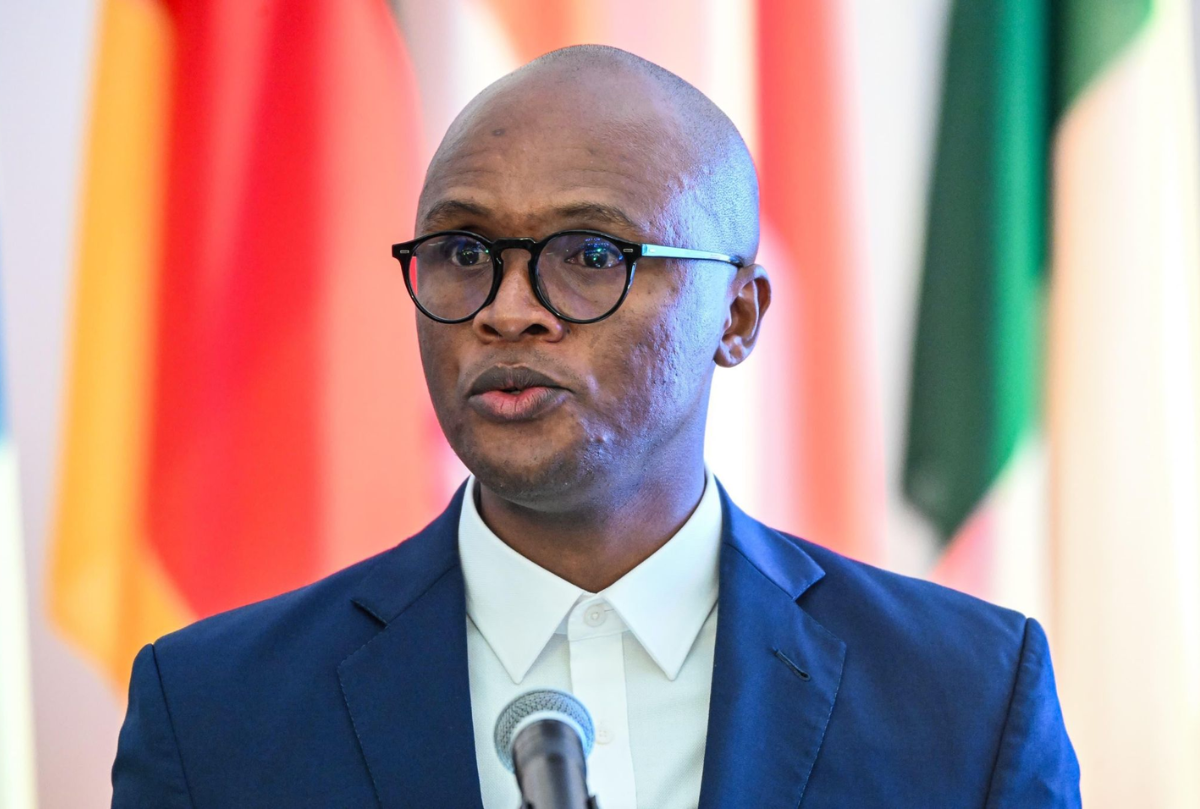
The Minister of Communications and Digital Technologies, Mr Solly Malatsi, tabled a departmental budget of R2.545 billion for the 2025/26 financial year during a debate on budget vote 30 on Friday morning, allocating R710 million to SA Connect programme over the medium-term expenditure framework.
SA Connect is a government flagship programme aimed at providing universal access to affordable, reliable and high-speed internet to all citizens.
The allocation of R710 million to the SA Connect programme appears to be in line with the vision of the Portfolio Committee on Communications and Digital Technologies where every South African, regardless of geographical location or socioeconomic status, has access to the tools, infrastructure and opportunities needed to thrive the digital age.
The lion’s share of the department’s budget will be spread across entities reporting to the department, including the Independent Communication Authority of South Africa, the Film and Publication Board, Universal Services and Access Agency of South Africa, the South African Broadcasting Corporation, the National Electronic Media Institute of South Africa and the South African Post Office.
Minister Malatsi said that digital access and inclusion gives people the tools to write their own future.
“Through this budget, it is our task to amplify our impact, ensuring that digital access and opportunity reaches every corner of South Africa.”
–Mr Solly Malatsi, The Minister of Communications and Digital Technologies, South Africa.
Similarly, the Chairperson of the Portfolio Committee on Communications and Digital Technologies, Ms Khusela Sangoni Diko, urged the department to provide clarity on spectrum policy, expand broadband access and roll out fibre networks in order to achieve universal connectivity for inclusive economic transformation.
“The digital economy must be a key pillar of inclusive growth. We need targeted investment in digital startups and a thriving startup ecosystem, funding for local innovation hubs, and policies to ensure that our people are not just consumers, but creators of technology.”
–Ms Khusela Sangoni Diko, Chairperson of the Portfolio Committee on Communications and Digital Technologies, South Africa.
The SA Connect programme was initiated after Cabinet’s approval of the national broadband policy in 2013. The policy was aimed at addressing the country’s vision in the National Development Plan of “a seamless information infrastructure by 2030 that will underpin a dynamic and connected vibrant information society and a knowledge economy that is more inclusive, equitable and prosperous.”
Meanwhile, the Deputy Minister of Communications and Digital Technologies, Mr Mondli Gungubele, said that access to digital connectivity, affordable gadgets and lower data costs alone will not result in the government’s desired outcome of universal meaningful connectivity if not backed by requisite skills.
“On focus, this financial year, we will include, among others, training of 30 000 government employees in digital literacy, cyber security awareness and artificial intelligence fluency.”
–Mr Mondli Gungubele, Deputy Minister of Communications and Digital Technologies, South Africa.
Lastly, Mr Gungubele said that the training will be done through strategic partnership between the Department of Communications and Digital Technologies, NEMISA, the National School of Government, Department of Public Service and Administration as well as industry players such as Microsoft and Google.