CRAN Explores LEO Satellites to Boost Connectivity Across Namibia
The move comes after CRAN previously ordered Starlink to cease operations in Namibia, citing a lack of the required telecommunications license.
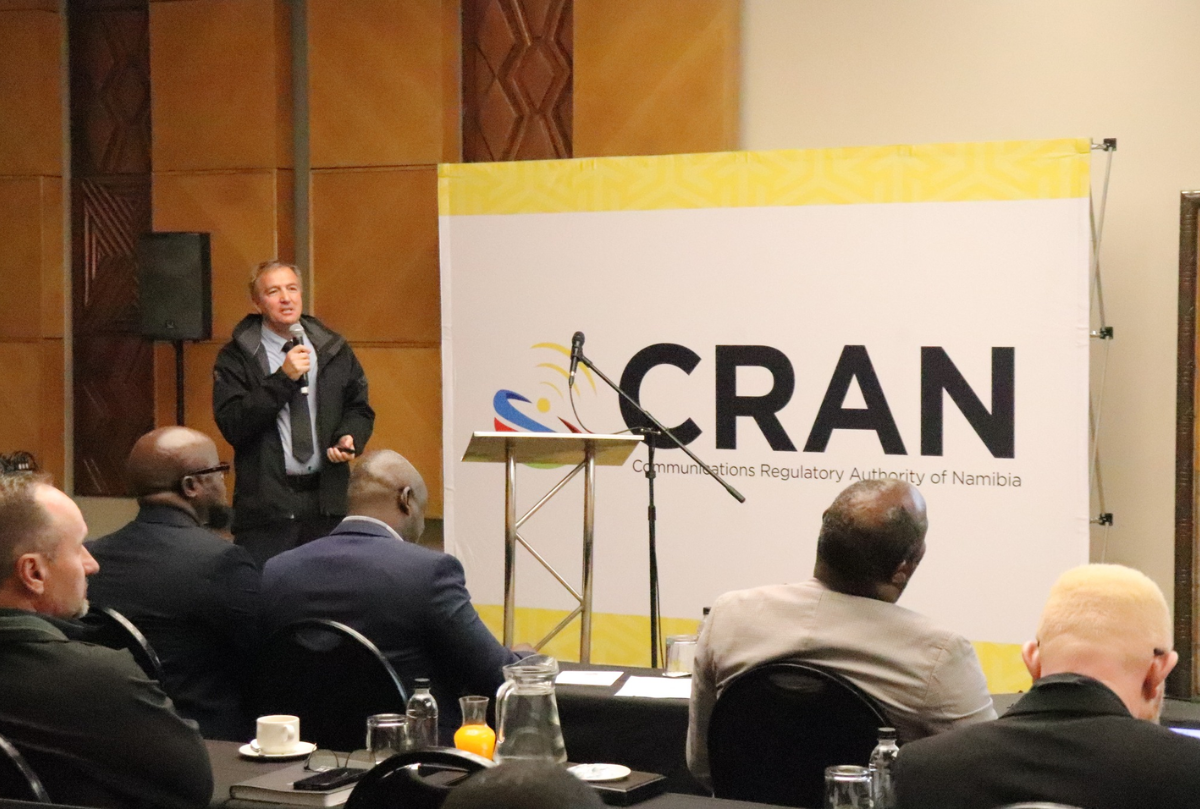
The Communications Regulatory Authority of Namibia (CRAN) has marked a significant step in the nation’s digital expansion with a public hearing on applications for mobile satellite spectrum. The hearing, held on August 22, 2025, focused on the use of Low Earth Orbit (LEO) satellite constellations, which are poised to provide faster, more widespread internet connectivity.
The public hearing provided a platform for stakeholders to discuss the benefits of LEO satellites, which orbit between 500 and 2,000 km above Earth. Companies like Starlink, OneWeb, IRIS2, and Amazon’s Kuiper are developing these constellations to offer reduced latency and real-time services, particularly in remote and underserved areas of Namibia.
CRAN stated that the hearing is part of a “collaborative, forward-thinking regulatory approach” aimed at fostering innovation while ensuring spectrum efficiency, minimizing interference, and promoting fair competition. The ultimate goal is to connect all of Namibia, ensuring that no citizen is left behind in the digital age.
The move comes after CRAN previously ordered Starlink to cease operations in Namibia, citing a lack of the required telecommunications license. This public hearing on spectrum applications signals the regulatory body’s progress in developing a framework for the legal operation of these services.