AI and EdTech Take Center Stage as Zambia Moves to Transform Education
As part of the government’s digital education strategy, Zamtel and ZICTA will deliver over 5,000 computers in 2025, while Zamtel also plans 1,200 network upgrades between 2025 and 2026.
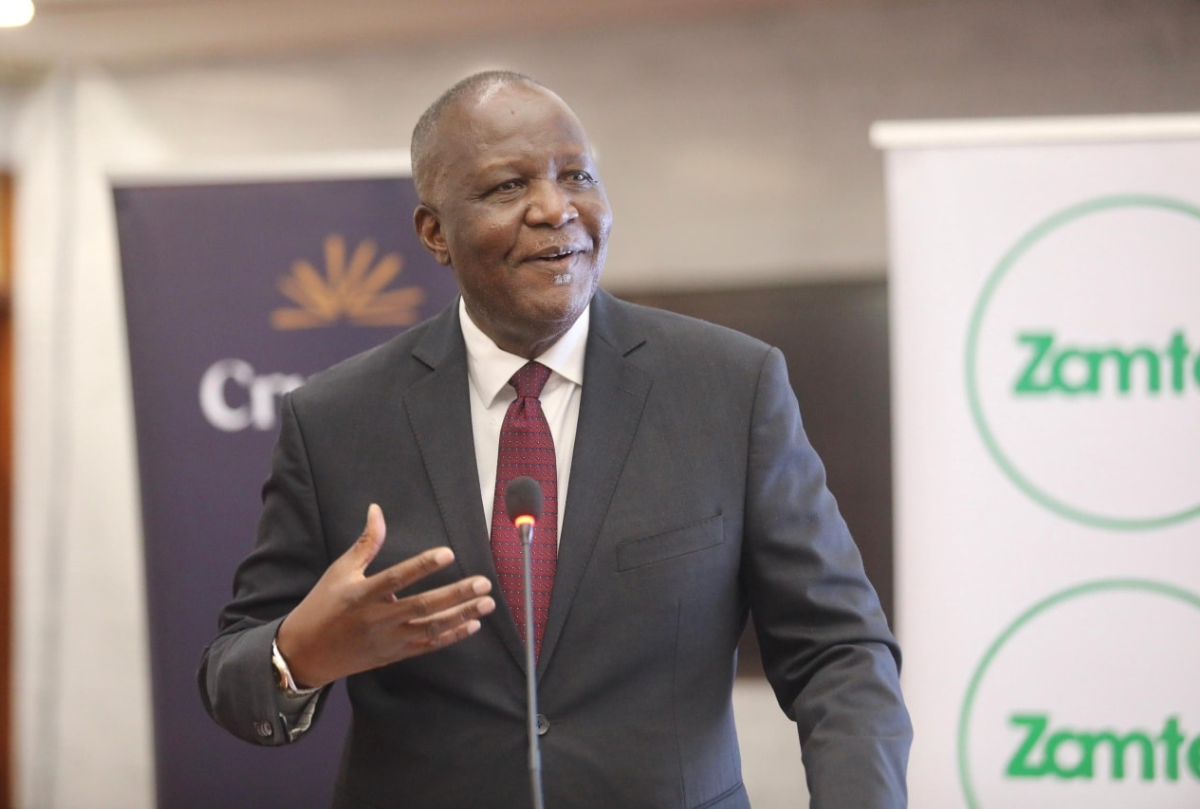
The Ministry of Technology and Science , in partnership with the Ministry of Education, convened the EdTech and AI Indaba on August 27, 2025, at the Mulungushi Conference Centre. The high-level forum brought together government, private sector, and development partners to chart the future of education in the digital age.
The event, co-hosted by Hon. Felix Mutati, Minister of Technology and Science, and Hon. Douglas Syakalima, Minister of Education, examined the long-term challenges facing Zambia’s education sector and the role of digital technologies and artificial intelligence (AI) in shaping solutions.
Hon. Mutati stressed that AI must remain a tool to support education rather than replace it.
“If used properly, it will deliver impactful results,” he said, highlighting AI’s potential to free teachers from administrative tasks, expand access to learning resources, and improve teaching effectiveness.”
-Hon. Felix Mutati, Minister of Technology and Science, Zambia
As part of the government’s digital education strategy, Zamtel and ZICTA will deliver over 5,000 computers in 2025, while Zamtel also plans 1,200 network upgrades between 2025 and 2026. With parallel coverage expansion by MTN and Airtel, Zambia is targeting 96% digital connectivity by 2026, a milestone expected to transform access to education nationwide.
Public–private partnerships were showcased as a critical driver of progress, with initiatives such as ICT hubs established in Itezhi-Tezhi, Chisamba, and Chongwe through collaborations with UNDP, Ecobank, and other partners. Hon. Mutati called for greater coordination to maximize resources and avoid duplication.
Hon. Syakalima emphasized the importance of inclusion in education, noting:
“It is better to bring two million children into school and later address delivery challenges, rather than leaving them on the streets.”
–Hon. Douglas Syakalima, Minister of Education, Zambia
Despite progress, challenges remain, including limited internet penetration in rural areas, where connectivity is only 50%, and low ICT capacity among teachers, with fewer than 40% possessing adequate digital skills.
Closing the Indaba, Hon. Mutati underscored three priorities for Zambia’s digital education agenda: digital equity, AI as a development accelerator, and strengthened partnerships.
“The most powerful tools we can use to change the world are Education, Knowledge, and Power. AI, when properly applied, can unlock these tools to drive national progress.”
-Hon. Felix Mutati, Minister of Technology and Science, Zambia