Vodafone Foundation and Devex Urge Urgent Action for Climate-Smart Technologies
Ultimately, the report concludes that while climate change is eroding digital development gains, it also offers an opportunity to reimagine digital ecosystems for resilience and equity.
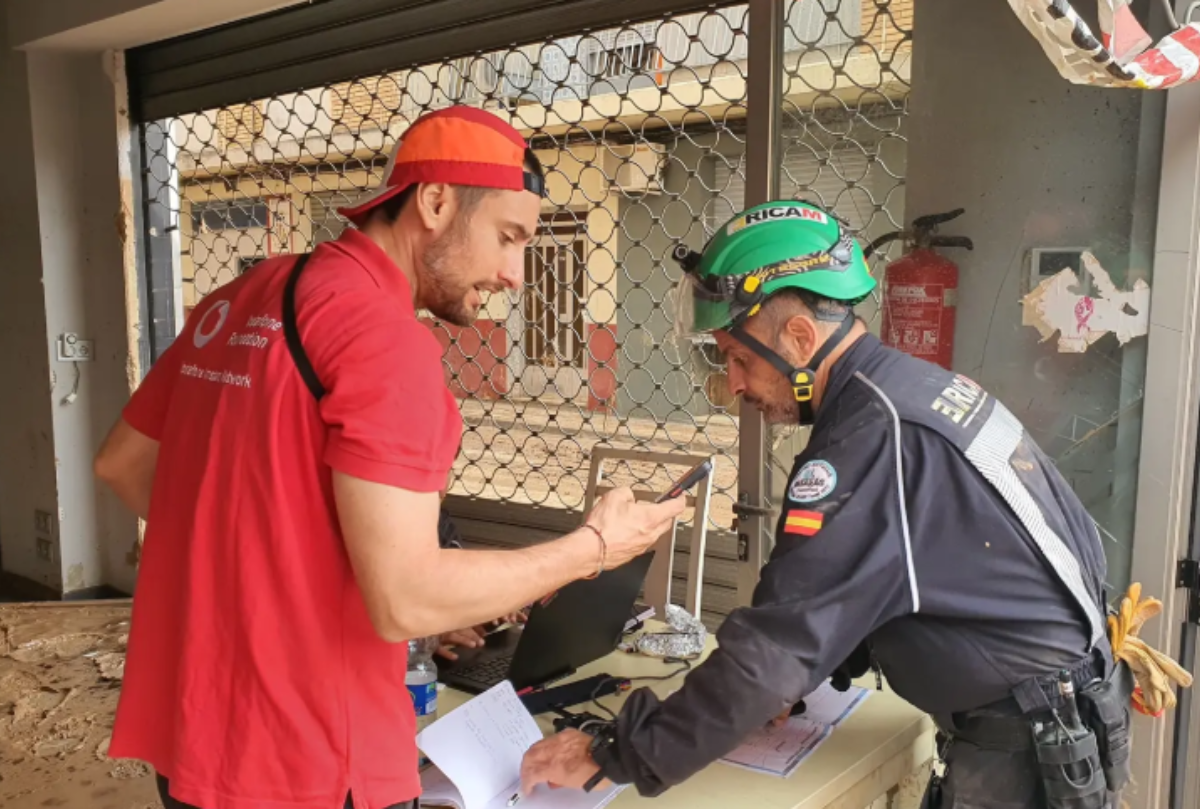
The latest report, Tech 1.5: Adapting Digital Development Solutions for a +1.5°C World, warns that climate change is increasingly undermining global development efforts. Rising temperatures, worsening disasters, and shifting weather patterns are eroding progress toward the Sustainable Development Goals (SDGs). Health systems are struggling with heat- and pollution-related illnesses, education is being disrupted by school closures and damaged infrastructure, and displacement from floods and storms has reached record highs.
Digital technologies have been central to advancing resilience through tools like mobile devices, e-learning platforms, AI-driven diagnostics, predictive modelling, and disaster alerts. However, the systems delivering these services are themselves increasingly vulnerable to climate shocks. The report notes that 88% of development professionals have seen the effectiveness of digital solutions decline due to climate-related disruptions.
The study draws on insights from 1,132 international development professionals and expert interviews across health, education, and disaster resilience. Findings reveal that while 95% agree digital tools help mitigate climate impacts, only 20% believe current solutions are adequately adapted. Ninety percent of respondents call for greater investment in climate-resilient technologies, and 81% cite weak collaboration as a major barrier. Top risks include infrastructure damage (69%), connectivity loss (65%), supply chain breakdowns (55%), and population displacement (55%). To counter these, respondents highlight the importance of features like low-energy use, offline functionality, localized infrastructure, cloud-based backup, and AI-driven analytics.
The report introduces the Tech 1.5 framework, identifying four key challenges that must be addressed. The first is expanding inclusive and resilient infrastructure, with the International Telecommunication Union estimating a $1.6 trillion investment gap globally. Examples like UNICEF and ITU’s Giga Initiative and Vodafone’s Instant Network Schools illustrate how solar power, mapping tools, and satellite connectivity can keep communities connected.
The second challenge is designing digital tools that are adapted to local realities. Too often, technologies fail in climate-vulnerable contexts. Solutions must integrate climate-smart features such as thermal-resistant batteries, waterproofing, modular components, and AI-powered forecasting. Microsoft’s Aurora AI model and Google’s AI-driven diagnostics showcase how adaptive design can enhance resilience.
The third challenge centers on empowering communities with digital and climate literacy. Limited skills, especially among women, youth, and marginalized groups, hinder uptake. Initiatives like the ITU-Cisco Digital Transformation Centres are working to close this gap, enabling communities to become co-creators of solutions and ensuring technologies align with local needs.
The fourth challenge is fostering collaboration and innovation. Fragmented approaches among governments, donors, companies, and communities slow progress. The report calls for open systems, interoperable technologies, and innovative financing—including models like Humanity Insured, which provides satellite-enabled insurance for climate-vulnerable communities—to build stronger, climate-smart digital ecosystems.
In its blueprint for action, the report urges stakeholders to invest in resilient infrastructure, design adaptable low-energy tools, build community skills, and unlock cross-sector collaboration and financing to scale innovation. Vodafone Foundation’s Managing Director, Lisa Felton, described the findings as both a “reality check and a route map,” calling for urgent co-investment in solutions that will not fail when communities need them most.
Ultimately, the report concludes that while climate change is eroding digital development gains, it also offers an opportunity to reimagine digital ecosystems for resilience and equity. With smarter design, stronger partnerships, and scaled investment, digital tools can continue to be accelerators of development while becoming indispensable enablers of climate adaptation in a +1.5°C world.