AfDB Approves $73.31 Million to Strengthen Kenya’s Higher Education and Innovation Ecosystem
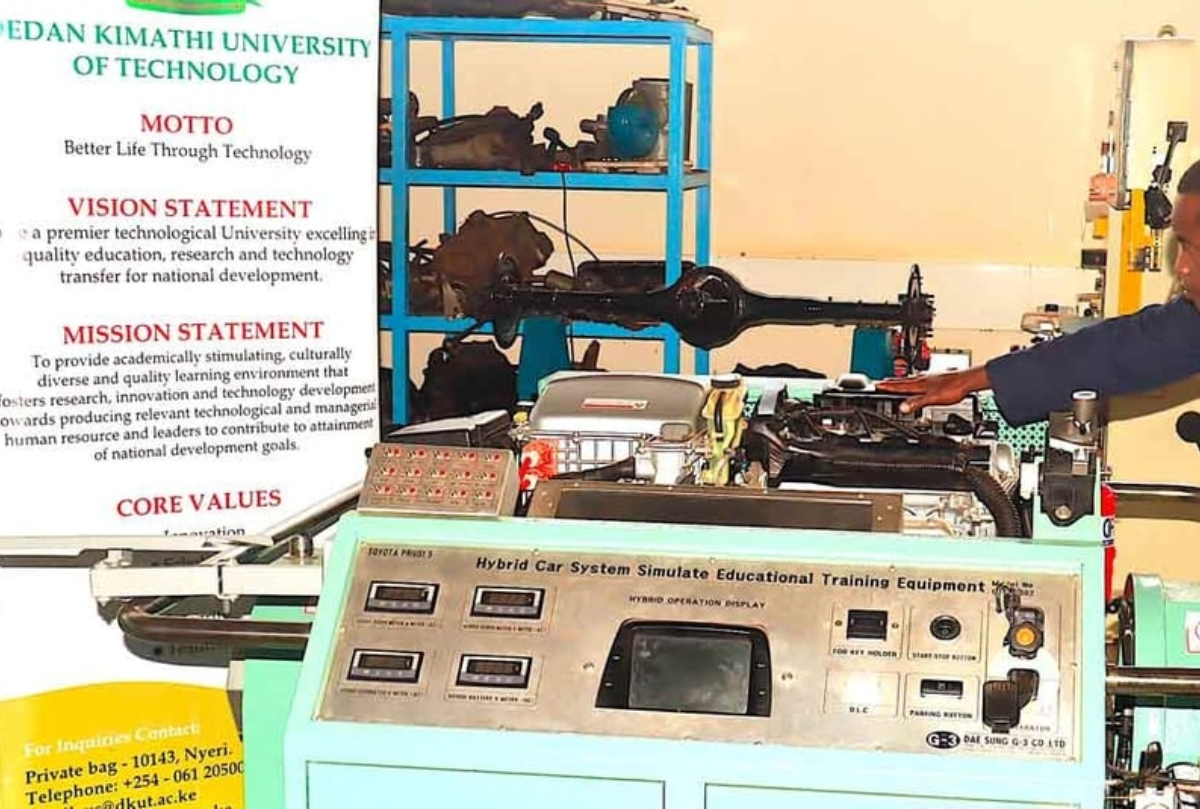
Under the second phase of the Support to Higher Education, Science and Technology Project – (HEST II), the funding will support the upgrade of 19 public universities with modern laboratories, teaching equipment and digital learning facilities.
The Board of Directors of the African Development Fund, the African Development Bank Group’s concessional lending arm, has approved a loan of $73.31 million to strengthen science and technology education at the tertiary level.
Under the second phase of the Support to Higher Education, Science and Technology Project – (HEST II), the funding will support the upgrade of 19 public universities with modern laboratories, teaching equipment and digital learning facilities. The financing will also be used to establish three centres of excellence in engineering, as well as a science and technology park that will enable students and researchers to turn ideas into business and industry solutions.
The project will fund scholarships for 103 university lecturers, retrain staff to match new technology needs and deploy a competency-based education curriculum, and support youth entrepreneurship through training and mentorship. More than 100 youth-led start-ups will receive support through new incubation hubs, giving young innovators space to grow their ideas into enterprises.
“For many, education remains the surest path to a better life. We’re helping Kenya’s young people gain the skills that employers need today — and the confidence to create their own jobs tomorrow.”
– Hendrina Doroba, Division Manager for Education and Skills Development, African Development Bank Group
By 2030, HEST II is expected to reach over 20,000 students, including 8,000 young women, and create around 5,000 direct and indirect jobs. It builds on the success of the first phase, which upgraded the facilities of eight universities and improved engineering programmes across the country. The second phase extends that progress, ensuring every region benefits from a stronger, fairer, and better-connected higher education system.