Mozambique Prioritizes Data Governance as Cornerstone of Digital Sovereignty
The workshop marks a key milestone in Mozambique’s pursuit of digital sovereignty.
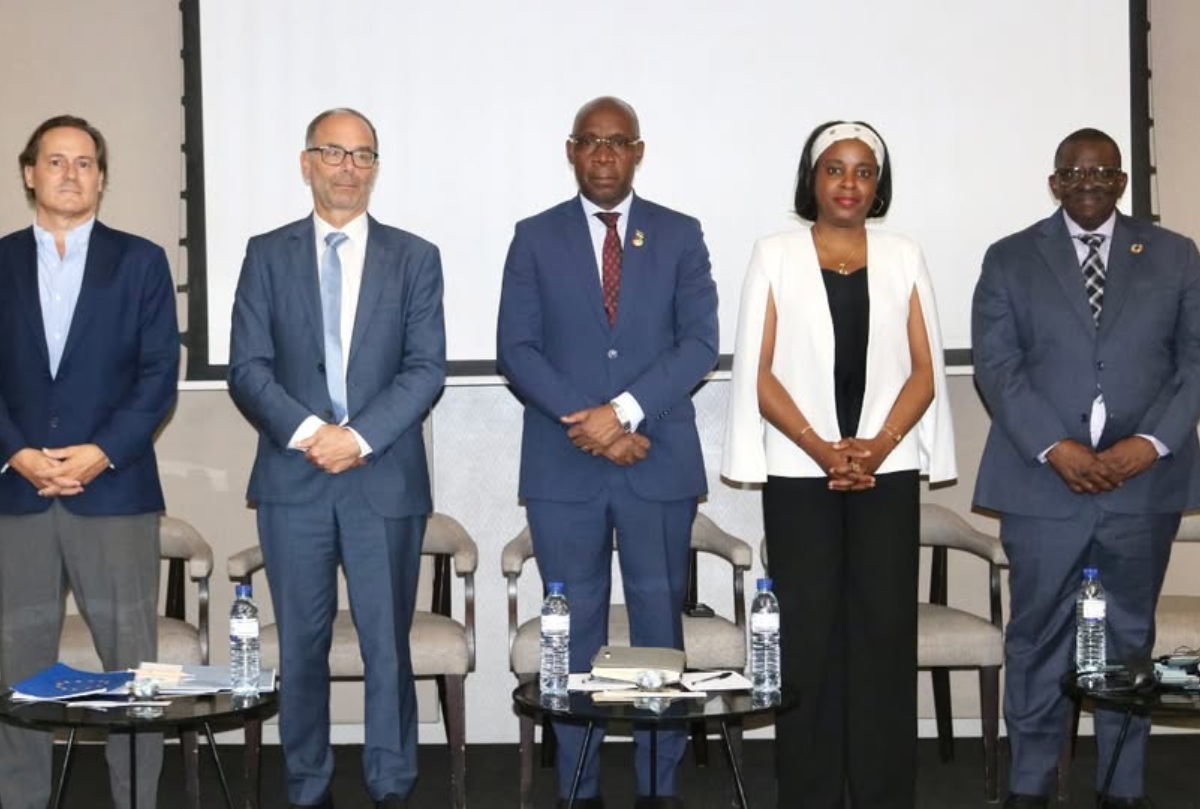
Mozambique’s Ministry of Communications and Digital Transformation (MCTD) has declared data governance a core constitutional priority in the country’s digital transformation agenda. The position was outlined during the opening of a workshop in Maputo to validate the proposed National Data Governance Policy, Strategy and Action Plan. The event, organized by the ministry through the National Institute of Information and Communication Technology (INTIC), marks a major step toward establishing a regulatory framework that treats data as a strategic national asset aligned with the constitution and African Union (AU) standards.
Speaking on behalf of the Minister, INTIC Chairman Lourino Chemane highlighted the critical role of data governance in ensuring transparency, innovation, administrative efficiency and the development of a modern and inclusive digital economy. He noted that Mozambique has made significant progress in digital transformation, including a thorough review of the Electronic Government Systems Interoperability Regulation, which sets clear standards for integrating and managing public information systems.
Chemane emphasized that the proposed policy is fully aligned with the African Union Data Policy Framework adopted in 2022. This alignment positions Mozambique as a leading player in Africa’s digital integration efforts and ensures that digitalization advances ethically, inclusively and effectively. He added that the policy is integrated into the Five-Year Government Program (2025–2029) and was developed through a participatory process involving public consultations, workshops and engagement with stakeholders across the data ecosystem.
He also acknowledged the importance of international support, thanking partners such as the European Union, GIZ, AUDA-NEPAD and the UN Economic Commission for Africa (UNECA) for their input in shaping the policy and strategy. According to Chemane, building strong data governance requires collaboration between government, private sector, civil society, academia and global partners to ensure responsible, secure and inclusive digitalization, improved interoperability and stronger personal data protection.
International partners echoed the importance of the initiative. UNECA’s Director for Technology, Innovation and Digital Transformation, Mactar Seck, stressed that sound data governance is essential for strengthening trust, enhancing public services and protecting citizens’ privacy. Germany’s Ambassador to Mozambique, Ronald Munch, said the policy will reinforce data sovereignty and government efficiency, referencing the €60 million “Data Governance in Africa” program as a sign of strong international commitment.
The workshop marks a key milestone in Mozambique’s pursuit of digital sovereignty. By elevating data governance to a constitutional priority aligned with AU frameworks, the country is laying the foundation for an ethical, secure and citizen-centred digital transformation. With sustained international backing, Mozambique aims to establish itself as a regional leader in strong and responsible data management.