Huawei and Close the Gap Bring Digital Skills to Remote Communities in Kenya
The initiative features a mobile, solar-powered classroom called DigiTruck, a converted shipping container on wheels equipped with 20 laptops, 20 VR headsets, and built-in Wi-Fi.
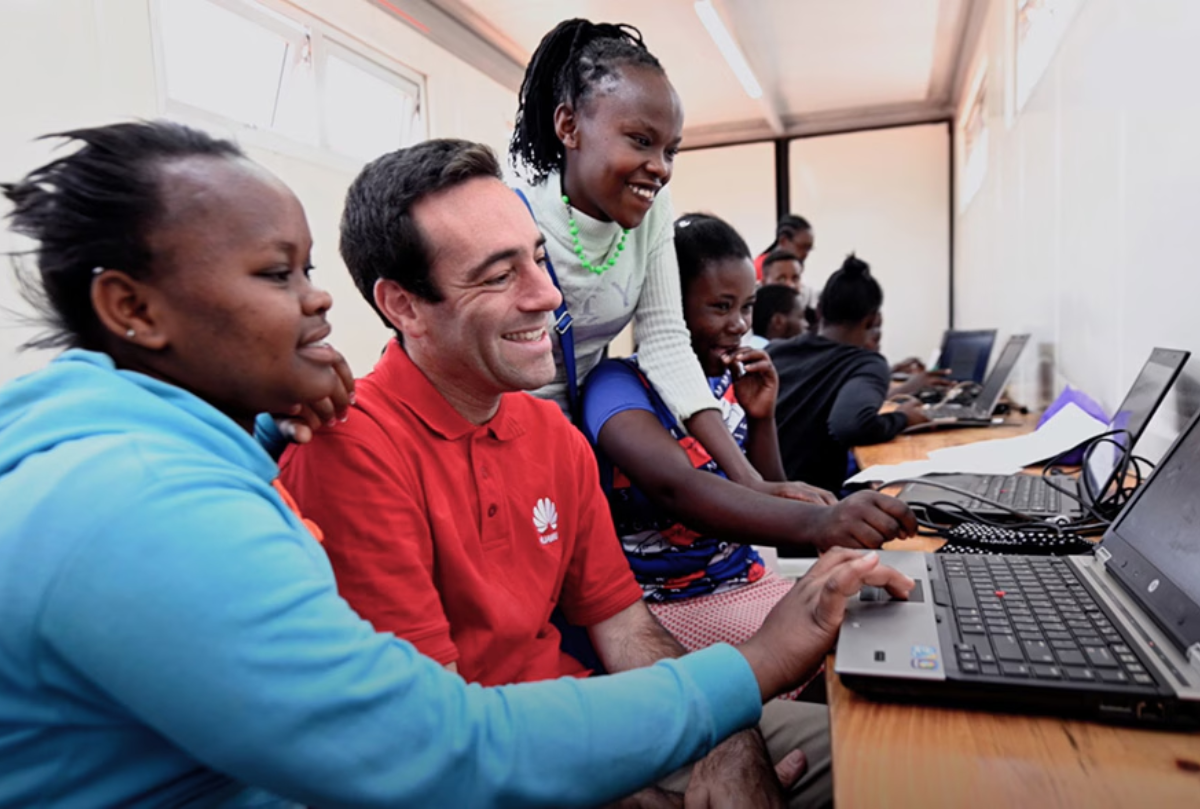
In Nandi, a remote region in Kenya surrounded by hills and dominated by family-run farms, access to the internet and digital tools remains extremely limited. Many locals have never experienced online connectivity, making it challenging for residents to gain essential digital skills. Recognizing the barriers, Huawei and the Belgian NGO Close the Gap have introduced an innovative solution to reach underserved communities.
The initiative features a mobile, solar-powered classroom called DigiTruck, a converted shipping container on wheels equipped with 20 laptops, 20 VR headsets, and built-in Wi-Fi. The truck travels to remote areas, providing free digital classes, resources, and materials to communities that conventional classrooms cannot reach. Courses can run for up to a month, offering participants hands-on training designed to bridge the digital literacy gap.
Since its launch in October 2019, the DigiTruck in Kenya has delivered over 40,000 hours of digital training and benefited more than 1,500 rural teachers, young people, and entrepreneurs. Students have reported acquiring critical skills that help them pursue career opportunities, start businesses, and support their communities.
This program is part of a broader effort by Close the Gap, which has deployed six DigiTrucks across four African countries—Kenya, South Africa, the Democratic Republic of Congo, and Tanzania—with Huawei’s truck representing the seventh. By combining connectivity and digital education, the initiative aims to empower rural populations, reduce digital poverty, and ensure that even the most remote communities can participate in the digital economy.
The project reflects a collaborative approach to digital inclusion, emphasizing the principle that collective efforts can achieve sustainable progress, especially for those historically left behind in technology access.