Zambia Injects K100 Million to Modernise Railways and Boost Economy
Rail infrastructure is central to Zambia’s economic strategy, as outlined in the Eighth National Development Plan and the 2026 National Budget, which prioritise integrated transport for economic transformation, job creation, and export competitiveness.
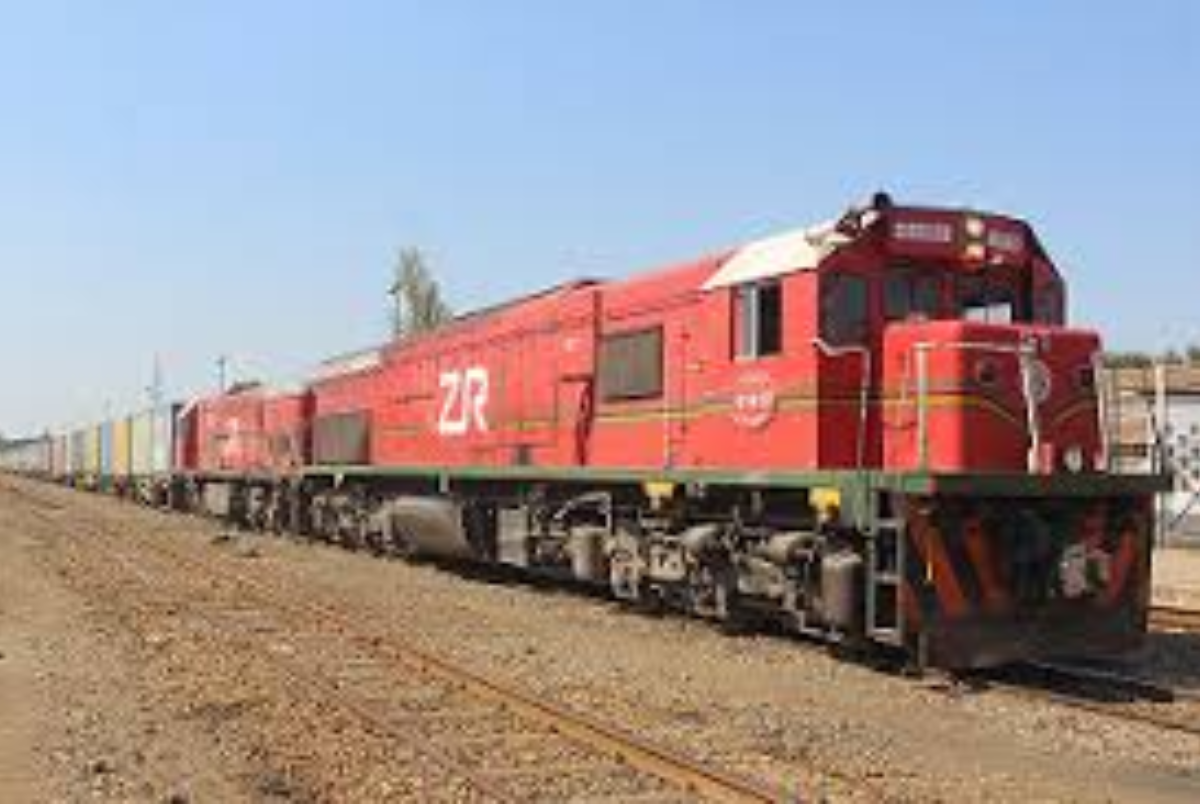
The Zambian government has released K100 million to Zambia Railways Limited (ZRL) as part of a major recapitalisation and rehabilitation initiative aimed at modernising the national rail network. The funding is intended to tackle long-standing transport and logistics challenges that have constrained economic growth, particularly in bulk cargo movement.
This domestic funding complements over €50 million from the European Union’s Railway Sector Support Programme, which targets the rehabilitation of tracks and the modernisation of signalling and telecommunications on key sections of the main line. Together, these investments aim to transform Zambia Railways from survival mode to a modern, efficient, and commercially viable rail system.
Rail infrastructure is central to Zambia’s economic strategy, as outlined in the Eighth National Development Plan and the 2026 National Budget, which prioritise integrated transport for economic transformation, job creation, and export competitiveness. Rail remains the most cost-effective means for moving bulk cargo, reducing road congestion, lowering logistics costs for farmers and businesses, and supporting Zambia’s climate commitments by cutting carbon emissions.
For years, ZRL has faced challenges including ageing locomotives and wagons, outdated passenger coaches, obsolete signalling systems, and dilapidated track infrastructure, which have affected reliability, safety, and freight efficiency. The recapitalisation will allow ZRL to renew rolling stock, restore critical sections of track, modernise signalling and telecommunications, and upgrade passenger services to meet commercial and safety standards.
The initiative is expected to have widespread benefits across the country. On the Copperbelt, improved rail services will lower costs for transporting minerals such as copper to regional ports, complementing corridors like Lobito and routes to the Indian Ocean. In key agricultural districts, reliable rail will support sugar, maize, livestock, and horticulture value chains, providing predictable and cost-effective transport for agribusinesses. Industrial centres including Ndola, Kitwe, Kabwe, Lusaka, and Kafue will also benefit from improved connectivity, enhancing competitiveness in regional and international markets.
The tourism and trade hub of Livingstone will gain from upgraded passenger and freight services, strengthening its role in cross-border trade and tourism. Additionally, the recapitalisation will position Zambia strategically on regional corridors, linking trade with Zimbabwe, Botswana, Namibia, and South Africa, while also supporting east–west routes via the Lobito Corridor for minerals and manufactured goods.
Beyond infrastructure, the project will create opportunities for jobs, enterprise, and inclusive growth. Revitalised stations and railway sidings are expected to host logistics firms, warehousing, cold-chain facilities, and light manufacturing. Local contractors will participate in track works, civil engineering, maintenance, and station rehabilitation, generating local employment.
The Ministry of Transport and Logistics will oversee the implementation with strong governance, commercial discipline, and performance benchmarks, ensuring that services are reliable, customer-focused, and attract private-sector investment through public-private partnerships where appropriate.
The recapitalisation aims to turn Zambia Railways into a modern logistics backbone that supports inclusive growth along the line of rail, lowers the cost of doing business, opens up new markets, and positions Zambia as a land-linked, competitive transit hub in Southern and Central Africa.