Cameroon Pioneers Digital Birth Certificates to Improve Access and Protect Rights
The digital system simplified the process, eliminating delays, reducing the risk of lost documents, and removing associated costs, providing children with a legal identity from birth.
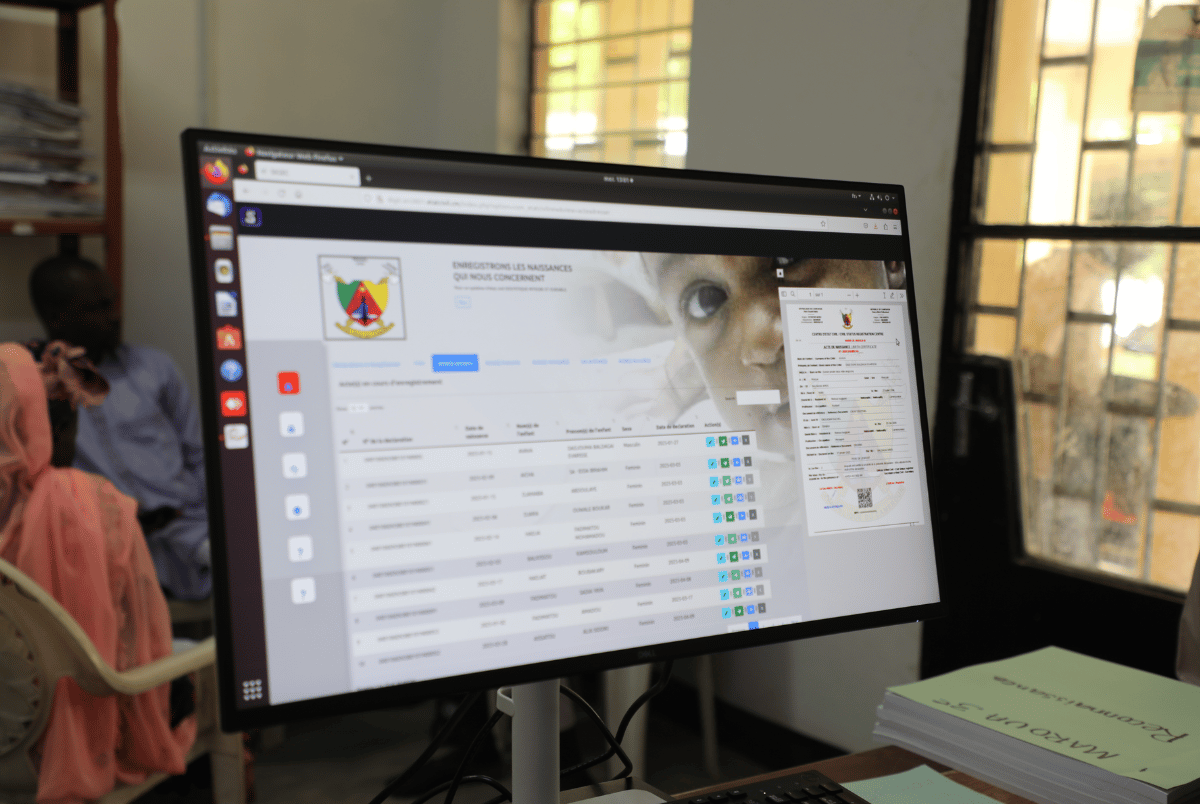
On 7th January 2026, Alain Njoku, a young parent, received his child’s birth certificate at Limbe I Council, marking the first civil certificate issued through a fully digitalized civil registration system in the North-West and South-West Regions of Cameroon. The digital system simplified the process, eliminating delays, reducing the risk of lost documents, and removing associated costs, providing children with a legal identity from birth.
Legal identity is crucial for accessing education, healthcare, social services, and legal protection. Without it, children risk exclusion long before they can participate fully in society.
Limbe I Council is one of ten municipalities benefiting from the “Contributing to Social Cohesion Efforts in the Far-North, North-West, and South-West Regions” project, implemented by the United Nations Development Programme (UNDP) Cameroon with funding from Denmark. The project covers municipalities including Maroua III, Koza, Mindif, Méri, Mora, Limbe I, Buea City Council, Tiko, Bamenda III, and Bamenda City Council.
The project aims to improve access to legal identity for youth, women, and vulnerable groups by upgrading infrastructure and digitalizing civil status documentation. Essential records such as birth, marriage, and death certificates can now be securely issued, stored, and retrieved. In regions affected by crisis and displacement, this digital transformation is particularly important for protecting citizens’ rights while ensuring access to essential services.
In Limbe I, support included improved facilities, modern equipment, staff training, and the full digitalization of civil registration services. The new system has significantly reduced the workload for council staff, shortened delivery times, and ensured more secure archiving compared to the manual system previously used.
Technical support for the digitalization process has been provided by BUNEC, which has ensured that the systems are functional, secure, and adapted to the realities of local councils. The transformation strengthens institutions, secures civil records, and improves councils’ ability to serve their communities over time.
Beyond Limbe I, the project also facilitates the issuance of birth certificates for vulnerable young girls across the target regions, reducing the risk of exclusion caused by poverty, displacement, or insecurity. Access to legal identity provides a foundation for participation, protection, and opportunity, particularly for youth and women.