Saudi Arabia’s Cashless Journey Accelerates: Digital Payments Now Reach 80% Milestone
Visa’s Senior Vice President and Group Country Manager for Saudi Arabia, Bahrain, and Oman, Ali Bailoun, noted that the progress is the result of coordinated efforts between banks, fintechs, merchants, and technology partners in line with the Kingdom’s Vision 2030.
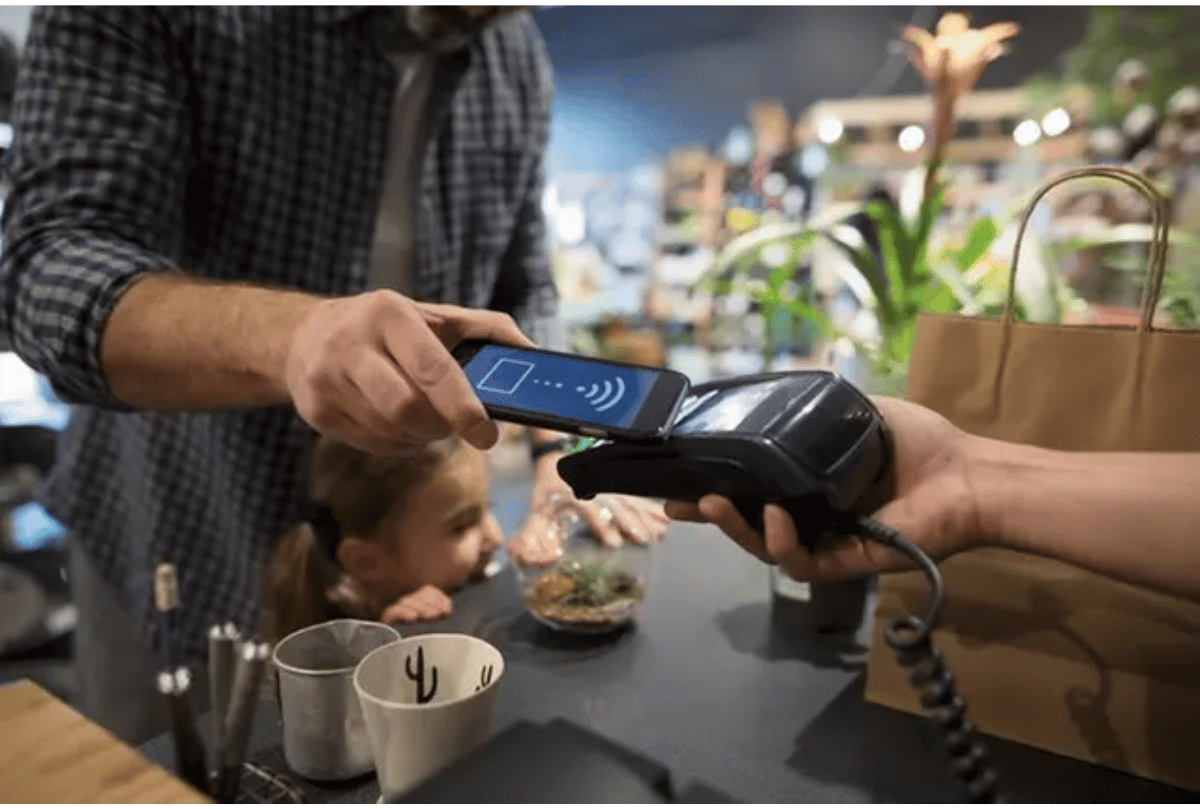
Digital payments continue to reshape how consumers in Saudi Arabia choose to pay, with increasing numbers embracing faster, more secure digital experiences. According to Visa’s third edition of the “Where Cash Hides” report, 67% of Saudi consumers are largely non-cash users, relying primarily on payment cards or mobile devices for most transactions. This represents a 4% increase compared to the previous year, underscoring a clear shift away from cash.
The appeal of cash is declining across everyday purchases, with nearly one in four consumers still using it for daily spending. Categories that have historically relied on cash are seeing notable reductions, including eating out (-9%) and bill payments (-8%). For routine transactions such as dining, bill settlements, and in-store groceries, cash and mobile payments are increasingly becoming the preferred methods.
Cash usage remains most common in peer-to-peer transactions. Tips are still paid in cash by 39% of consumers, followed by 28% of personal transfers to family and friends and 14% of property rent payments. These “cash-heavy” areas highlight the remaining opportunities for digital adoption.
Visa’s Senior Vice President and Group Country Manager for Saudi Arabia, Bahrain, and Oman, Ali Bailoun, noted that the progress is the result of coordinated efforts between banks, fintechs, merchants, and technology partners in line with the Kingdom’s Vision 2030. As consumers increasingly experience mobile and card payments, they seek payment options that are quick, convenient, and secure, which naturally drives digital adoption.
The report emphasizes that digital payments offer significant advantages over cash. Debit and credit cards provide security, convenience, and transparency, eliminating the risks of carrying physical money and allowing seamless online and in-store transactions with instant records for budgeting. Mobile payments further enhance convenience and security through tokenization, which replaces sensitive card details with unique digital identifiers, ensuring that card numbers are never shared.
In addition, credit cards offer rewards programs, cashback, and travel or lifestyle benefits, which appeal to consumers both locally and abroad. These factors have contributed to Saudi consumers’ growing reliance on digital payments, marking a steady step toward a cashless economy.