Egypt Launches Startup Charter to Accelerate Innovation and Economic Growth
The initiative aligns with directives to strengthen support for startups as a driver of economic development.
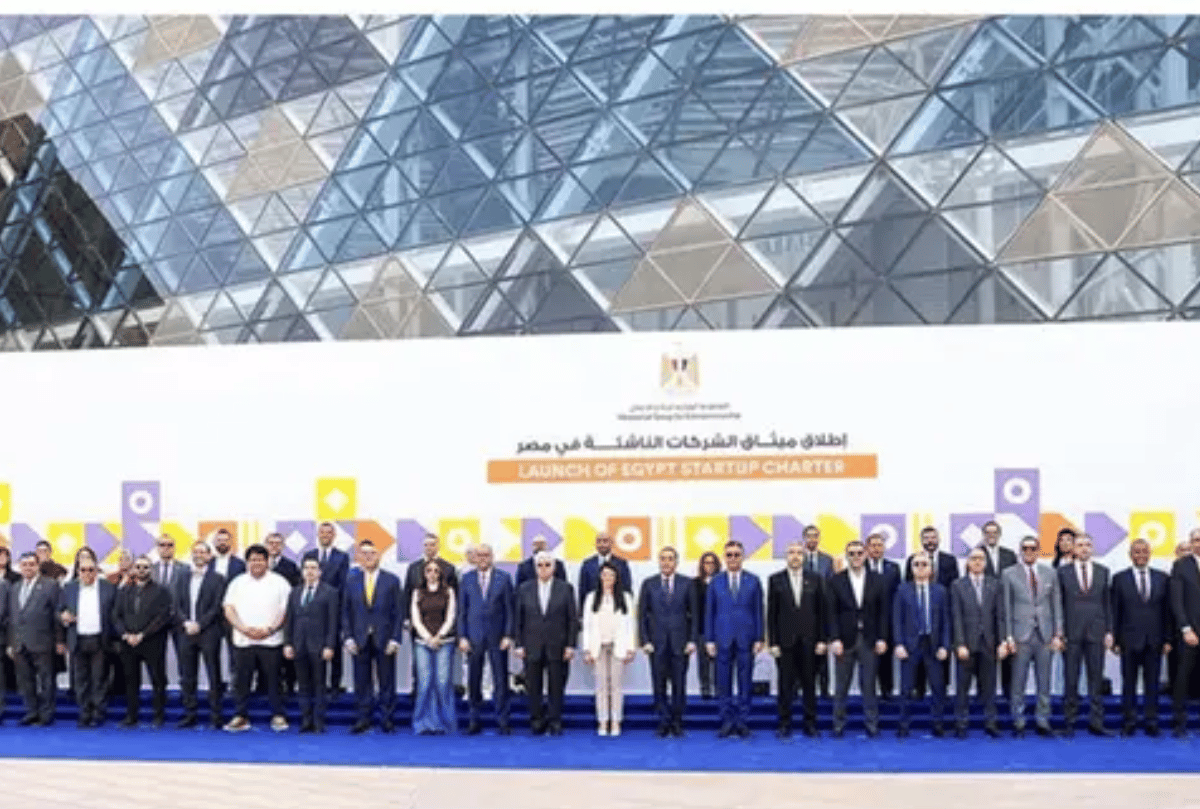
The Government of Egypt has officially launched “Egypt’s Startup Charter,” marking a major shift in the country’s approach to supporting startups, entrepreneurs, and innovators. The Charter is the result of more than a year of consultations involving 15 national entities and over 250 representatives from the startup community, venture capital sector, and parliamentary councils, under the Ministerial Group for Entrepreneurship.
The launch event took place alongside the 13th annual RiseUp Summit for Startups, in the presence of Prime Minister Dr. Mostafa Madbouly, Dr. Rania Al-Mashat, Minister of Planning, Economic Development and International Cooperation and Chair of the Ministerial Group for Entrepreneurship, and other government officials and ecosystem stakeholders. The initiative aligns with directives to strengthen support for startups as a driver of economic development.
Strategic Roadmap for Growth
The Charter sets out a five-year roadmap aimed at strengthening the entrepreneurship ecosystem, enabling up to 5,000 startups, and contributing to the creation of approximately 500,000 direct and indirect jobs. It seeks to achieve sustainable economic growth based on competitiveness, knowledge, and innovation, while also accelerating startups’ expansion into international markets and encouraging venture capital investment.
A key milestone is the issuance of Egypt’s first officially approved definition of startups, describing them as newly established companies characterized by rapid growth, flexibility, and innovation. This classification allows eligible startups to benefit from incentives and facilitation measures through official certification.
Financing and Investment Mobilization
The Charter introduces a unified financing initiative designed to coordinate government funding resources and activate financial guarantees and co-investment mechanisms. The goal is to mobilize $1 billion in startup financing over five years, leveraging public resources alongside venture capital and private-sector investment. A dedicated scale-up empowerment program will also support high-growth startups in attracting major international investments, pursuing stock market listings or strategic exits, and expanding regionally and globally, with the aim of fostering billion-dollar companies.
Improving the Business Environment
To streamline operations for startups, the Charter includes a unified startup guide covering all government services, permits, licenses, fees, and procedures. This measure aims to reduce regulatory complexity, improve compliance, and accelerate market entry and growth. Structural reforms are also planned to enhance the business climate in the short and medium term, including tax procedure facilitation, easier liquidation and exit processes, and sector-specific regulatory reviews.
Governance and Monitoring
An Entrepreneurship Policy Observatory will be established to collect and analyze data, monitor implementation, and measure progress. The Observatory will issue periodic reports and include participation from the entrepreneurship community, as well as a Council of Elders to ensure oversight and continuous policy refinement.
Officials emphasized that the Charter is a practical and evolving framework rather than a static document, designed to adapt to technological developments and market needs. By coordinating policies, expanding financing, and improving regulatory clarity, Egypt aims to position startups as a central pillar of national economic growth, innovation, and job creation.