CBN and NCC Move to End Failed Airtime and Data Transactions
By introducing clearer accountability structures and standardized timelines for resolution, both regulators aim to rebuild consumer confidence in Nigeria’s digital payments and telecom services landscape.
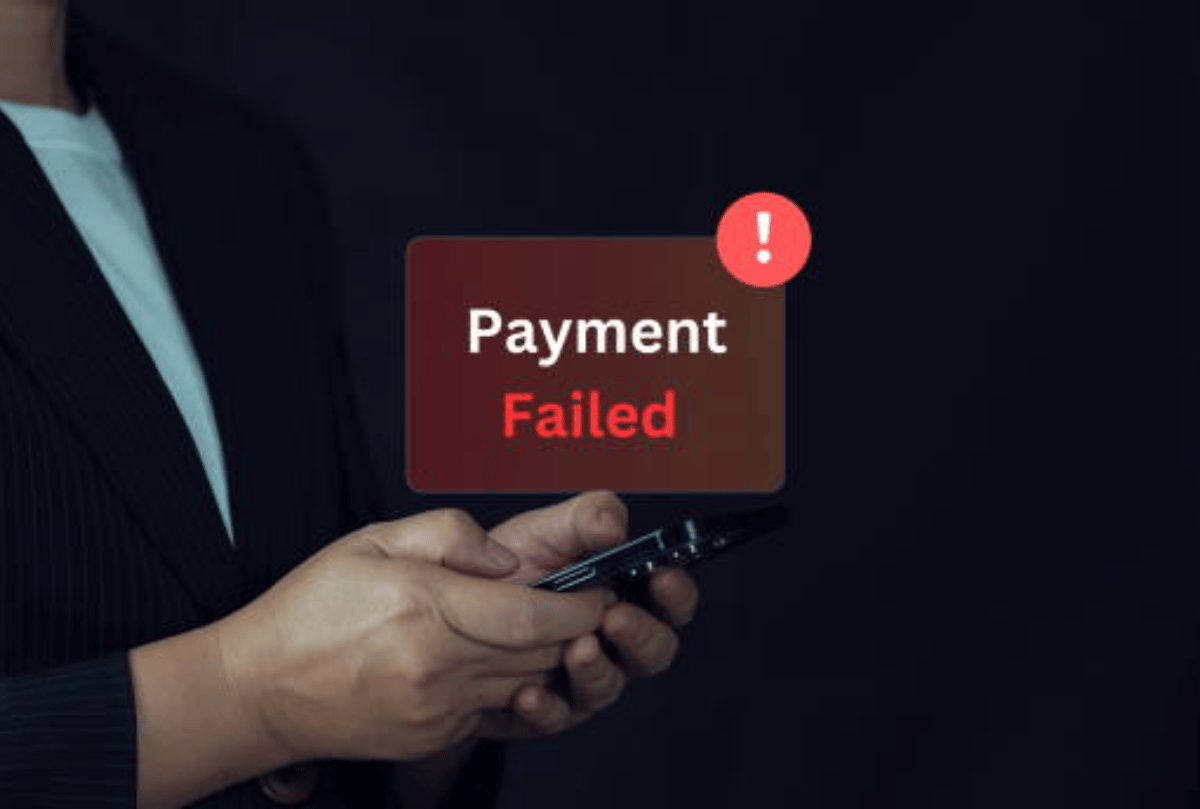
The Central Bank of Nigeria (CBN) and the Nigerian Communications Commission (NCC) have jointly issued an exposure draft framework designed to tackle the persistent issue of failed airtime and data purchase transactions. The proposed framework responds to a widespread consumer complaint — accounts being debited without delivery of the purchased service. By introducing clearer accountability structures and standardized timelines for resolution, both regulators aim to rebuild consumer confidence in Nigeria’s digital payments and telecom services landscape.
At the heart of the proposal is the standardization of resolution processes through a unified Service Level Agreement (SLA). The draft mandates near-instant remediation for most failed transactions. Where a failure occurs at the level of a bank, mobile network operator (MNO), or NCC-authorized licensee, refunds are expected to be processed automatically — ideally within 30 seconds. To enforce compliance, the CBN and NCC plan to deploy a central monitoring dashboard that will track reversals, SLA violations, and customer complaints in real time.
The framework also addresses technical causes behind transaction failures, including system visibility gaps and integration issues between platforms. It introduces new operational requirements for industry players. MNOs must validate numbers against the ported number database before processing recharges to prevent credits being routed to the wrong network. NCC-authorized licensees are required to maintain a minimum of seven days’ transaction stock to avoid service disruptions due to inventory shortages. In addition, systems must generate clear, customized error messages for invalid numbers or unavailable products instead of leaving transactions pending.
Specific procedures are outlined for resolving erroneous recharges, such as sending airtime or data to the wrong number or for the wrong amount. For mistaken transactions above ₦20,000, customers must provide an Affidavit of Indemnity before recovery can proceed. For amounts between ₦1,000 and ₦20,000, the MNO must first obtain the recipient’s consent before reversing the credit. Any dispute between service providers that remains unresolved for more than five working days must be escalated to the regulators for intervention.
The CBN has opened the draft for public consultation, inviting feedback from banks, payment service providers, telecom operators, and consumers. Stakeholders are expected to submit their comments to the Consumer Protection and Financial Inclusion Department by February 20, 2026, ahead of finalization of the framework.