Vodafone Partners with Amazon Leo to Expand 4G and 5G Coverage Across Africa and Beyond
Under the new agreement, Vodafone will use Amazon Leo to connect geographically dispersed mobile base stations back to its core telecom networks in Germany and other European countries.
Vodafone and Amazon Leo, Amazon’s low Earth orbit satellite broadband network, have signed an agreement to connect many more 4G and 5G mobile sites in remote areas to improve coverage for customers with limited connectivity across Europe and Africa.
With Amazon Leo, Vodafone can deploy 4G and 5G base stations more easily and affordably in previously unserved areas, without the time and expense of installing long fibre-based or fixed wireless links back to the core network. This is especially relevant in rural hard-to-reach areas. Vodafone will also use the service to boost network resilience for emergency and critical online services if fibre links connecting mobile masts are broken or impacted by flooding.
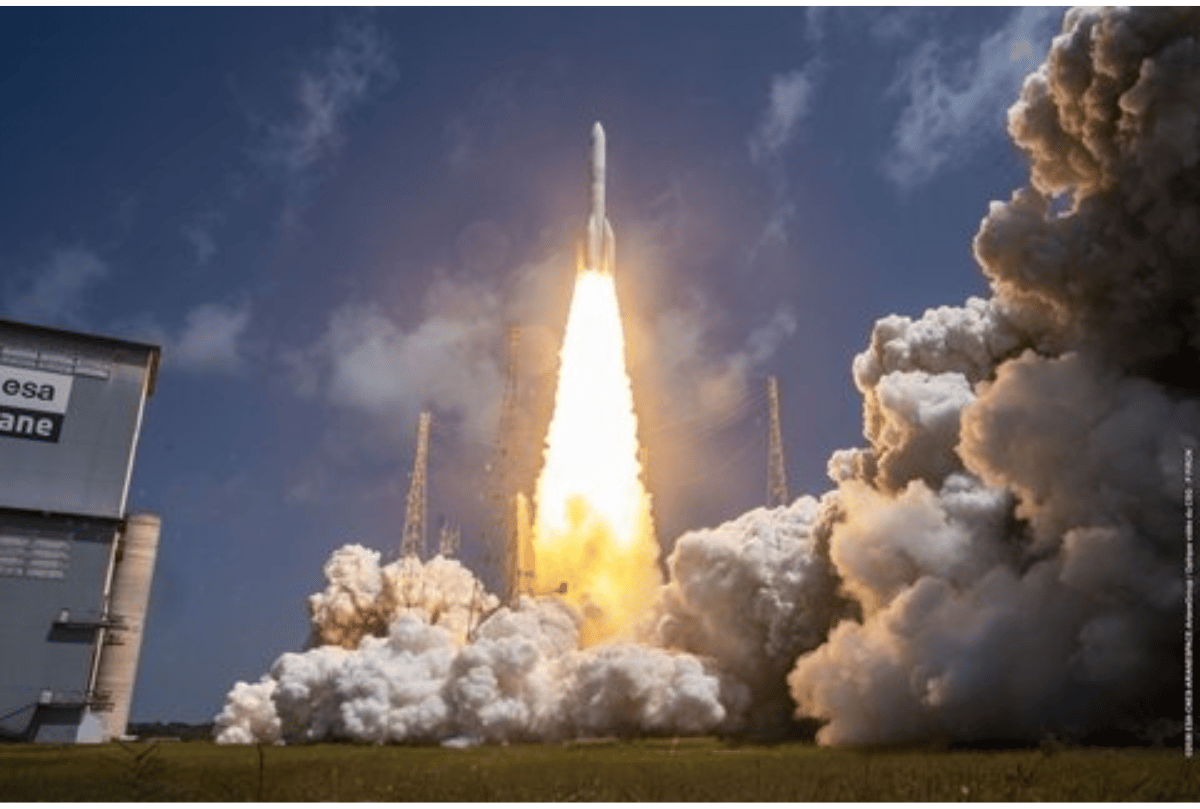
Built on a constellation of thousands of satellites, Amazon Leo enables telecommunications providers to rapidly expand and enhance network infrastructure through satellite-based connectivity. It offers high-speed cell site backhaul of up to 1 Gbps download and 400 Mbps upload.
Under the new agreement, Vodafone will use Amazon Leo to connect geographically dispersed mobile base stations back to its core telecom networks in Germany and other European countries. Thereafter, Amazon Leo will be progressively rolled out across Africa through Vodacom. The companies expect the first of these mobile sites to be connected in 2026 and to extend this service as Amazon Leo builds out its constellation.
“Vodafone is looking to space to connect more mobile base stations to our core network, and strengthen resilience even in the most challenging environments. Amazon Leo’s new satellite constellation supports our ambition to give all Vodafone customers reliable and high-speed connectivity, wherever they are.”
– Margherita Della Valle, Chief Executive, Vodafone Group
“Connectivity shouldn’t depend on where you live. With Amazon Leo, we’re helping bring fast, reliable broadband to places traditional infrastructure can’t easily reach — from rural communities to critical emergency networks. Partnering with Vodafone and Vodacom is an important step toward connecting millions more people across Europe and Africa and expanding access to the digital services that power modern life.”
– Panos Panay, Senior Vice President of Amazon Devices & Services
“At Vodacom, we are working every day to bring more people in Africa online and in reach of vital digital services. Partnering with Amazon Leo enables us to swiftly deploy mobile connectivity in isolated areas, allowing us to efficiently expand our reach to more customers throughout the African continent.”
– Shameel Joosub, CEO, Vodacom Group
The agreement also supports Vodafone’s goal of extending advanced 5G services in Europe and aligns with Vodacom’s Vision 2030 targets: reaching 260 million customers, expanding financial services, and raising smartphone penetration to 75% by 2030.
Amazon Leo has over 200 satellites in orbit and hundreds more built and ready for launch. It started a preview for enterprise customers in November 2025, and will roll out more broadly as it adds coverage and capacity to its network.