Meta Unveils Project Waterworth, the World’s Longest Subsea Cable Spanning 50,000 km
The project also emphasizes faster deployment capabilities and improved durability, positioning it as one of the most technologically advanced subsea infrastructure systems ever developed.
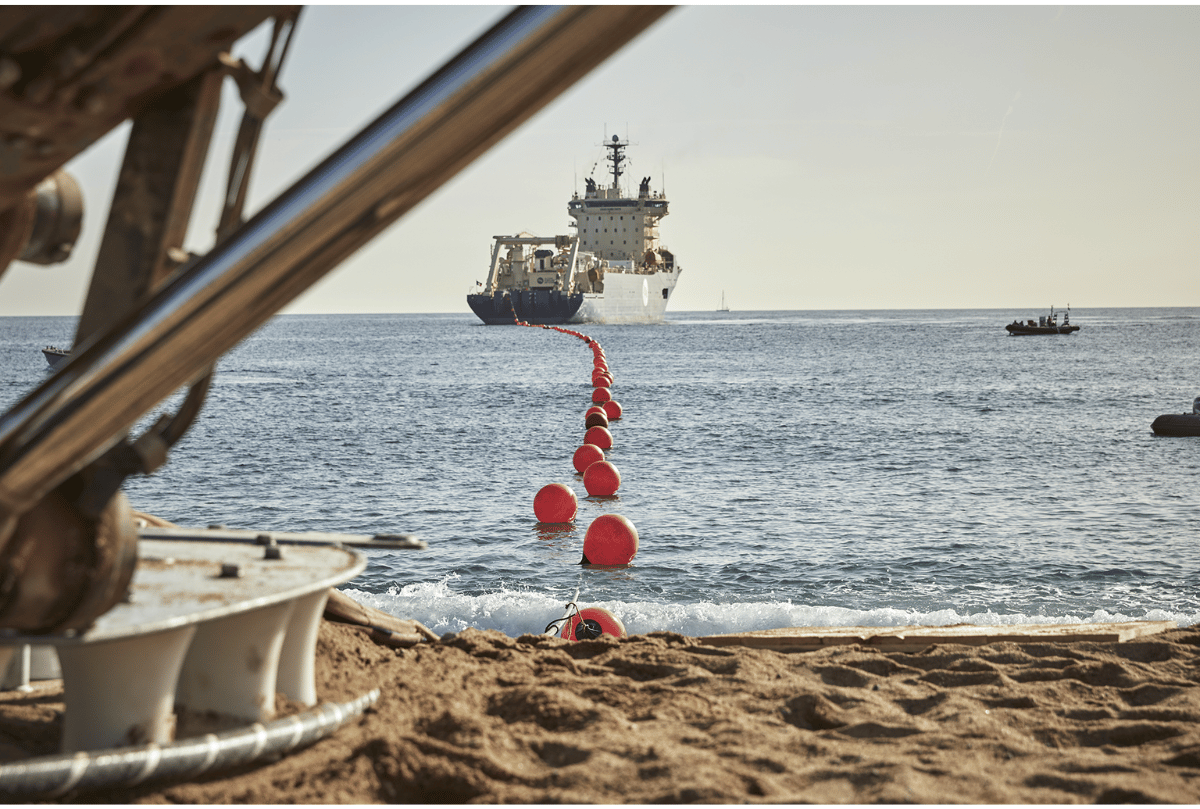
A major new global connectivity initiative, Project Waterworth, has been announced as the most ambitious subsea cable endeavor to date, aimed at significantly expanding international digital infrastructure capacity across multiple continents.
Once completed, the subsea cable system will span more than 50,000 kilometers—longer than the Earth’s circumference—and connect five major continents. It is designed to become the world’s longest subsea cable project using the highest-capacity transmission technology currently available.
The project will deliver enhanced connectivity to key global regions, including the United States, India, Brazil, and South Africa, alongside other strategic markets. It is expected to support economic cooperation, improve digital inclusion, and accelerate technological development in these regions. In India, where digital infrastructure investment is already expanding rapidly, the project is expected to further strengthen the country’s digital economy and innovation ecosystem.
Subsea cable systems such as Project Waterworth form the backbone of global internet infrastructure, carrying more than 95% of intercontinental data traffic across the world’s oceans. These systems enable critical digital services including communications, video streaming, online transactions, and cloud-based applications that underpin modern economies.
The project represents a multi-billion-dollar, multi-year investment aimed at improving the scale, resilience, and reliability of global digital networks. It will introduce three new oceanic corridors designed to support high-speed connectivity essential for artificial intelligence development and other emerging technologies.
The initiative also builds on over a decade of infrastructure development experience, during which more than 20 subsea cables have been deployed in partnership with global collaborators. These include advanced systems featuring up to 24 fiber pairs, compared to the typical 8 to 16 fiber pairs used in most subsea networks, enabling significantly higher data capacity.
Project Waterworth will incorporate advanced engineering designs to enhance resilience and efficiency. This includes optimized routing through deep-sea environments at depths of up to 7,000 meters, as well as improved burial techniques in shallow, high-risk coastal zones to protect against hazards such as ship anchors and other potential disruptions.
The project also emphasizes faster deployment capabilities and improved durability, positioning it as one of the most technologically advanced subsea infrastructure systems ever developed.
The initiative highlights the growing importance of global connectivity in the era of artificial intelligence. As AI continues to transform industries and societies, the need for scalable, high-capacity, and resilient infrastructure is becoming increasingly critical. Project Waterworth aims to ensure that the benefits of digital innovation and AI-driven technologies are accessible across regions, regardless of geographic location.