Nigeria Begins Review of 2000 Telecommunications Policy to Shape Nigeria’s Digital Future
The workshop, which is taking place at the Marriott Hotel, Ikeja, brings together key industry stakeholders to review progress made since the policy was first introduced and to define priorities for the next phase of Nigeria’s digital development.
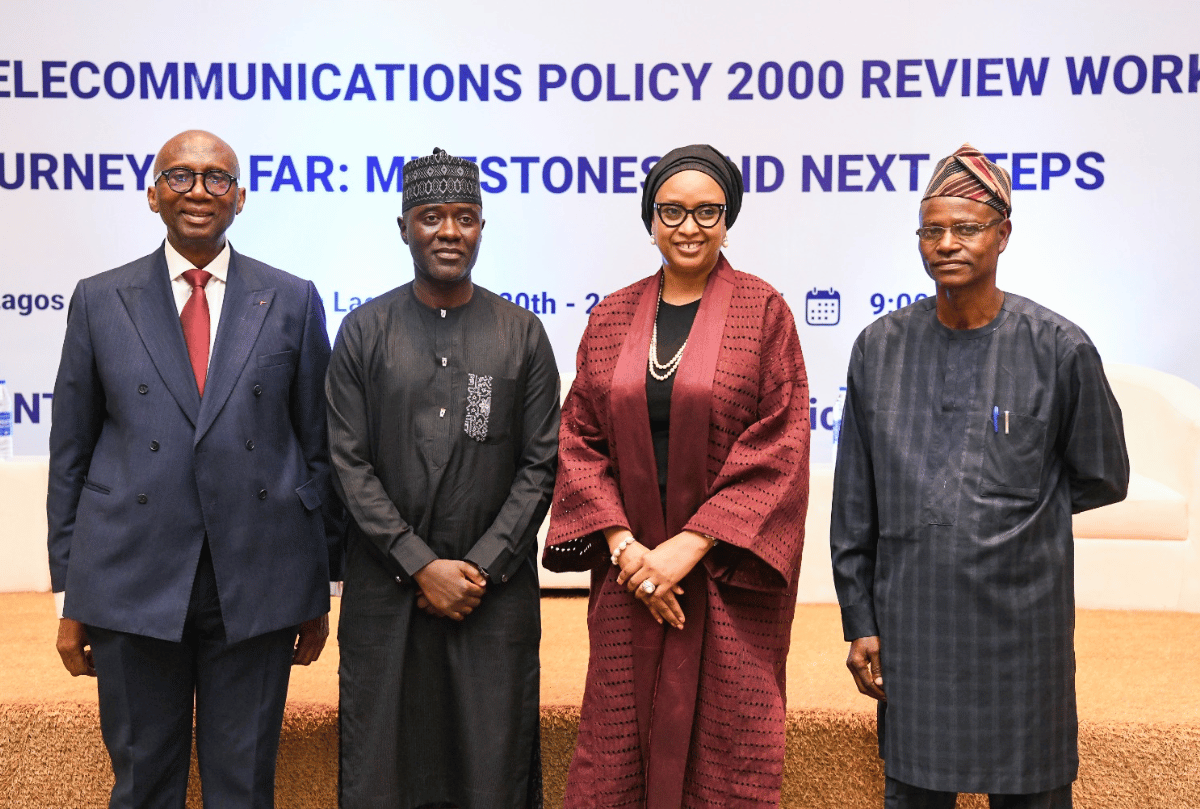
The Nigerian Communications Commission (NCC) has commenced a two-day Stakeholders’ Policy Review Workshop in Lagos to evaluate and update Nigeria’s National Telecommunications Policy (NTP) 2000, as part of broader efforts to modernize the country’s digital regulatory framework.
The workshop, which is taking place at the Marriott Hotel, Ikeja, brings together key industry stakeholders to review progress made since the policy was first introduced and to define priorities for the next phase of Nigeria’s digital development.
In his opening remarks, NCC Executive Vice Chairman and CEO, Dr. Aminu Maida, emphasized that the communications sector has evolved from a standalone industry into a foundational pillar of the wider digital economy. He noted that this transformation requires stronger and more adaptive policy frameworks to effectively govern emerging technologies such as Artificial Intelligence (AI), satellite broadband, the Internet of Things (IoT), critical national information infrastructure, digital sovereignty, network resilience, sustainable innovation, and quality of experience (QoE).
Dr. Maida also highlighted the economic potential of digital transformation, citing data from the GSMA indicating that digitizing key sectors such as agriculture, manufacturing, transport, and trade could contribute an additional 2% to Nigeria’s GDP. He added that this shift could create up to two million jobs and generate approximately ₦1.6 trillion in tax revenue.
He further stressed the need for modern regulatory approaches to address emerging challenges in cybersecurity, data governance, digital financing, and online safety, noting that these areas are now central to effective telecommunications oversight.
The technical sessions at the workshop are focusing on several key areas, including the evolution of the NTP 2000, strategies for bridging Nigeria’s digital divide through collaboration, strengthening innovation while ensuring security and trust, and reviewing international best practices in telecommunications policy.
Stakeholders are also assessing feedback on the Commission’s proposed policy updates, with the goal of shaping a more inclusive, resilient, and future-ready digital economy for Nigeria.