South Africa’s Communications Department Completes Senior Leadership Structure With Full DDG Complement
Under the current leadership, stabilising senior management has been a priority, alongside broader efforts to strengthen delivery in areas such as broadband expansion, digital inclusion, and ICT sector coordination.
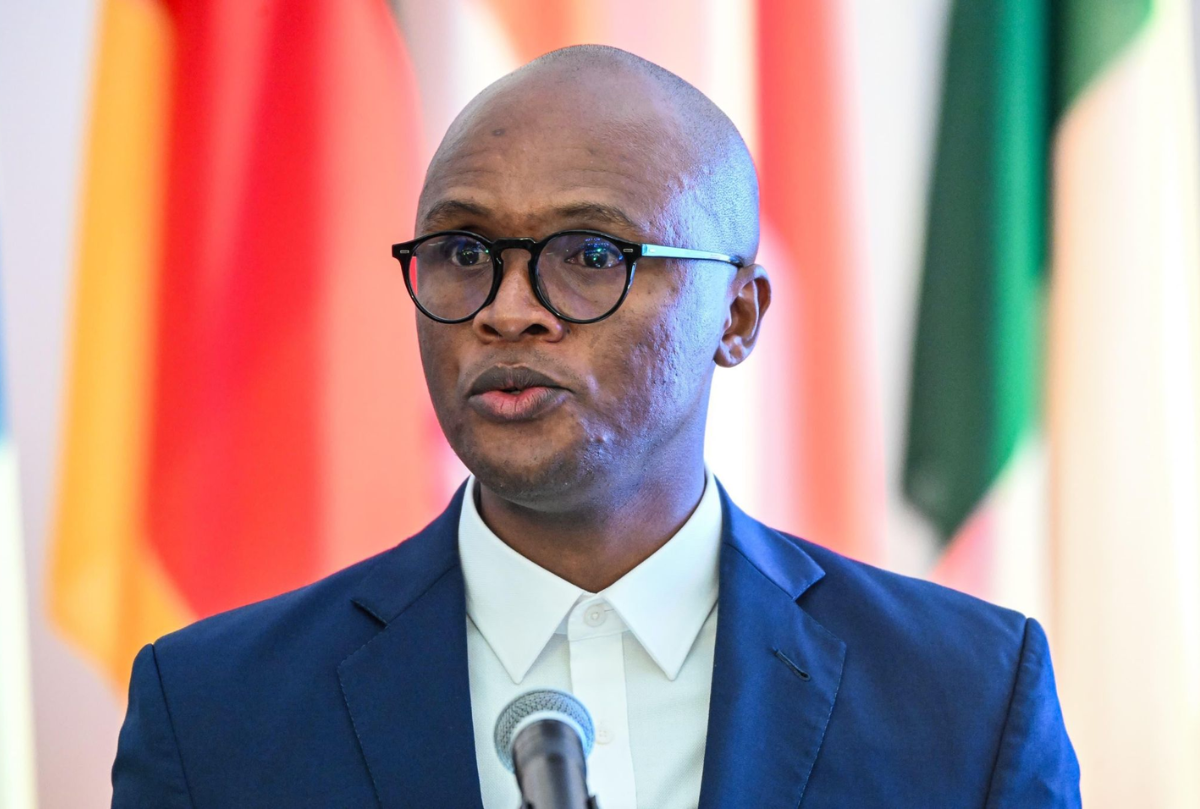
South Africa’s Department of Communications and Digital Technologies has, for the first time since its establishment in 2020, filled all deputy director-general positions, completing a key part of its senior leadership structure.
The department confirmed the appointment of three additional deputy directors-general, bringing the total to six in line with its approved organisational framework. Communications Minister Solly Malatsi announced the appointments as part of efforts to strengthen institutional capacity and improve delivery within the country’s ICT and digital policy environment.
The newly appointed officials include Gcobisa Soci, who will oversee corporate management services and administration, Dick Sono, who takes responsibility for digital infrastructure and technologies, and Jeanette Morwane, who will lead media and content functions.
They join three existing deputy directors-general: Tinyiko Ngobeni, responsible for digital communication, access and services; Mlindi Mashologu, overseeing the digital society and economy portfolio; and Omega Shelembe, who manages ICT transformation, global partnerships, and state-owned enterprise governance. Together, they form the department’s top executive layer responsible for implementing national digital policy and strategy.
The completion of the DDG structure comes as the department continues efforts to stabilise its leadership and improve operational efficiency following years of vacancies and administrative challenges. Since its formation through the merger of the former Department of Communications and the Department of Telecommunications and Postal Services, the department has faced ongoing concerns about staffing gaps and institutional continuity.
Under the current leadership, stabilising senior management has been a priority, alongside broader efforts to strengthen delivery in areas such as broadband expansion, digital inclusion, and ICT sector coordination. Previous reports highlighted vacancy levels significantly above public service targets, prompting renewed focus on recruitment and retention.
Recent planning documents indicate that the department is also working to expand its overall workforce over the coming years, with additional posts expected to be filled between the 2025/26 and 2028/29 financial periods. The latest appointments are positioned as part of this wider capacity-building effort.
The department has also begun advertising further senior and middle-management roles, including a chief financial officer position, as it moves to fully implement its approved organisational structure and reinforce internal governance and administrative systems.