SMART Zambia Presents Digital Transformation Milestones at Africa Public Service Day 2026
A key focus of the presentation was the ZNSDI platform, which facilitates the collection, sharing, and application of geospatial data for national planning.
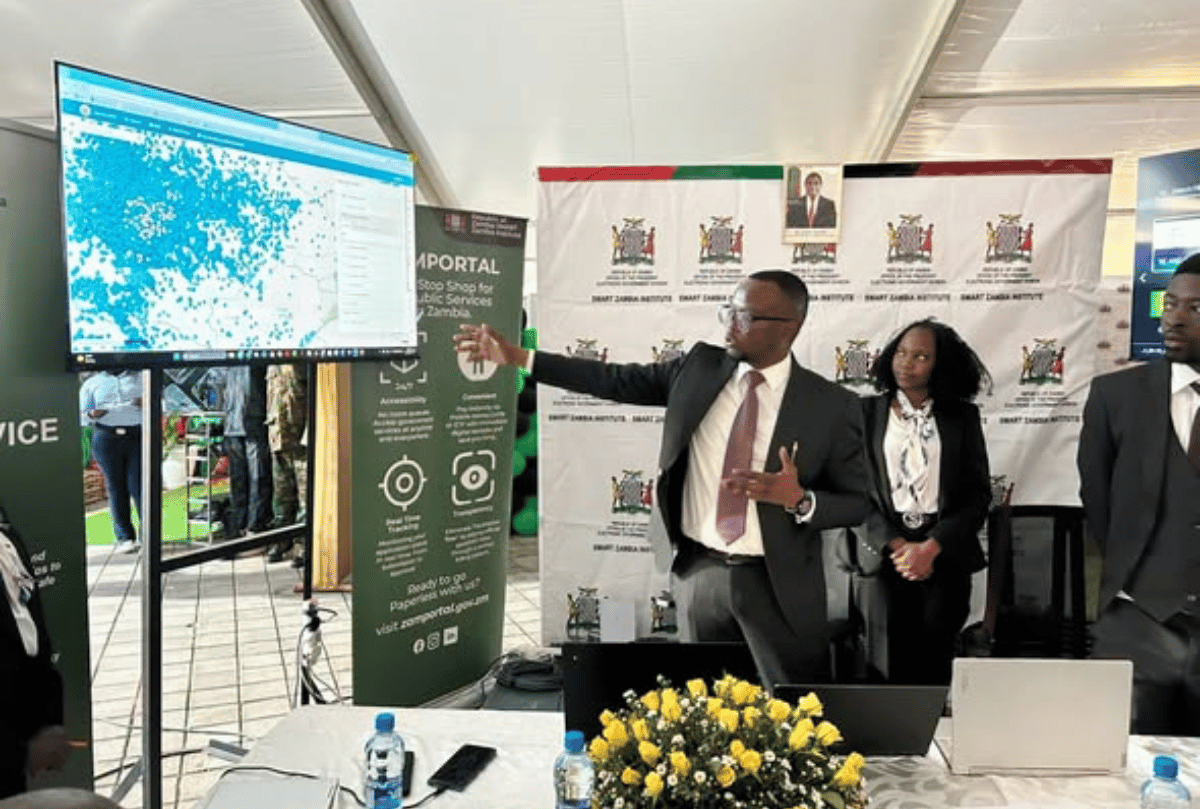
The SMART Zambia Institute has presented its digital transformation achievements at the Africa Public Service Day (APSD) 2026 judging session, highlighting progress in advancing data-driven governance and public service delivery.
The presentation, delivered on June 20, 2026, demonstrated how Zambia’s National Spatial Data Infrastructure (ZNSDI) and the National Spatial Policy are supporting efforts to strengthen public institutions and promote sustainable development, in line with this year’s APSD theme.
During the session, the SMART Zambia e-Government Division outlined how its digital platforms are enabling evidence-based decision-making, improving efficiency in public service delivery, and enhancing collaboration between government agencies, the private sector, and development partners.
A key focus of the presentation was the ZNSDI platform, which facilitates the collection, sharing, and application of geospatial data for national planning. The system supports critical sectors including water resource management, sanitation, infrastructure development, disaster preparedness, and environmental sustainability.
Officials explained that these digital systems are helping bring government services closer to citizens while strengthening institutional coordination through innovation and data-driven governance.
The judges were also briefed on how the National Spatial Policy complements the infrastructure by providing a framework for integrating spatial data into national planning and development processes.
SMART Zambia emphasized that these initiatives reflect the country’s broader commitment to digital transformation and the modernization of public institutions through technology.
By leveraging geospatial intelligence and integrated digital systems, Zambia aims to improve planning accuracy, enhance service delivery, and support sustainable national development goals.