Court of Appeal Approves Continuation of KSh204 Billion Safaricom Share Sale
The appellate court ruled in favour of the National Treasury, the Ministry of Information, Communications and the Digital Economy, the Attorney General and other state agencies, allowing them to continue with the planned divestiture while legal proceedings continue.
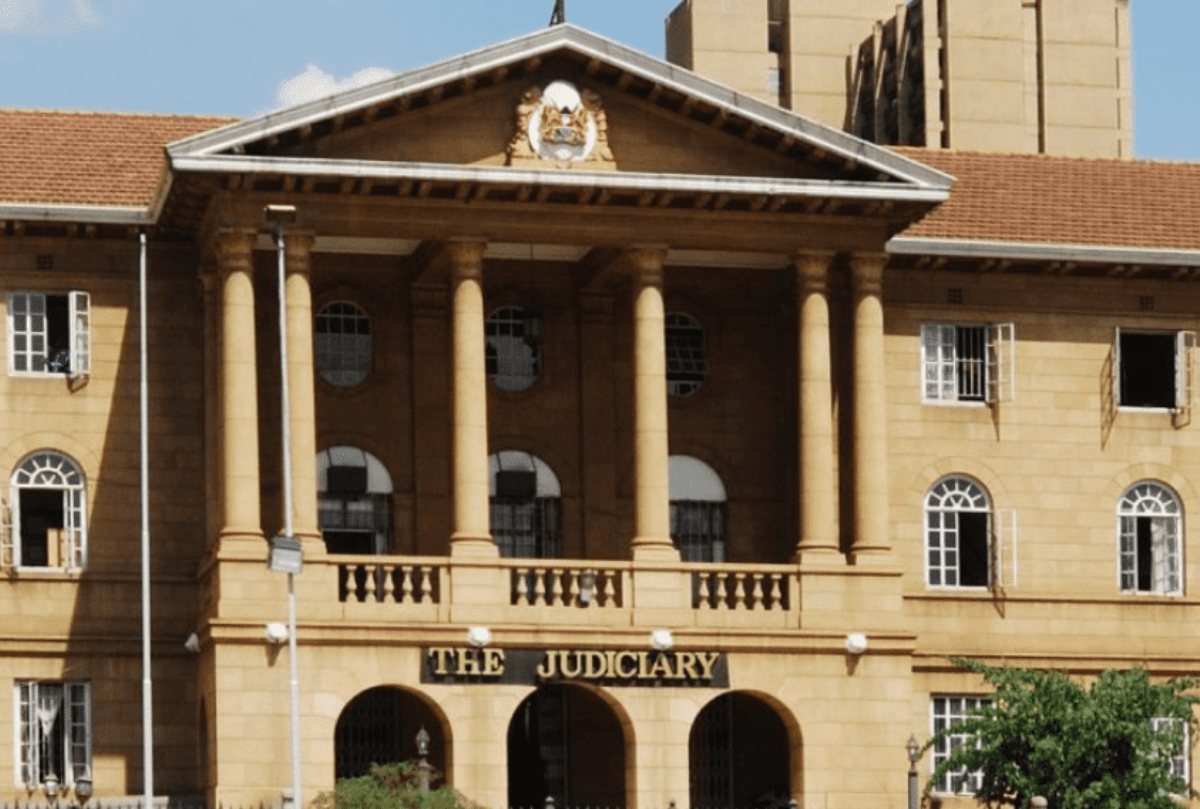
The Court of Appeal has temporarily lifted a High Court order that had blocked the Kenyan government’s proposed sale of its 15 percent stake in Safaricom Plc , paving the way for the transaction to proceed pending the hearing and determination of an appeal.
The appellate court ruled in favour of the National Treasury, the Ministry of Information, Communications and the Digital Economy , the Attorney General and other state agencies, allowing them to continue with the planned divestiture while legal proceedings continue. The appeal arose from a petition filed by a group of petitioners led by political commentator Tony Gachoka, who challenged the legality and transparency of the proposed sale.
The dispute began after the High Court issued conservatory orders in May 2026 suspending the intended sale, transfer or alienation of the government’s shares in Safaricom. The lower court held that the transaction should remain frozen until constitutional petitions questioning the process were fully heard and determined.
In seeking to overturn the conservatory orders, the government argued that the suspension had effectively halted a major economic transaction with significant fiscal implications. State officials told the Court of Appeal that the sale could generate approximately KSh204.3 billion from the disposal of the shares, in addition to an upfront payment of KSh40.2 billion in lieu of future dividends.
According to the government, the proceeds were earmarked for budget support, infrastructure development, fiscal stabilization and contributions to the Sovereign Wealth Fund. Officials further argued that the transaction would attract substantial foreign capital inflows, strengthen foreign exchange reserves and enhance investor confidence in the country.
However, the petitioners maintained that the transaction lacked sufficient public participation and transparency. They argued that the proposed price of KSh34 per share significantly undervalued the government’s stake and raised concerns about increased foreign control over a strategic telecommunications company.
The petitioners further contended that the sale process violated constitutional requirements and that maintaining the conservatory orders was necessary to preserve the subject matter of the case until the constitutional questions surrounding the transaction had been determined.
During the proceedings, the government emphasized that the transaction had not yet been completed and remained subject to several regulatory and statutory approvals. Nevertheless, officials warned that prolonged delays could lead the potential buyer to renegotiate the terms, postpone the transaction or withdraw entirely.
The state also argued that the delay was causing substantial financial losses, estimating that the Treasury stood to lose approximately KSh70 million each day in potential investment returns from the expected proceeds.
In its ruling, the Court of Appeal found that the intended appeal raised arguable legal issues and that the government had demonstrated that the appeal could be rendered nugatory if the conservatory orders remained in force. The judges concluded that the potential economic losses and broader public interest considerations justified the court’s intervention.
The appellate judges observed that while constitutional concerns regarding legality and transparency remained important, the transaction could still be reversed if the petitioners ultimately succeeded in the High Court. The court noted that all parties remained subject to Kenyan law and that any completed transaction could be unwound through appropriate legal orders if necessary.
Consequently, the Court of Appeal granted the government’s application and stayed the High Court conservatory orders pending the determination of the appeal. The judges held that public interest considerations favoured allowing the transaction process to proceed while the underlying constitutional questions continue to be litigated.
The costs of the application will abide the outcome of the intended appeal.