West Africa Charts Path to Digital Sovereignty at SIPEN-UEMOA 2026
Through the adopted recommendations, participants reaffirmed their commitment to building a more integrated, secure, innovative and digitally sovereign West African digital ecosystem capable of supporting long-term economic development and regional cooperation.
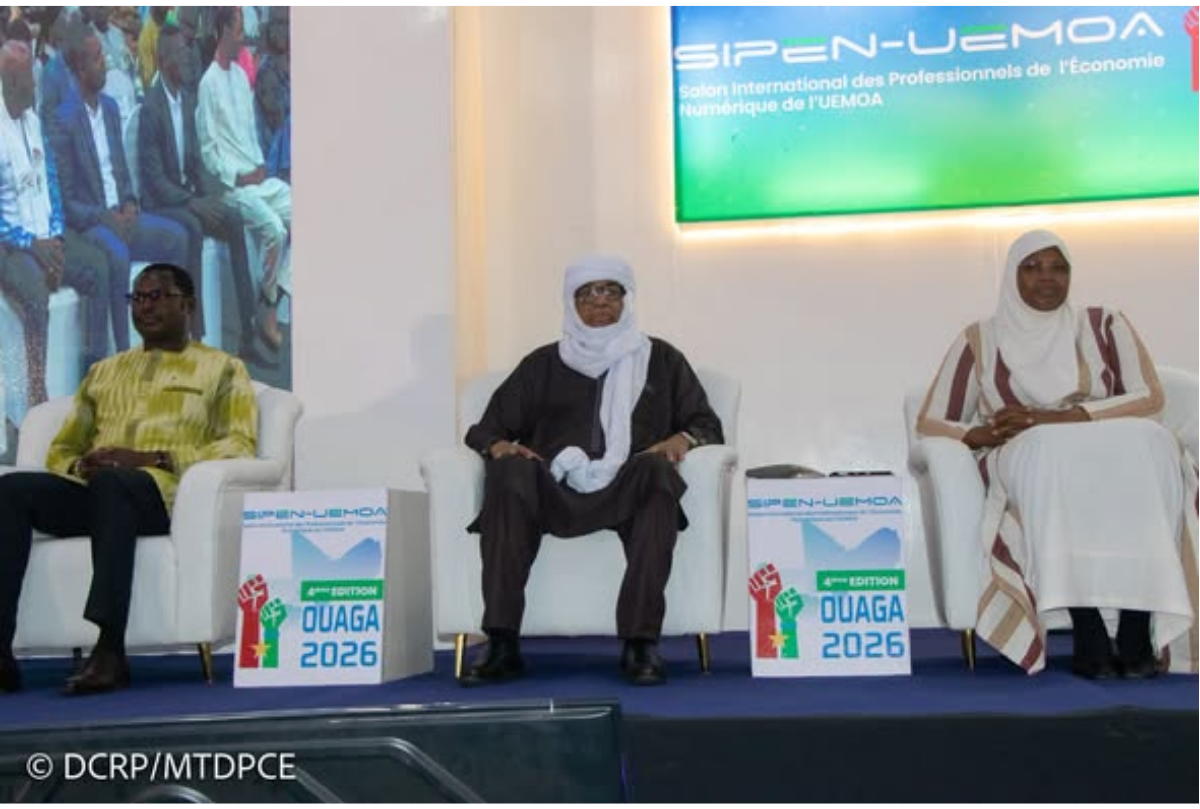
The fourth edition of the International Salon of Digital Economy Professionals of UEMOA (SIPEN-UEMOA 2026) concluded in Ouagadougou with a set of recommendations aimed at accelerating digital transformation and strengthening digital sovereignty across member states of the West African Economic and Monetary Union (UEMOA).
Held on July 14 and 15, the event brought together stakeholders from across the region to discuss Internet governance, digital infrastructure and cybersecurity. Participants urged governments to strengthen national Internet governance policies, accelerate the adoption of the IPv6 protocol, develop secure and sovereign digital infrastructure, and increase the participation of national experts in international Internet governance forums.
The conference also called on regulatory authorities to intensify public awareness on Internet governance issues, deepen regional collaboration and foster a digital ecosystem that is secure, open and conducive to innovation.
Private sector stakeholders were encouraged to play a more active role in advancing the region’s digital economy by increasing investment in digital infrastructure, cybersecurity and emerging technologies. Participants also urged businesses to engage more actively in international Internet governance processes and promote the adoption of global technical standards.
One of the key recommendations from the event was the creation of an African West Alliance of Domain Names (AOAN). Participants called on governments to support the initiative, integrate national domain name governance into their digital sovereignty strategies and encourage greater use of country-specific domain names by public institutions and businesses.
Regional organizations, particularly UEMOA, were also urged to support the establishment of the alliance, strengthen regional expertise in managing critical Internet resources and coordinate a common regional position in international digital governance discussions.
Through the adopted recommendations, participants reaffirmed their commitment to building a more integrated, secure, innovative and digitally sovereign West African digital ecosystem capable of supporting long-term economic development and regional cooperation.