Mozambique Unveils ‘Internet for All’ Strategy to Expand Digital Inclusion
The strategy aims to establish a common roadmap for connectivity projects already implemented or under development in Mozambique.
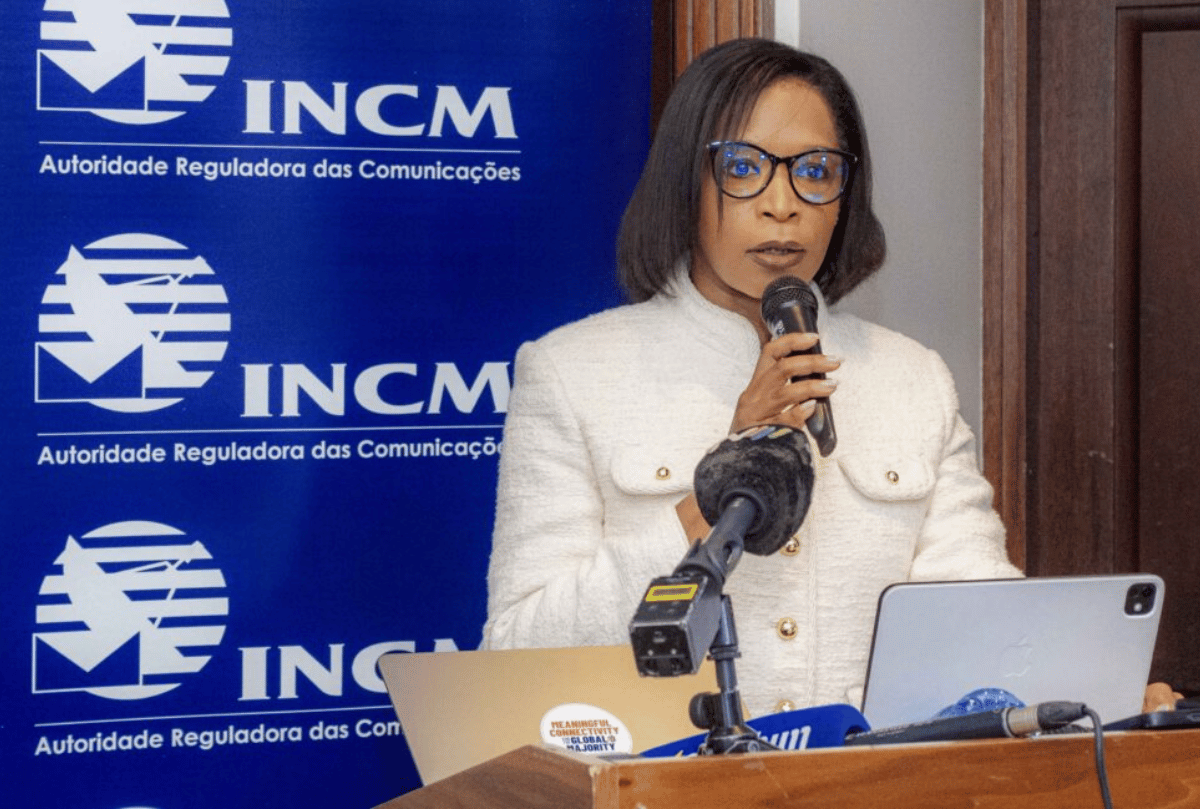
Mozambique is developing a Strategy and Implementation Plan for its “Internet for All” initiative to coordinate ongoing efforts to expand connectivity and digital inclusion across the country.
The proposed strategy was presented on Wednesday, October 7, by the Global Digital Inclusion Partnership (GDIP), which was hired by the Communications Regulatory Authority (INCM) . The proposal is being reviewed by representatives from the public and private sectors, telecommunications operators, academia, civil society and development partners.
The strategy aims to establish a common roadmap for connectivity projects already implemented or under development in Mozambique. These include expanding mobile base stations into rural areas, Digital Squares, Community Multimedia Centres, public internet access points, ICT laboratories in schools and the extension of the country’s fibre-optic network.
It will also cover telecommunications infrastructure mapping, universal access programmes and the development of digital public services, including the Citizen’s Portal. Measures aimed at improving the quality, accessibility and transparency of telecommunications services will also form part of the strategy.
Speaking at the presentation and validation session, Helena Fernandes, Chairman of the Board of Directors of INCM, said Mozambique had made progress in expanding telecommunications networks and digital services but continued to face challenges around the urban-rural digital divide, infrastructure availability, costs, service quality and digital skills.
Fernandes said the “Internet for All” initiative should go beyond increasing the number of people connected, stressing the importance of quality, accessibility, digital skills, security and the effective use of the internet.
INCM is also implementing measures to improve transparency in data consumption measurement, service quality and consumer protection. These include working with telecommunications operators to restructure service packages and developing a tariff management system that is currently being tested.
Sónia Jorge, Executive Director of GDIP, said Mozambique’s existing digital initiatives could position the country as a regional reference but called for stronger coordination between existing projects and new interventions.
The proposed strategy is expected to provide the government with a clear implementation roadmap showing how current connectivity projects contribute to national development and identifying additional interventions required to achieve the country’s digital inclusion goals.