Mozambique Regulator Pushes Postal Sector Reform to Tackle Informal Deliveries
Massingue Apala, INCM’s Executive Administrator responsible for Regulation, Market Regulation and Statistics, said modernising the sector would require investment in technology, broader geographical coverage and stronger cooperation among operators.
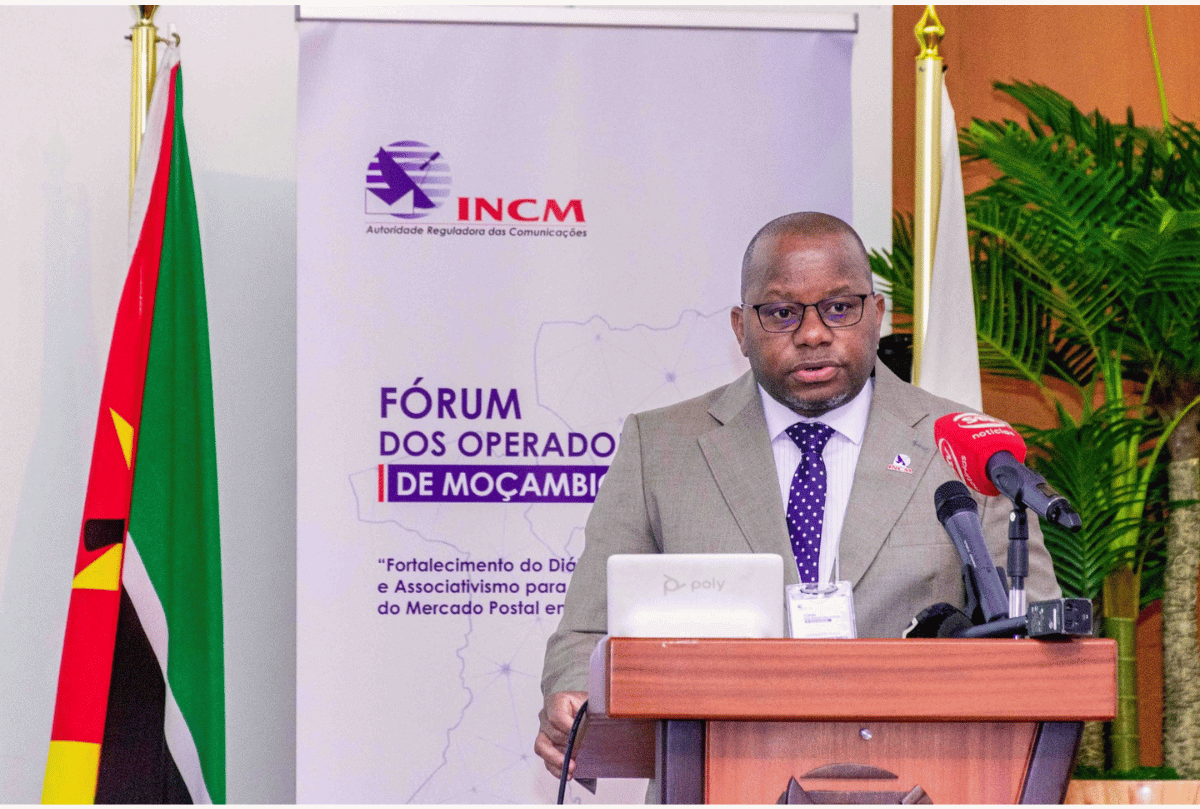
Mozambique’s Communications Regulatory Authority (INCM) has called for greater formalisation and modernisation of the country’s postal sector as the growth of e-commerce increases demand for faster, safer and more efficient delivery services.
The call was made at the first Mozambique Postal Operators Forum, organised by INCM in Maputo on 9 October. The forum brought together industry stakeholders to discuss the impact of digital transformation, informal delivery services and the growing demand for parcel distribution.
Mozambique has 38 licensed postal operators, but informal parcel transportation and delivery remain challenges for regulators. Some individuals offer delivery services through digital platforms without the required postal licences, raising concerns about regulatory oversight, service security and consumer protection.
Massingue Apala, INCM’s Executive Administrator responsible for Regulation, Market Regulation and Statistics, said modernising the sector would require investment in technology, broader geographical coverage and stronger cooperation among operators.
“Today, the postal sector plays an increasingly important role in logistics chains and e-commerce, but also in economic inclusion and bringing people and businesses closer to markets.”
– Massingue Apala, Executive Administrator responsible for Regulation, Market Regulation and Statistics, INCM
He highlighted regulatory measures introduced by INCM, including the Postal Sector Development Strategy, the Postal Security Regulation and the Regulation on the Provision and Operation of Postal Services. However, he stressed that regulations must be effectively implemented to deliver results.
“A good regulatory framework, on its own, does not transform a sector. It is the effective implementation, monitoring of results and commitment of all stakeholders that bring about concrete changes.”
– Euclides dos Santos, Head of the Postal Department, INCM
Euclides dos Santos, head of INCM’s Postal Department, identified informality as a major obstacle to organising the market. He explained that individuals providing postal services must obtain the appropriate licences, even when operating through licensed digital platforms.
The forum also highlighted the need for improved parcel tracking and information sharing. Nuno Rangel, executive director of Rangel Logistics Solutions, said consumers should have access to reliable information about their shipments, including delivery timelines and updates throughout the distribution process.
Dário Nuvunga, representing Portador Diário, identified limited investment as a barrier to technological innovation and the integration of logistics services into e-commerce platforms. He called for financing mechanisms to support technology projects and proposed a shared parcel-tracking platform to improve coordination and visibility across the postal network.
Participants also discussed the high costs of delivering parcels to remote areas, international e-commerce and stronger integration between postal operators and digital platforms. The possible establishment of an association for postal operators was another key topic, with the proposed body expected to support industry representation, cooperation and joint solutions.
Held on World Post Day, 9 October, the forum was organised under the theme “Strengthening Dialogue, Cooperation and Association for the Development of Mozambique’s Postal Market”. INCM said the initiative aims to build a more organised and competitive postal sector capable of responding to the demands of the digital economy.