GSMA Says Digital Reforms Could Add 1.13 Million Mobile Internet Users in Madagascar
By 2035, implementing the recommended reforms across Africa could extend 4G coverage to an additional 50 million people and 5G coverage to an additional 170 million people, while increasing average download speeds by at least 30%.
Targeted digital policy reforms could connect an additional 1.13 million people to mobile internet in Madagascar and generate MGA 4.1 trillion in additional GDP by 2031, according to a new GSMA report.
Launched at the GSMA’s Digital Africa Summit in Madagascar, Madagascar Digital Economy: Policy reforms that will drive Madagascar’s digital future identifies four priorities: affordable smartphones, rural network expansion, mobile-sector tax reform and greater demand for digital services.
A second report, Spectrum Policy in Africa: Enabling investment and empowering consumers through effective spectrum pricing finds that spectrum pricing and licensing reforms across Africa could generate more than US$120 billion in additional GDP between 2026 and 2035.Expanding coverage, but millions remain offline.
Madagascar’s total mobile connections increased from 12.3 million in 2021 to 22.5 million at the end of 2025, but mobile internet adoption continues to lag. Unique mobile internet penetration stood at just 14.3% in 2025. In 2026, 66% of the population lived within mobile broadband coverage but did not use mobile internet.
Smartphone affordability and digital literacy remain major barriers to adoption. Around one-third of the rural population is outside 4G coverage, with difficult terrain, limited electricity, costly backhaul infrastructure and high operating costs constraining rural network investment.
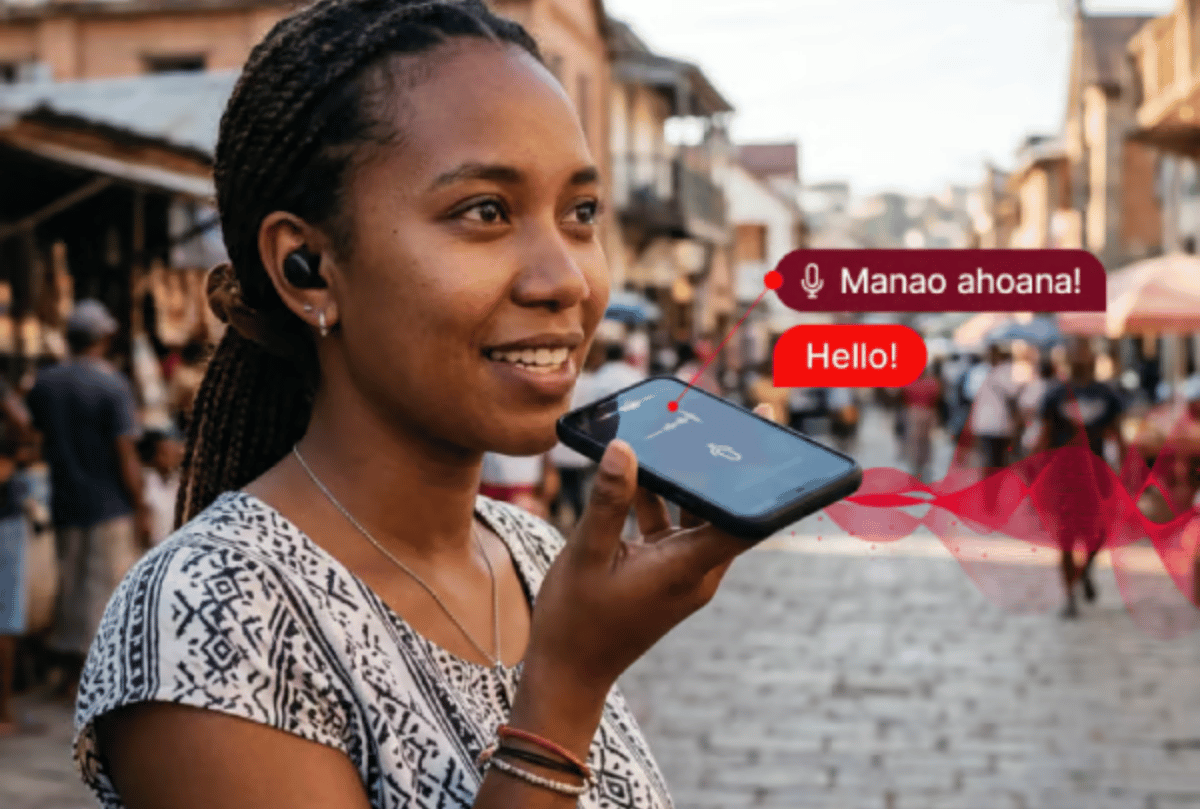
“Madagascar’s expanding mobile networks provide a strong foundation for digital transformation. ATLAS Umoja AI supports conversational voice services that can help people with limited literacy benefit from connectivity. By making suitable public language datasets available and collaborating with mobile operators, governments, industry and researchers could support a pilot offering voice-based agricultural advice in Malagasy, aligned with Madagascar’s digital agriculture strategy. The mobile industry stands ready to work with government and partners to turn this potential into lasting progress.”
– Angela Wamola, Head of Africa, GSMA
Four priorities to accelerate digital inclusion
Building on Madagascar’s existing digital initiatives, the report recommends four priorities that support the the Digital Strategic Plan (PSN) 2023-2028:
- Make smartphones more affordable. Remove the 6% copyright fee, 20% import duty and 1% regulation levy on qualifying entry-level smartphones; introduce a targeted VAT exemption; and expand device financing through DECIM.
- Reduce rural network expansion costs. Develop a costed Rural Connectivity Plan, reform the FDTIC into a transparent, results-based funding mechanism and coordinate telecommunications and electricity investment, including mini-grids anchored by mobile towers.
- Support adoption and investment through tax reform. Consider removing the 8% sector-specific excise duty, reduce the telecommunications and ICT regulation tax from 2% to 1%, and zero-rate imports of essential broadband network and rural-site energy equipment.
- Help more people benefit from digital services. Support voice-based services underpinned by reliable Malagasy speech-recognition technology to widen access for people with limited literacy.
Spectrum reform to unlock network investment across Africa
Also launching at the summit, the Africa spectrum report complements these rural connectivity priorities by examining how spectrum fees and licensing conditions can support network expansion. Spectrum costs in Africa are, on average, 24% higher than elsewhere when measured relative to operator revenues and adjusted for the amount of spectrum assigned.
The report urges regulators to prioritise connectivity’s long-term social and economic benefits. Recommendations include prices that reflect spectrum’s forward-looking value, greater spectrum availability, technology-neutral licences, licence durations of at least 20 years and long-term spectrum roadmaps. Coverage obligations should preserve the commercial viability of investment.
By 2035, implementing the recommended reforms across Africa could extend 4G coverage to an additional 50 million people and 5G coverage to an additional 170 million people, while increasing average download speeds by at least 30%.