GSMA Calls for Stronger Policies to Unlock Ghana’s Digital Potential
The study finds that Ghana’s mobile ecosystem has become a key driver of economic and social development.
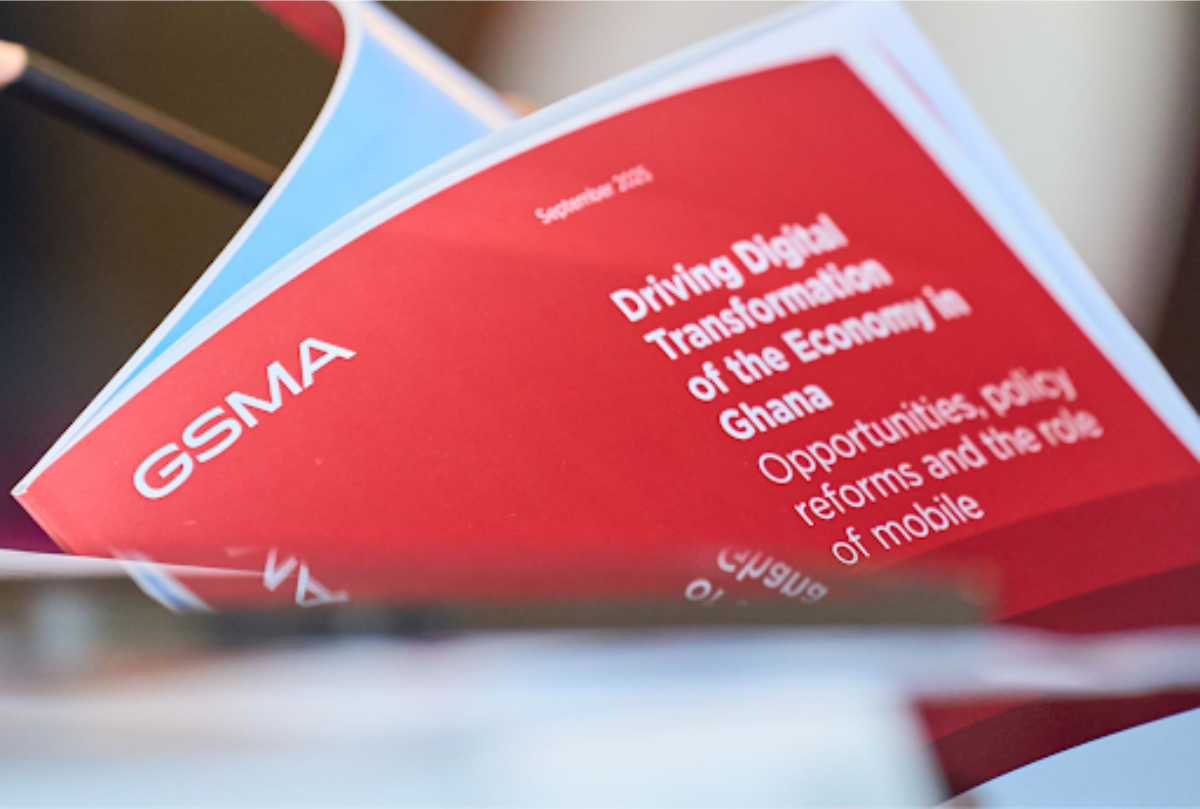
A new report from the GSMA has showcased Ghana’s achievements in mobile and digital transformation while urging stronger policies to unlock the full potential of connectivity, innovation, and inclusive growth.
The study finds that Ghana’s mobile ecosystem has become a key driver of economic and social development. With mobile penetration exceeding 70% and internet usage steadily rising, the country has positioned itself as one of West Africa’s leaders in digital adoption. Mobile technology is noted as a major contributor to GDP, job creation, and innovation, particularly in the fintech and digital services space.
The report outlines both progress and challenges. Mobile broadband coverage has expanded significantly, but gaps remain in rural and underserved areas. Smartphone adoption is rising quickly, yet affordability continues to be a barrier for low-income households. One of Ghana’s biggest successes is digital financial services, with mobile money enabling millions to access payments, savings, and credit.
Despite these gains, challenges persist. The report points to uneven quality of service, high spectrum costs, and the need for greater investment in 4G and 5G infrastructure. It also highlights cybersecurity risks and data protection concerns as urgent priorities as more citizens and businesses rely on digital platforms.
To address these issues, the GSMA recommends targeted policy actions. These include making spectrum more affordable and accessible to operators, encouraging infrastructure sharing to cut costs and expand rural connectivity, and rolling out digital literacy programmes to help all citizens benefit from mobile services. Strengthening data protection laws, enhancing cybersecurity resilience, and fostering partnerships between government, the private sector, and development agencies are also listed as critical steps.
The report underlines the central role of mobile technology in advancing financial inclusion. Ghana’s mobile money ecosystem is described as a global benchmark, widely used for payments, remittances, and access to financial services. This has created new opportunities for small businesses, women, and youth, ensuring more equitable participation in the digital economy.
It further stresses that expanding infrastructure and ensuring affordability will be crucial for Ghana’s development goals. Investment in next-generation networks such as 5G will be vital in enabling innovation across health, education, agriculture, and e-government services.
In conclusion, the GSMA notes that while Ghana has made impressive progress in mobile connectivity and digital transformation, more effort is required to close the remaining gaps. Sustained investment, inclusive policies, and collaborative action will be key for Ghana to unlock its full digital potential and consolidate its position as a regional leader in technology-driven growth.