Namibia’s ICT Market Shifts to Digital as Legacy Services Decline
The report shows a market in transition, with growth in digital and broadband services offset by declines in traditional voice, SMS, and Pay-TV subscriptions.
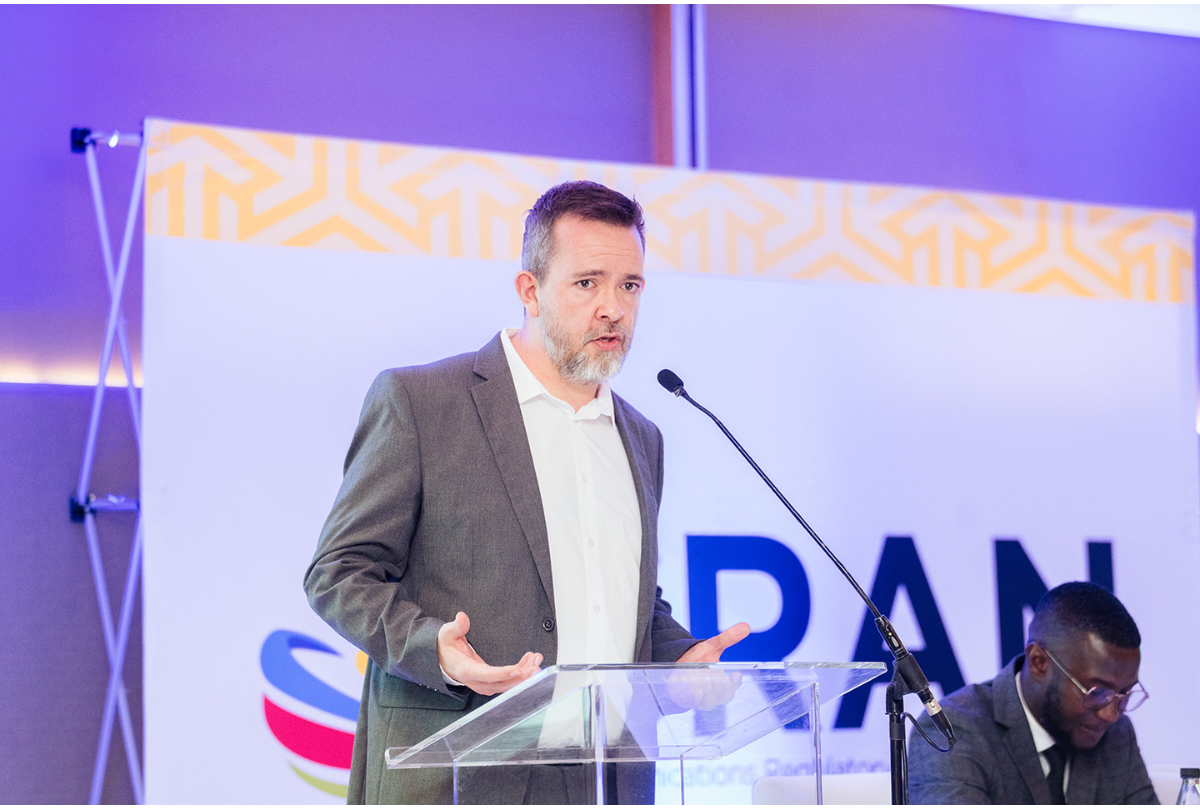
The Communications Regulatory Authority of Namibia (CRAN) has released its Quarterly Statistics Bulletin for the second quarter of 2025, covering developments in telecommunications, cyber security, broadcasting, and postal services. The report shows a market in transition, with growth in digital and broadband services offset by declines in traditional voice, SMS, and Pay-TV subscriptions.
Mobile subscriptions remained largely stable, but mobile broadband usage via mobile phones grew by four percent, raising the proportion of SIM cards used for internet access from 58 percent to 61 percent. This growth was primarily driven by MTC subscribers. Mobile broadband through dongles and routers showed no change, cancelling out the modest recovery seen earlier in the year. Fixed-line subscriptions continued their long-term decline, falling by one percent across both business and residential segments, confirming a structural shift away from landlines towards mobile and broadband-based alternatives such as VoIP.
Broadband trends reflected this shift. Lower-speed internet subscriptions continued to decline, largely in response to a new policy that raised the minimum broadband threshold to 25 Mbps download and 3 Mbps upload. Fibre-to-the-premises subscriptions grew strongly by 11 percent, with new entrants such as Rocketnet Internet Namibia and Demshi Investment Holdings recording significant gains. Satellite and VSAT subscriptions rose sharply by 63 percent, as customers migrated from WiMAX services that are due to be discontinued by September 2025. VoIP usage also increased by nine percent, cementing its place as a substitute for fixed-line voice communication.
Voice and data traffic also reflected changing consumer behaviour. Mobile outgoing minutes increased by seven percent, reversing the 25 percent contraction of the previous quarter. Telecom Namibia recorded the strongest growth with an 11 percent rise, while MTC maintained its dominance with 97 percent of calls terminating on its network. Data consumption increased by eight percent, while SMS volumes declined by three percent. Social media remained the largest driver of data traffic, accounting for 68 percent of MTC’s usage, with TikTok, Facebook, and WhatsApp each contributing 17 percent. Facebook usage declined slightly, while other major platforms remained steady. Fixed-line outgoing minutes dropped by six percent, though international minutes rose by three percent, with on-net traffic maintaining a consistent 35 percent share.
Revenue patterns were mixed. Despite rising consumption, data revenue fell by 1.2 percent, a decline attributed to free data promotions. Voice revenue dropped six percent, while SMS revenue fell 14 percent. Overall ICT revenue grew marginally by one percent, maintaining stability, though operating expenses increased by four percent over the same period. Investment in the sector amounted to N$164 million, representing a sharp 48 percent decline from the previous quarter, largely because of a one-off infrastructure project by Loc8 Mobile earlier in the year. Telecom Namibia and Paratus Telecommunications, however, continued to make significant investments in their networks.
Cyber security risks rose sharply during the period. The number of cyber-threat events more than doubled, driven by infections linked to the Badbox 2.0 botnet. This malware targets low-cost Android devices including tablets, connected TV boxes, digital projectors, and aftermarket vehicle infotainment systems, many of which are manufactured in China. Reported cyber vulnerabilities also increased by two percent, continuing a steady upward trend and highlighting the need for stronger defenses against malicious actors.
In the broadcasting sector, Pay-TV subscriptions declined by 11 percent, reversing the 10 percent growth seen in the first quarter of the year. The volatility reflects the continued disruption caused by over-the-top streaming services such as Netflix, which are reshaping consumer viewing habits. Advertising revenue rebounded strongly, rising by 14 percent after a steep fall in the previous quarter. Advertising accounted for 11 percent of total broadcasting revenue, but overall sector revenue fell by two percent, showing that growth remains uneven.
Postal services displayed modest signs of recovery. Postbox utilisation reached 48 percent, up from 43 percent in the previous quarter, while private bag usage rose to 35 percent, an increase of four percent. Although these figures show improvement, usage rates remain well below historical levels as electronic communication continues to replace traditional mail.
The Q2 2025 statistics confirm Namibia’s steady movement towards a more digital economy. Broadband, fibre, and mobile data usage are expanding rapidly, while legacy services such as fixed-line voice, SMS, and Pay-TV continue to decline. At the same time, new challenges are emerging in the form of heightened cybersecurity threats and fluctuating investment levels. CRAN’s report underlines the importance of ongoing regulatory oversight and investment to ensure that infrastructure, services, and protections keep pace with the country’s accelerating digital transformation.