GSMA Africa Unveils Report on Digital Health Transformation Across the Continent
The report highlights the powerful convergence between digital health technologies and advanced connectivity.
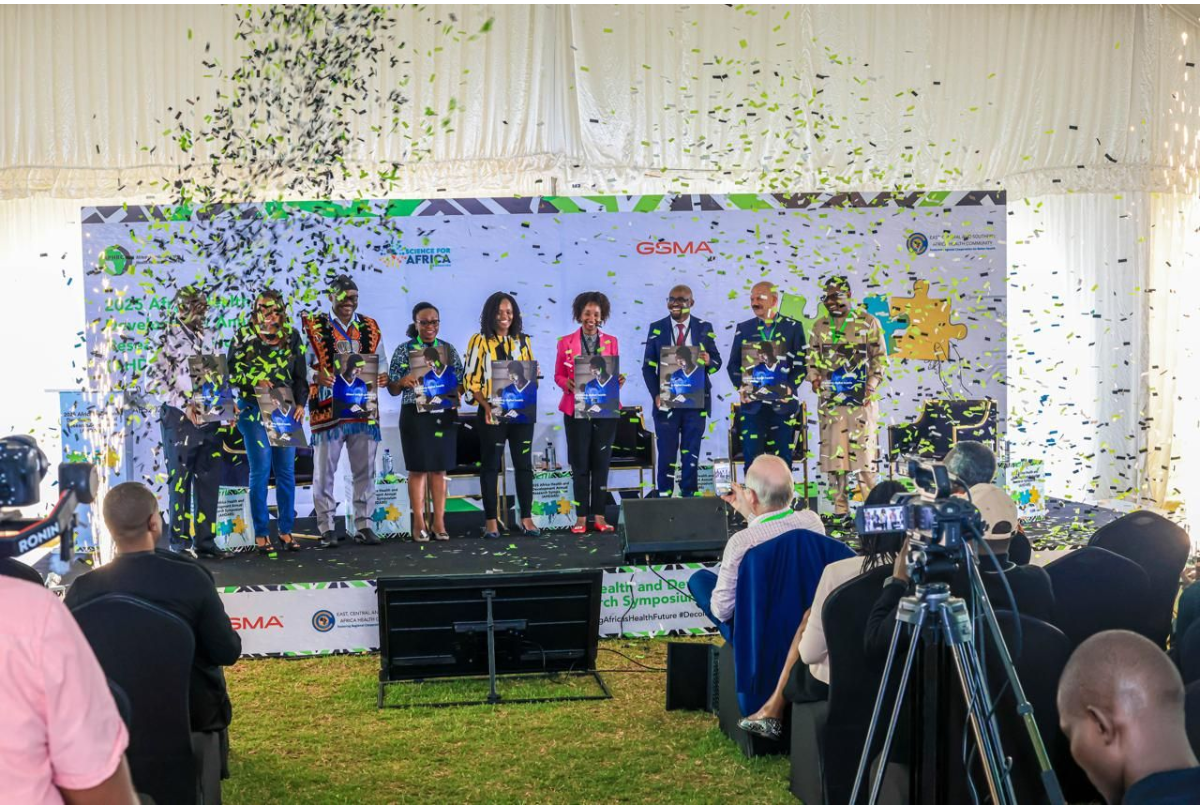
Africa’s healthcare landscape is undergoing a profound shift driven by technology, innovation, and the growing demand for smarter, more connected health systems. On the second day of the Africa Health and Development Annual Research Symposium (#AHDARS2025), GSMA Africa launched its flagship report, Enabling Digital Health in Africa, which explores how digital health is reshaping traditional care models to deliver more efficient, personalised, and accessible healthcare across the continent.
The report highlights the powerful convergence between digital health technologies and advanced connectivity. Digital health, which integrates information and communications technologies (ICT), computer science, and data analytics into healthcare, is transforming decision-making and care delivery. Experts note that advanced networks, including 4G and 5G, are essential for unlocking the full benefits of digital health solutions. Together, technology and connectivity create a synergistic ecosystem driving innovation across hospitals, clinics, and remote health facilities.
Key technologies underpinning this transformation include advanced connectivity, medical devices, telemedicine, logistics innovations, and AI-powered tools. 5G networks offer speeds up to 100 times faster than 4G and ultra-low latency, enabling applications like remote surgery and real-time monitoring. Wearable devices, Internet of Medical Things (IoMT) systems, and remote patient monitoring equipment deliver patient data directly to healthcare providers. Telemedicine platforms help overcome geographic barriers, while logistics solutions—such as drone delivery services and Logistics Management Information Systems (LMIS)—improve the distribution of essential medicines, vaccines, and blood to remote communities. AI-enabled tools also support community health workers with real-time guidance, improving primary care delivery.
The benefits of this convergence are significant. High-speed connectivity allows rapid transfer of large medical files, accelerating diagnosis and treatment. Real-time decision-making is enabled by AI and low-latency networks, enhancing efficiency and accuracy for healthcare professionals. Patient-centred care is strengthened as remote monitoring and virtual consultations extend access to underserved populations, offering more personalised and outcomes-focused services.
However, challenges remain. Infrastructure deficits, including limited 4G coverage and unreliable electricity supply, continue to impede adoption. Fragmented and paper-based Health Information Systems (HIS) prevent seamless data sharing, while shortages of trained healthcare professionals and low digital literacy in rural areas slow technology uptake. High out-of-pocket healthcare costs, expensive data, and device affordability further restrict equitable access.
Looking ahead, the next phase of Africa’s healthcare revolution will focus on innovation, localisation, and collaboration. AI will augment healthcare workers rather than replace them, improving efficiency and diagnostic accuracy. Localised Large Language Models (LLMs) trained on African data and languages aim to reduce biases from Western-trained AI models. Expanded 5G networks will support remote surgical procedures, advanced diagnostics, and AR/VR-based medical training. Innovative financing models, including public-private partnerships and cost-sharing initiatives, are expected to enhance scalability and sustainability of digital health programmes.
The digital revolution in African healthcare represents a paradigm shift, promising improved access, efficiency, and patient-centred care. Strategic investments in connectivity, technology, and workforce development are positioning the continent to overcome traditional barriers and build resilient, future-ready health systems.