Cameroon Strengthens Cybersecurity with Advanced Systems at National CIRT
The upgraded technology includes servers, storage consoles, investigation platforms, workstations, and vulnerability scanning and penetration testing tools.
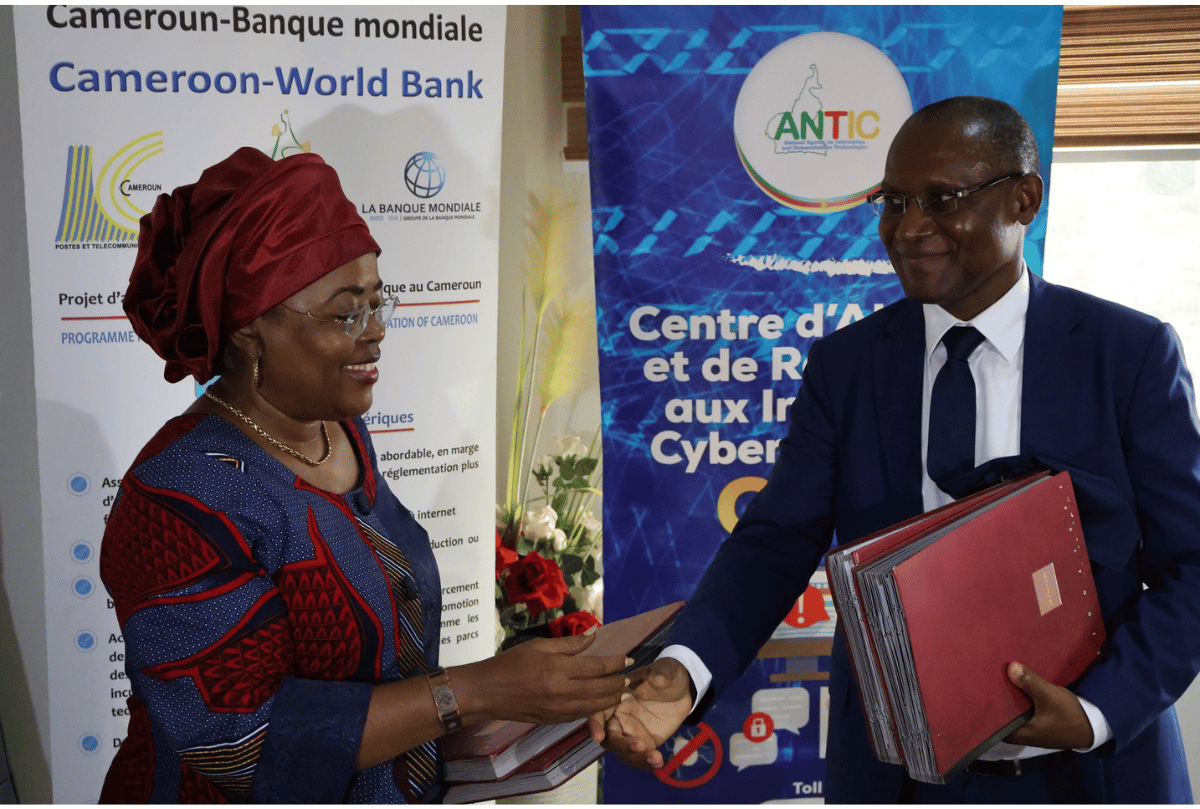
Cameroon has significantly strengthened its national cyber defense capabilities following the acquisition and deployment of advanced cybersecurity technology at the Computer Incident Response Team (CIRT) of the National Agency for Information and Communication Technologies (ANTIC). CIRT, the country’s specialized unit for detecting, preventing, and responding to cyber threats, now benefits from enhanced tools to safeguard the national cyberspace.
The new equipment was acquired under the World Bank-funded Project for the Acceleration of Digital Transformation of Cameroon (PATNUC) and was officially handed over to ANTIC on January 20, 2026, at a ceremony in Yaoundé led by the Minister of Posts and Telecommunications, Libom Li Likeng. The Minister urged ANTIC to use the systems judiciously to create a secure and attractive digital environment that supports the sustainable growth of Cameroon’s digital economy.
The upgraded technology includes servers, storage consoles, investigation platforms, workstations, and vulnerability scanning and penetration testing tools. According to ANTIC Director General Prof. Ebot Ebot Enaw, these assets will enable the agency to proactively respond to cyberattacks on Cameroon’s critical infrastructure, particularly through intrusion detection and prevention systems.
Valued at over FCFA 735 million, the systems are expected to enhance CIRT’s operational capacity. Currently, the unit collects and analyses 200 GB of data daily and responds to nearly 200 urgent requests nationwide. The new tools will expand both the scope and intensity of Cameroon’s fight against cybercrime, which continues to grow in complexity:
In 2025, 32,500 legal requisitions were processed, a 30% increase from 2024.
Since January 2024, 8,502 vulnerabilities have been identified through audits and scans of public and private entities.
206 reports on digital evidence authentication were produced for judicial authorities during the same period.
Close to 8,500 fake online accounts were detected, of which 6,416 were removed in collaboration with social media platforms, including Facebook and TikTok.
PATNUC, led by the Ministry of Posts and Telecommunications (MINPOSTEL) with World Bank support, is a key national initiative aimed at accelerating digital inclusion, expanding digital infrastructure and services, and driving economic and social development through technology.
This deployment positions Cameroon to better protect its digital space, respond more effectively to cyber threats, and foster a safer environment for digital innovation and economic growth.