Mozambique Presents Draft National AI Strategy at ITU Workshop in Kenya
During the workshop, the Chairman of INTIC, Lourino Chemane, outlined the country’s proposed AI strategy, highlighting Mozambique’s priority strategic areas and opportunities for regional and international cooperation.
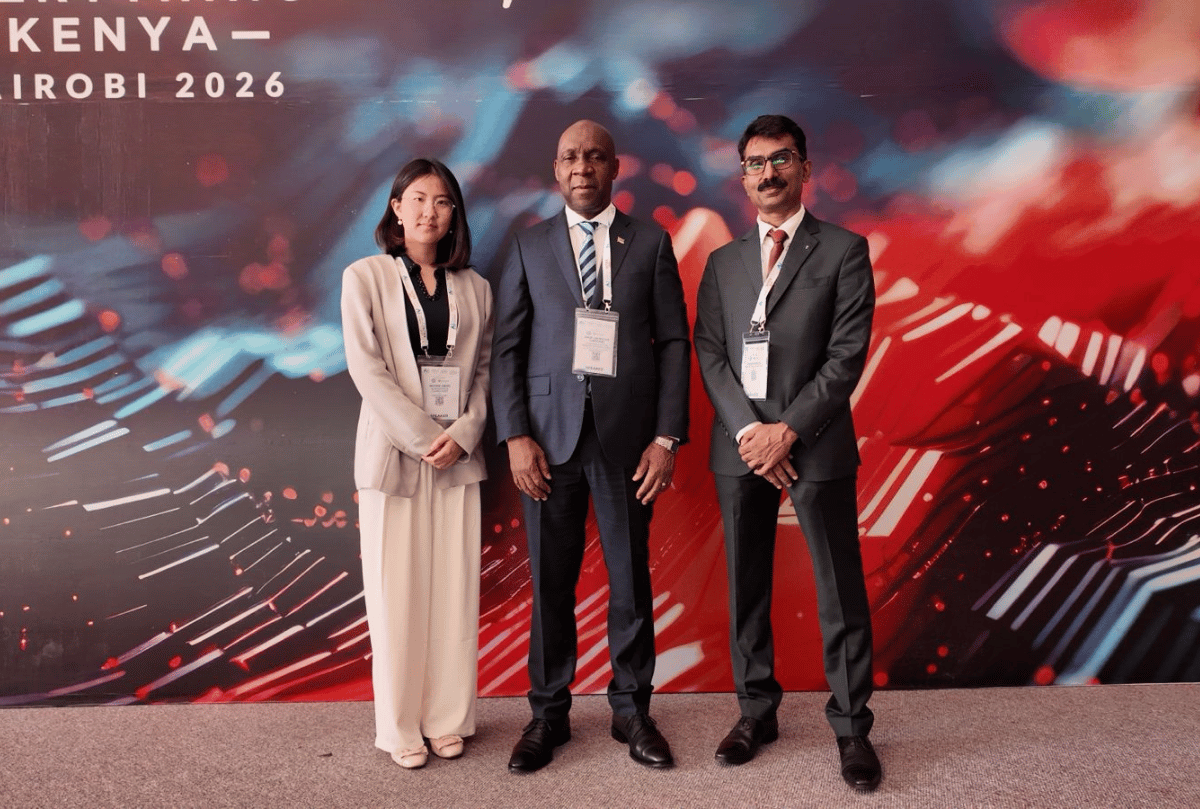
INTIC – Instituto Nacional de Tecnologias de Informação e Comunicação this week presented the draft of Mozambique’s National Artificial Intelligence Strategy during the “AI for Good” Workshop organized by the International Telecommunication Union as part of the AI for Everything and GITEX Kenya 2026 event held in Kenya.
During the workshop, the Chairman of INTIC, Lourino Chemane, outlined the country’s proposed AI strategy, highlighting Mozambique’s priority strategic areas and opportunities for regional and international cooperation. Representatives from Tanzania, Zambia, Cameroon, and China also participated in the workshop, while the ITU provided an overview of its “AI for Good Sandbox” initiative, which is already being implemented in several African countries, including Mozambique.
Mozambique used the platform to emphasize the role of Artificial Intelligence Regulatory Sandboxes in shaping public policy, supporting national AI strategies, and encouraging the responsible and secure adoption of AI technologies across sectors such as education, healthcare, finance, agriculture, energy, climate change, and digital public services.
The country also shared progress on its broader digital transformation agenda, including the recent adoption of cybersecurity and cybercrime legislation, as well as regulations governing the development and operation of data centers and cloud computing platforms. Chemane invited private-sector investors to consider Mozambique as a destination for data center investments, citing the country’s favorable legal framework, electricity generation potential, access to water resources, strategic coastline for submarine cable connectivity, and growing pool of young talent.
The workshop featured technical presentations from participating countries and international organizations on AI implementation strategies and digital transformation initiatives. The Chinese delegation highlighted the country’s “AI + Transformation” strategy, showcasing AI applications in governance, public services, transportation, urban resilience, disaster management, and education. Meanwhile, Cameroon discussed the integration of AI into public administration and citizen services, with a focus on digital sovereignty and data governance, while Zambia shared its experience in developing AI solutions aligned with local priorities and skills development.
According to INTIC, Mozambique’s proposed National Artificial Intelligence Strategy is currently in its final drafting phase, with public consultations and provincial workshops underway involving stakeholders from government, academia, civil society, and the private sector. The technical component of the strategy is expected to be finalized by June 2026 before submission to the Council of Ministers.
The initiative is being supported by several international partners, including UNESCO, the ITU, the European Union, the African Union, the World Bank, and other multilateral institutions. Mozambique has also established a National Artificial Intelligence Commission, which will review the final draft of the strategy before it is formally submitted to the government.