Airtel Urges Uganda’s Digital Finance Sector to Build Fraud Protection Into Products
Consumers with unresolved data protection complaints can escalate their cases to Uganda's Personal Data Protection Office under the Ministry of ICT, while authorities continue to encourage greater caution when sharing personal information.
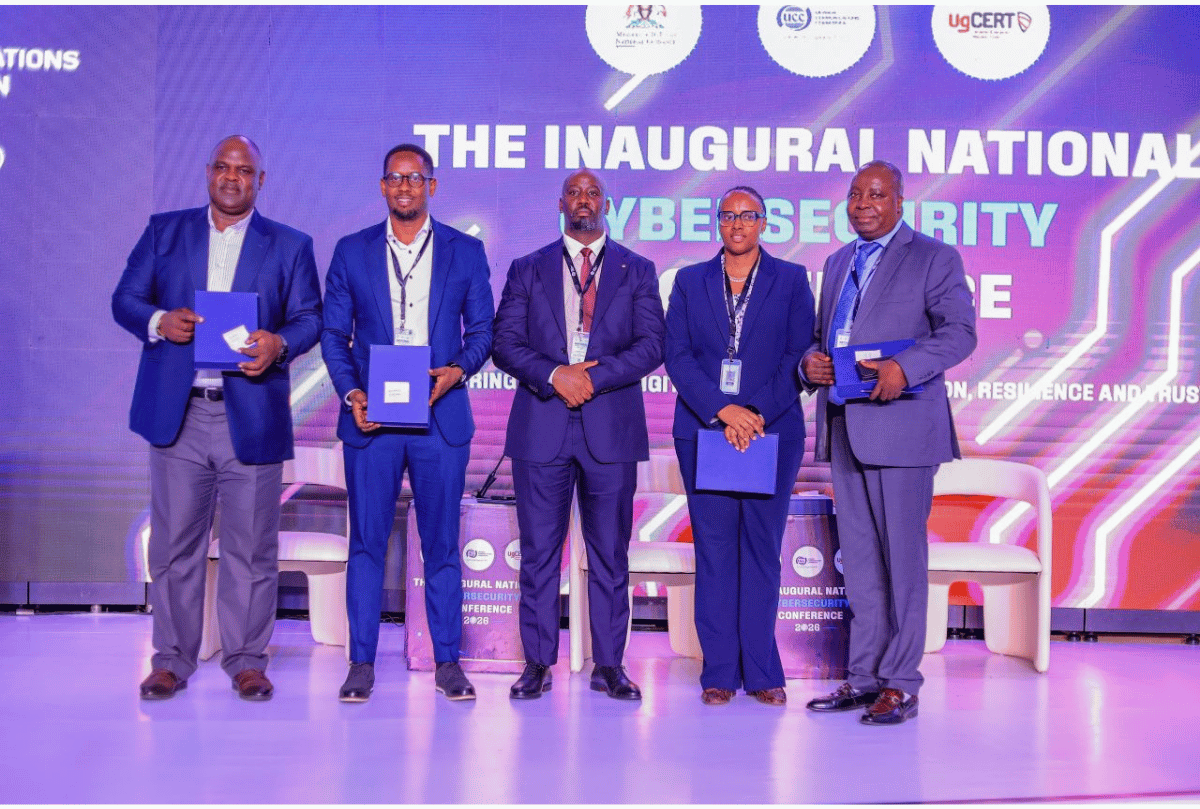
Uganda is stepping up efforts to protect its rapidly growing digital financial ecosystem as telecom operators, banks and regulators intensify collaboration against cyber-enabled fraud.
The Uganda Communications Commission (UCC) convened its inaugural National Cybersecurity Conference under the theme “Securing Uganda’s Digital Future: Collaboration, Resilience and Trust,” bringing together key players to address emerging threats targeting mobile money and digital banking users.
At a high-level panel on securing digital financial services, Airtel Money Commerce Uganda Limited (AMCUL) Managing Director Japhet Aritho called for a shift from relying primarily on customer awareness to building stronger security measures directly into digital products and services.
Aritho said social engineering, SIM swap fraud and account takeover should be viewed as interconnected stages of a broader fraud chain. He explained that criminals often first manipulate victims into revealing personal information, use that information to facilitate a SIM swap and ultimately gain control of financial accounts.
He pointed to an industry-led initiative that helped strengthen cooperation between telecom operators and banks. Airtel Money Uganda developed an API that enabled financial institutions to check for recent SIM swap activity before processing transactions. The initiative later informed a Bank of Uganda requirement for commercial banks to adopt the IMSI check API, enabling real-time verification of SIM-related changes.
Airtel has also introduced an AI-powered Spam Alert Service designed to identify suspicious SMS patterns and warn subscribers about potential scams.
According to Aritho, fraudsters increasingly exploit public awareness campaigns themselves, sometimes repeating legitimate security advice during scam calls before persuading victims to reveal sensitive information such as PINs.
He advocated for wider adoption of security-by-design measures, including device binding. Airtel Money’s system can detect changes involving a customer’s registered device or SIM and restrict transactions until the account holder completes additional verification.
Aritho also cautioned against placing the responsibility for fraud prevention entirely on consumers, noting that sophisticated scammers can appear credible and professional. He argued that service providers must anticipate human vulnerabilities and incorporate stronger safeguards into their systems.
The discussion also highlighted concerns around the protection of personal data. Macgyver Mugamba, Manager for Data Protection and Legal Advisory at UCC, said Uganda’s Data Protection Act gives individuals the right to seek information from private organisations about how their personal data is collected and managed.
Consumers with unresolved data protection complaints can escalate their cases to Uganda’s Personal Data Protection Office under the Ministry of ICT, while authorities continue to encourage greater caution when sharing personal information.
Aritho concluded by stressing that cybersecurity requires coordinated action across Uganda’s digital ecosystem, with telecom operators, financial institutions and regulators working together to strengthen both technological safeguards and consumer protection.