Zambia Expands ICT Infrastructure to Improve Rural Public Service Delivery
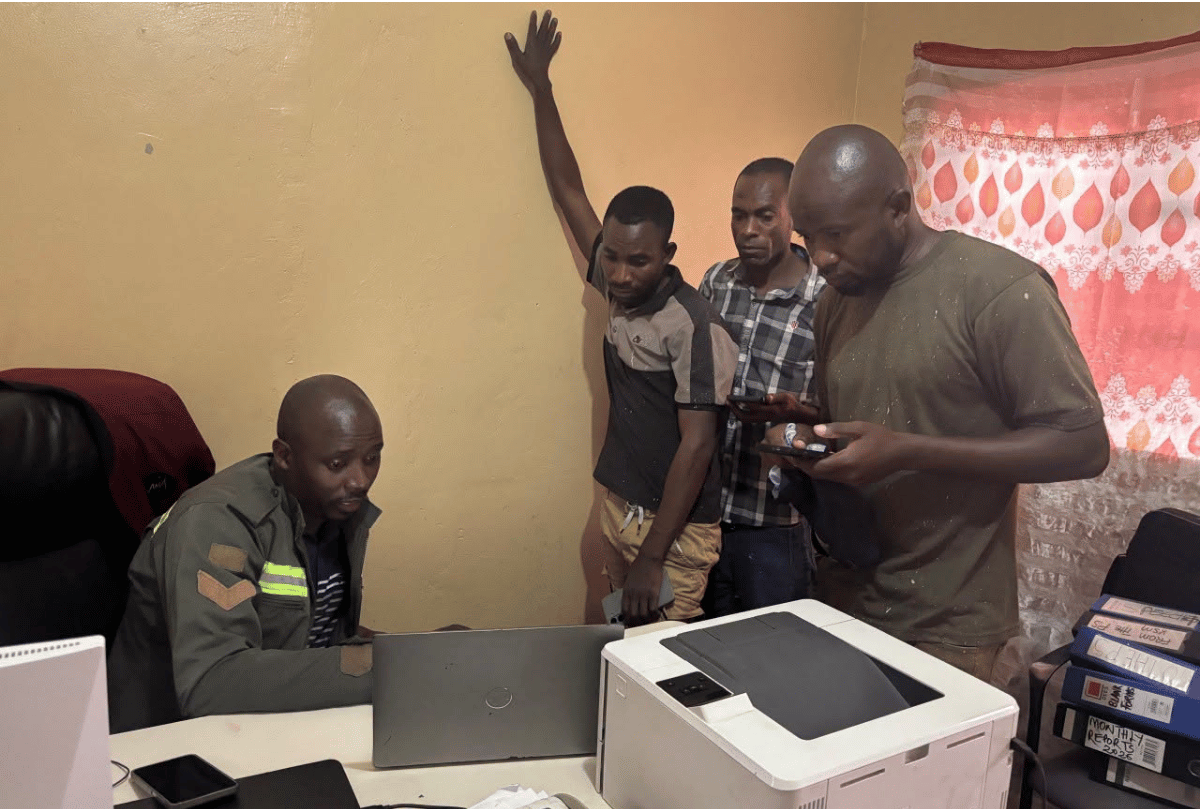
The SMART Zambia Northern Provincial ICT Unit is implementing digital upgrades in Mpulungu, Mbala and Lupososhi districts, targeting government human resource systems and ICT infrastructure.
The Zambian Government is intensifying digital transformation efforts in rural areas through a series of information and communication technology (ICT) interventions aimed at improving efficiency, accountability and communication in public service delivery.
The SMART Zambia Northern Provincial ICT Unit is implementing digital upgrades in Mpulungu, Mbala and Lupososhi districts, targeting government human resource systems and ICT infrastructure.
The initiative includes onboarding government employees onto the E-Payslip Self-Service Portal, which provides civil servants with round-the-clock access to their payslip information. The platform is expected to reduce administrative delays associated with manual payslip distribution while improving transparency and access to employment records.
The ICT team is also conducting inspections of government office equipment and sensitising officials on Government Office Equipment Standards. The standards cover the acquisition, registration, maintenance, use and disposal of government equipment and are being enforced in line with relevant public finance, procurement and ICT regulations.
In Lupososhi, the district administration is being configured for access to the Government Wide Area Network (GWAN) to address unreliable GSM network coverage that has affected timely reporting and communication between government offices.
The district has also been equipped with a Wireless Access Point to provide stable internet connectivity. This will enable government officials to use internet calls and digital communication platforms, reducing their reliance on unreliable mobile network coverage.
The interventions are part of the government’s broader digital transformation efforts to bridge the digital divide and strengthen public service delivery in rural areas. The programme is expected to improve access to government systems, enhance accountability, protect public assets and strengthen communication between government offices.