South Africa Pushes Subsea Cable, AI and Digital Skills Agenda to Expand Connectivity
Malatsi described the proposal as encouraging, particularly for improving connectivity in rural communities and townships.
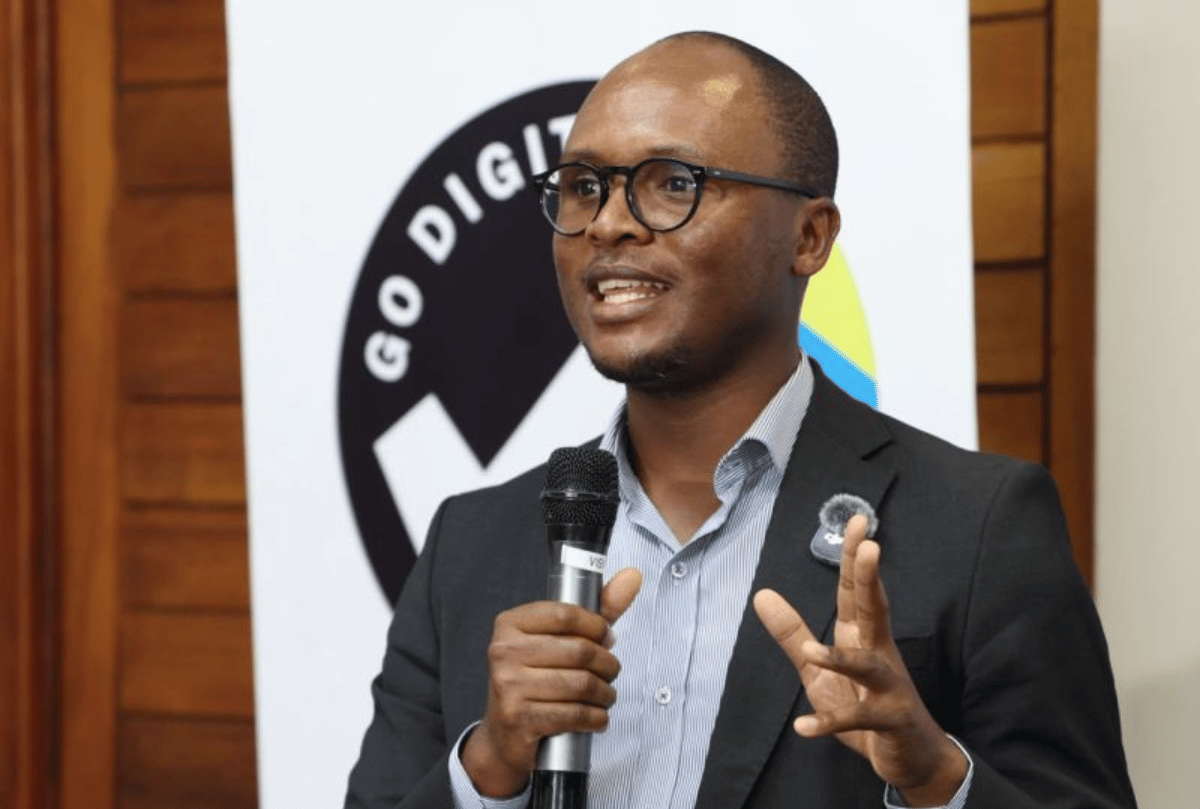
South Africa is pursuing a series of strategic initiatives aimed at strengthening its position in global connectivity while expanding access to digital skills and infrastructure, according to Communications and Digital Technologies Minister Solly Malatsi.
As part of efforts to use digital skills in the fight against gender-based violence (GBV), Malatsi addressed more than 100 women from community and non-profit organisations in Tzaneen, Limpopo. The women received digital skills training from the Film and Publications Board and the National Electronic Media Institute of South Africa under the Department of Communications and Digital Technologies’ Gender-based Violence and Femicide Awareness Programme.
The programme formed part of activities marking the end of Women’s Month, which was held under the theme “Empowered women empower the nation.” The initiative highlights the role digital literacy can play in empowering women and supporting communities affected by gender-based violence.
Malatsi also met with a delegation from Microsoft South Africa, led by CEO Vukani Mngxati, to discuss opportunities to strengthen the country’s digital economy. Microsoft provided an update on its R5.4 billion investment in cloud and artificial intelligence infrastructure in South Africa.
The discussions also covered opportunities to expand existing partnerships around digital skills development and support for small, medium and micro-enterprises (SMMEs), with the government seeking to ensure that digital transformation translates into broader economic opportunities.
South Africa is further exploring ways to leverage its geographic position to become a global submarine cable and digital infrastructure hub. Malatsi met with the Digital Council and officials from Operation Vulindlela to initiate collaboration on regulatory reforms that could support the growth of the country’s digital economy.
According to Malatsi, disruptions to transportation and communications infrastructure linked to ongoing conflict in the Middle East have created an opportunity for South Africa to strengthen its role as an alternative global connectivity hub and digital gateway between Africa and other regions. Such a position could attract investment, support economic growth, accelerate digital transformation and create jobs.
Meanwhile, the Association of Comms and Technology (ACT), which represents Vodacom, MTN, Telkom, Cell C, Rain and Liquid, has applied to the Competition Commission for a five-year exemption under Chapter 2 of the Competition Act.
The proposed exemption would allow ACT members to share limited infrastructure planning information through an independent third party. The arrangement is intended to help operators identify connectivity gaps, reduce duplication of infrastructure and lower the cost of deploying networks in areas where individual operators may not find investment financially viable.
Malatsi described the proposal as encouraging, particularly for improving connectivity in rural communities and townships. He said digital inclusion requires that South Africans, regardless of where they live, have access to the internet and the services and opportunities it provides.