EP.07 | S2 | What Will It Take to Get 900 Million+ Africans Online? GSMA’s Caroline Mbugua on Affordability, AI and Policy Reform
Africa has nearly closed its connectivity gap. So why are more than 900 million Africans who already have coverage still not online?
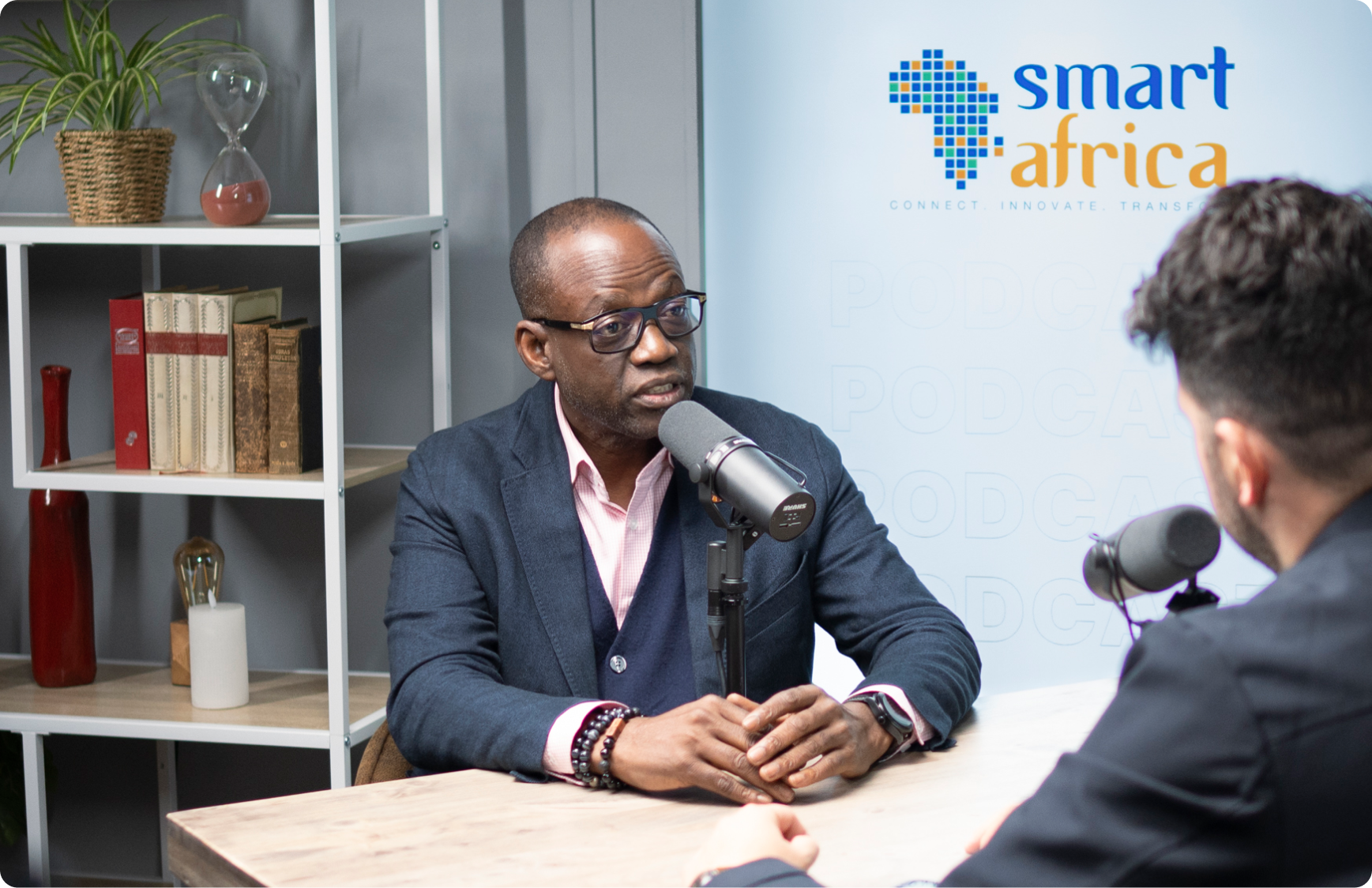
In this TechAfrica News podcast episode, Caroline Mbugua, HSC, Senior Director of Public Policy and Communications at GSMA, sat down with Akim Benamara, Founder of TechAfrica News, on the sidelines of MWC 2026 in Barcelona to unpack why smartphone affordability, not network coverage, is now Africa’s biggest lever for digital inclusion.
The conversation moved from a proven tax-reform win in South Africa to the policy fragmentation still holding the continent back, and what it will take to get 900 million already-covered Africans actually online.

- 00:29GSMA's policy advocacy and digitalization reports
- 05:02 Benchmarking Without Competition: How the Index Works
- 11:16Why Digital Policy Still Doesn't Align Across Africa
- 17:39The Handset Coalition's $30–40 Smartphone
- 23:35AI in Africa: Real Gains and the 28 Percent Problem
- 29:42Regulatory Modernisation, the Next Decade, and Africa's Debut at MWC Barcelona
The Luxury Tax Repeal and the Adoption That Followed
Mbugua’s clearest evidence for smartphone affordability as a lever for adoption comes from South Africa. GSMA’s South Africa Digitalisation Report flagged the luxury goods tax on entry-level smartphones as a direct barrier to broadband adoption. Government acted on the recommendation in its finance act, removing the tax on devices priced under roughly $140. GSMA has since tracked a measurable rise in smartphone adoption in that price category alongside a decline in feature phone use.
“When you reduce these taxes, it means that the price of these devices comes down, and we see an uptake of the device. For me, that’s a confirmation that the narrative around affordability of devices as a critical barrier to broadband adoption is one that we should hone in on a bit more.”
— Caroline Mbugua, HSC, Senior Director of Public Policy and Communications, GSMA
The Digital Africa Index: Comparison as a Playbook
To help governments act on findings like South Africa’s, GSMA built the free Digital Africa Index, combining a Digital Nations and Society Index with a Digital Policy and Regulatory Index. Where one country scores lower than another, the index shows the exact policies the higher-scoring country used to get there, turning benchmarking into a playbook rather than a scoreboard.
Two Reasons Africa’s Digital Policy Still Doesn’t Align
Mbugua traces policy fragmentation to two gaps: the absence of a strong enough Pan-African driving force behind national legislation, and a shortage of capacity building for regulators. Cross-border data flow harmonisation, she says, is the clearest unfinished piece, since it’s what allows AI and cloud-dependent services to work across African markets under the African Continental Free Trade Area.
The Handset Coalition’s $30–40 Smartphone
Africa’s coverage gap now sits at roughly 9 percent, but more than 900 million Africans with access still aren’t using mobile broadband. GSMA’s Handset Coalition, uniting mobile operators, OEMs, and development partners, is targeting a $30 to $40 smartphone with the features needed for real digital services. Pilot countries are identified, with a roundtable held at MWC Barcelona 2026 to move from spec to shelf.
AI Adoption, Regulatory Modernisation, and Africa’s Debut at MWC Barcelona
Mbugua sees real near-term opportunity for AI in healthcare and manufacturing, but is direct about its ceiling:
“AI will not happen if we don’t address smartphone affordability. Right now, we would only be addressing AI for 28 percent of the African population, the ones we already have online. If 28 percent of the population is the target audience that’s going to benefit from AI, then we are doing ourselves a huge disservice. The greatest impact of AI would be addressing the smartphone affordability issue. Then we can get more and more Africans online who can actually benefit from the different solutions that AI will bring.”
— Caroline Mbugua, HSC, Senior Director of Public Policy and Communications, GSMA
Looking ahead, she points to technology-neutral licensing and spectrum reform as the next decade’s biggest lever, replacing punitive fines with targeted investment mandates. This year also marks Africa’s first dedicated pavilion at MWC Barcelona, featuring Ethio Telecom, Cassava Technologies, MTN, and Axian Telecom.
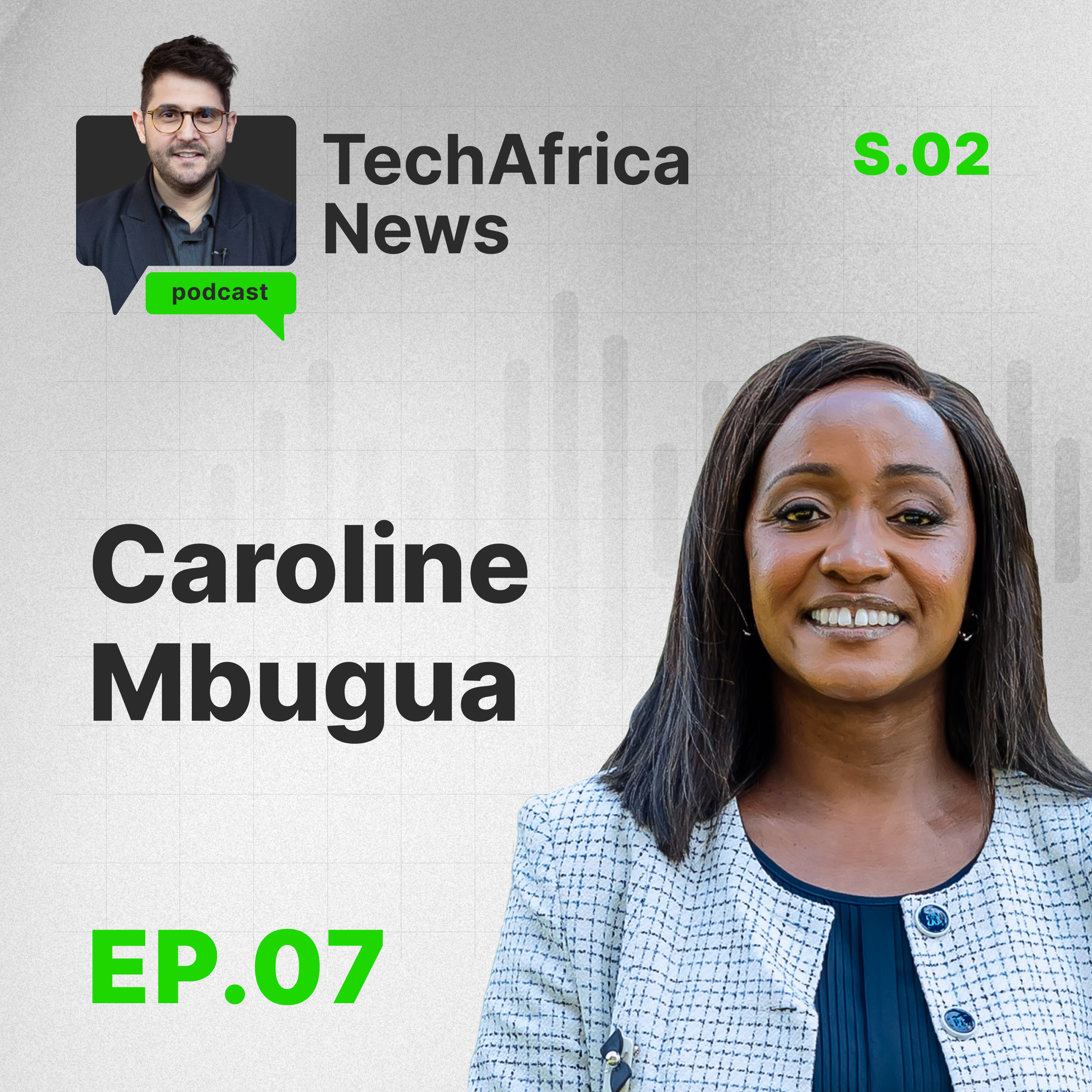
Caroline Mbugua, HSC is Senior Director of Public Policy and Communications at GSMA, the association representing mobile operators worldwide. She leads advocacy with regulators and policymakers on issues like spectrum, taxation, and competition policy to advance connectivity across the continent.
With 17+ years in telecoms, she previously worked at Safaricom in policy and stakeholder engagement, holds an MBA and an LSE public policy background, and carries a Head of State Commendation from Kenya for her ICT contributions.