Airtel Uganda Adds 840 Sites in Two Years, Takes Network to the Skies With Starlink
Sahu said the expansion represents a record pace for the company, which has operated in Uganda for 16 years. He said the new sites were deployed to address gaps in network coverage and service quality.
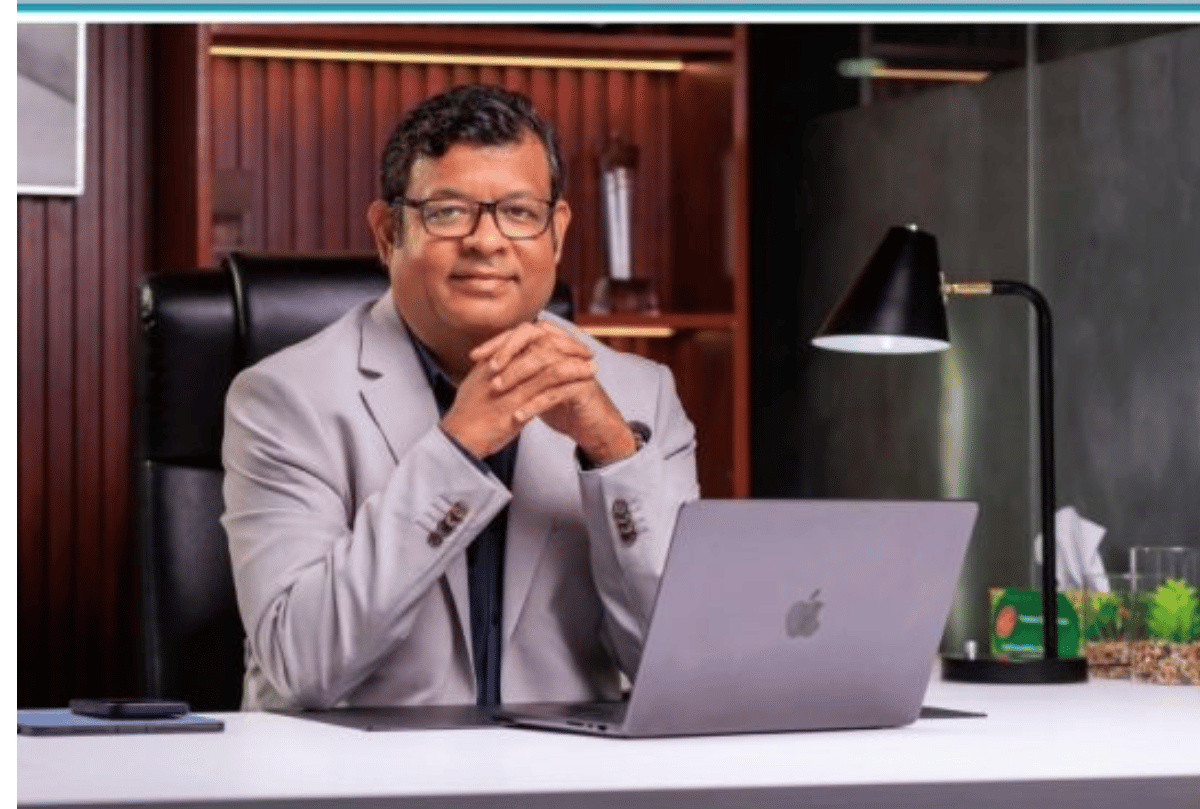
Airtel Uganda has expanded its telecommunications network by approximately 25% over the past two years, deploying 840 new sites and extending connectivity through satellite technology, according to Managing Director Soumendra Sahu.
Sahu said the expansion represents a record pace for the company, which has operated in Uganda for 16 years. He said the new sites were deployed to address gaps in network coverage and service quality.
Sahu, who took charge of Airtel Uganda in December 2024, said the company’s approach to connectivity is centred on giving farmers, traders and students access to digital tools through smartphones, which he described as offices that people can carry in their hands.
Beyond conventional infrastructure, Airtel Uganda has extended its network reach through satellite connectivity. In September 2026, Starlink Mobile went live in Uganda through Airtel, allowing compatible smartphones to connect directly to satellites without requiring a satellite dish or specialised equipment.
Sahu said Airtel was the first operator in East Africa and the second in Africa to launch the direct-to-cell service with Starlink. The service is intended to support basic connectivity in remote locations, including areas around the Rwenzori Mountains, with capabilities such as messaging applications, SMS and one-time passwords for mobile money transactions. It currently supports Android devices, with Apple compatibility expected later.
The managing director said Airtel’s investment priorities reflect Uganda’s youthful population and changing consumer behaviour. With the country’s median age at 16.7 years, he noted that younger customers increasingly favour internet-based services over traditional voice calls.
“Internet is nothing; it is all about capacity,” Sahu said, highlighting the need to expand network capacity alongside coverage. The company is investing in wireless and fibre home broadband, as well as business connectivity services that extend beyond basic internet access. He also emphasised the importance of anticipating emerging cybersecurity and technology risks, including those associated with artificial intelligence.
Sahu identified smartphone affordability and reliable electricity supply as two major challenges to wider digital adoption in Uganda. He estimated smartphone penetration at between 42% and 43%, arguing that the cost of entry-level devices remains a barrier for many potential users.
He called for the removal of import duty and value-added tax on low-cost smartphones, while maintaining that the proposed relief should not extend to premium devices. According to Sahu, making entry-level smartphones significantly cheaper could accelerate adoption.
Power supply is another concern for network expansion. “Network cannot be run without power,” he said, pointing to the cost of solar installations and the environmental and financial burden of diesel generators. He called for improved access to grid electricity near telecommunications sites.
Beyond connectivity, Sahu highlighted Airtel Uganda’s contribution to employment and the wider economy. He said the company directly employs more than 3,000 people, while approximately 300,000 others depend on its operations through agent networks, distributors and business partners. He also described Airtel as one of Uganda’s significant taxpayers.
The company is also involved in community initiatives, including an HIV programme with the Buganda Kingdom and the provision of free internet to more than 400 schools in partnership with UNICEF. Under its Adopt a School programme, Airtel has fully refurbished four schools. It also sponsors 20 students from financially disadvantaged families each year to attend universities, including Makerere University and Mbarara University.
Addressing customer experience, Sahu acknowledged that Airtel’s network still has areas requiring improvement but said the company understands where the problems lie and is working to resolve them. He pledged to deliver what he described as world-class service to customers.