Africa Tech Festival 2026 Day One Recap, Day Two Preview: Building AI Locally, on the Fibre and Data That Can Carry It
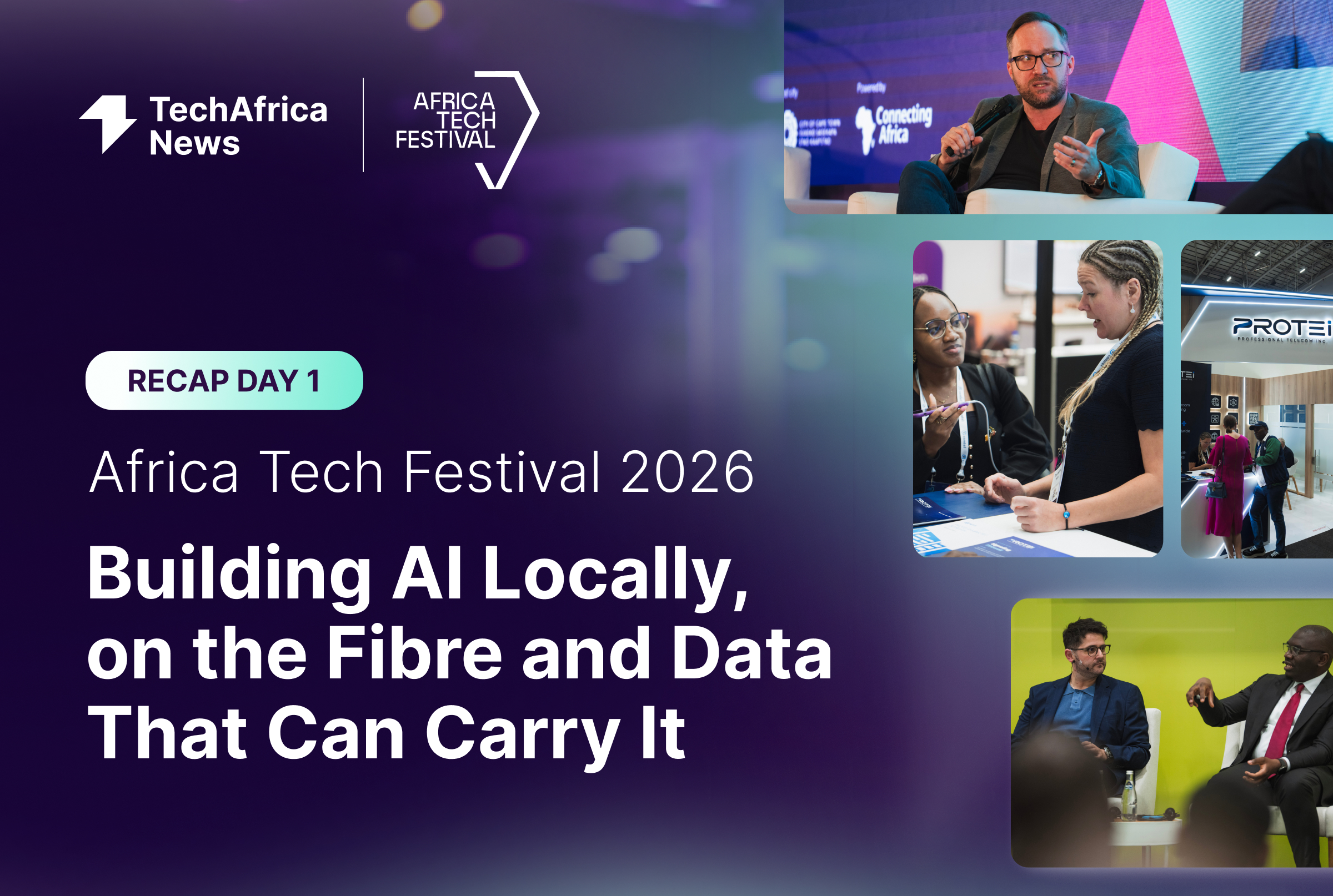
Africa Tech Festival 2026 opened on Tuesday 17 November at the Cape Town International Convention Centre (CTICC), and its first day kept coming back to one point: Africa’s AI ambitions will be decided by fibre, data and governance as much as by the models themselves.
This is the 29th edition of the continent’s longest-running major tech event, formerly known as AfricaCom. The main expo and conference run from 17 to 19 November, with VIP and partner events starting on the 16th. Six pillars shape the programme: Telecoms and Connectivity, Data Centres, Artificial Intelligence, Cybersecurity, Startups and Digital Transformation.
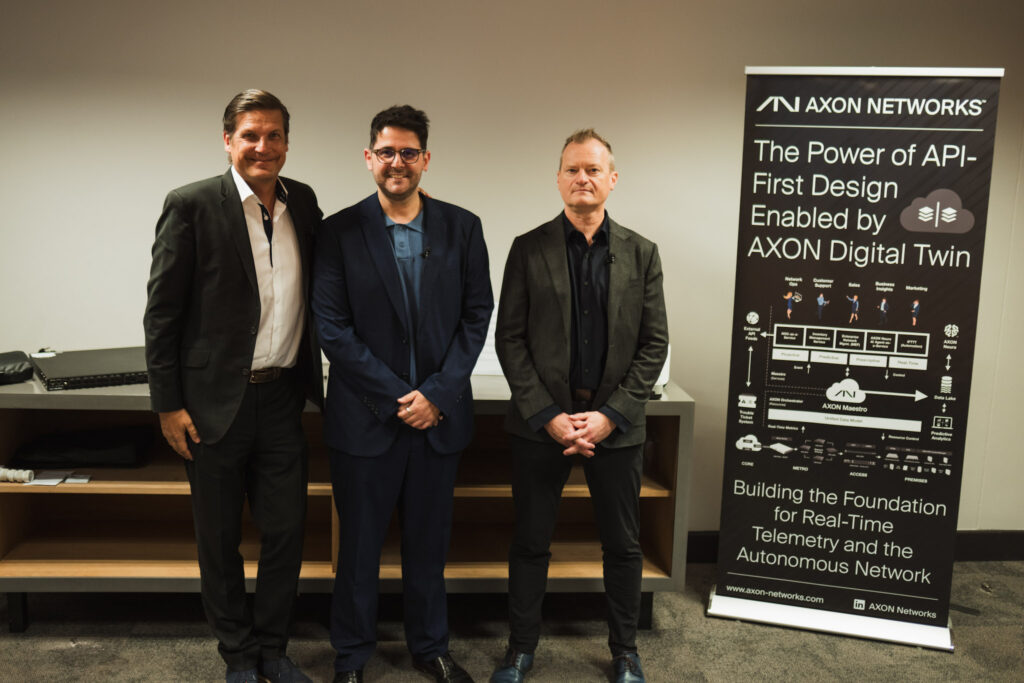
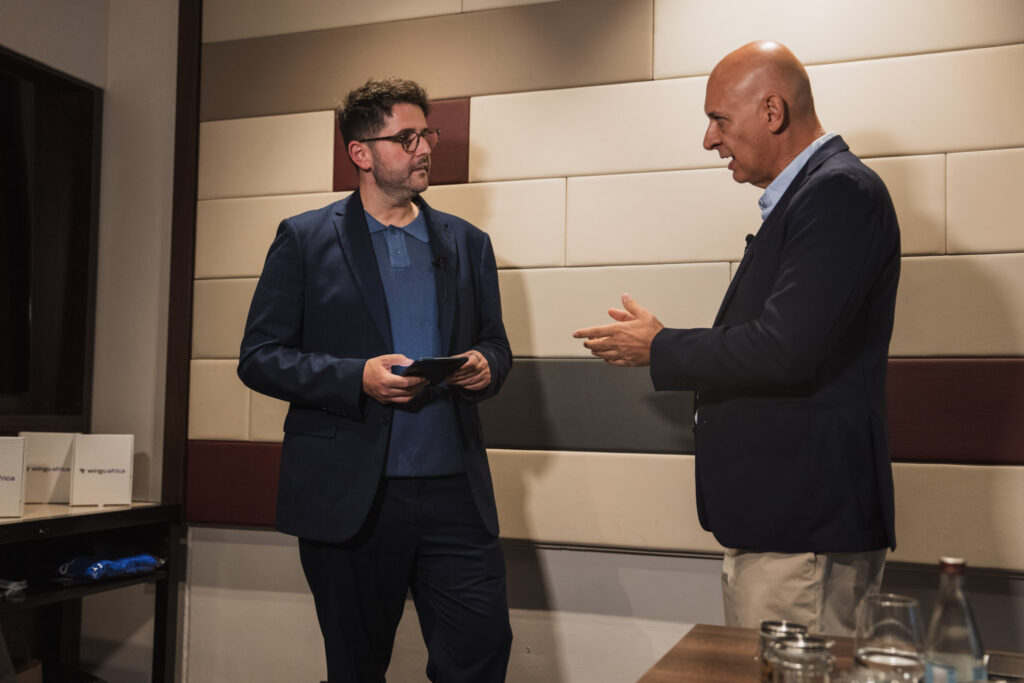
As Official Media Partner, TechAfrica News was on the floor from the first session. Our editors moderated sessions on stage, recorded video interviews with exhibitors and put our “We Asked the Industry” question to leaders across the halls. Here is what Day One delivered.
Opening Highlights: From Consumer to Builder
South Africa’s Deputy President, H.E. Paul Mashatile, delivered a virtual opening address on Tuesday morning and officially declared the festival open. His message was that Africa must move from consuming AI and emerging technology to building and exporting it, with technologies that reflect African realities, languages and priorities rather than systems trained only on foreign data. He tied that to five priorities: future digital infrastructure (data centres, fibre, 5G and sovereign cloud), investment in people and skills, stronger African innovation ecosystems, trust through cybersecurity, data protection and responsible AI, and deeper continental integration through the AfCFTA towards a single digital market.
That framing ran through the rest of the day. The programme put AI first, alongside sessions on the agentic enterprise, fibre, data and governance. New stages this year cover next-generation networks, fibre, data centres and cloud, AI-enabled telco and fintech, next to the main exhibition floor.
On Stage: What the Sessions Said
The Agentic Enterprise: Yango on Taking AI From Experiment to Scale
Our Senior Editor, Joyce Onyeagoro, moderated “The Agentic Enterprise: How AI Is Reshaping How Organisations Think, Decide and Act” with Kadotien Alassane Soro, Country Head of Yango CIV and Director of Francophone Africa Business at Yango. The session opened by framing agentic AI as a governance gap more than a technology gap, since most African enterprises are building these systems for the first time and can design them once rather than unpick 20 years of architecture. Soro explained that agents take steps and complete goals, and at Yango that means navigation that predicts journey time from live traffic, history and road conditions, then corrects itself, saving customers 815,000 hours over the past year.
He said adoption has to be built locally, with local languages, voice-first design and low bandwidth, and that the real gap is scale: 88% of companies say they use AI, yet only about 31% of processes have changed, held back by data, skills and infrastructure. Success, he argued, should be measured by outcomes across efficiency, quality, revenue and risk, not by usage. Yango is backing skills through hackathons with Zindi and the Yango Fellowship, and Soro named data integration and people, not the models, as the biggest challenges.
“Your agentic AI is as good as the system you have access to and the information you have access to.”
– Kadotien Alassane Soro, Country Head, Yango CIV
Fibre as a Catalyst: Airtel Africa on Shared Infrastructure and the B2B Payback
TechAfrica News Founder Akim Benamara moderated “From Infrastructure to Impact: Fibre as a Catalyst for Africa’s Digital Growth” with Daddy Yogo, Group Vice President, Solutions and Architecture at Airtel Africa. Yogo argued that fibre in Africa is built in silos, with every operator laying its own cable, which raises costs and holds revenue per user down. He called for shared infrastructure, with utilities and competing operators agreeing on a cable and its slots, then competing on services.
To shorten payback, Airtel Africa is focusing on business customers such as mining, and oil and gas, with FTTx as a second revenue line. He pointed to road conditions, regulation, customers who will not sign contracts beyond 24 months, and cable theft and cuts as obstacles, and said fibre needs political will to scale.
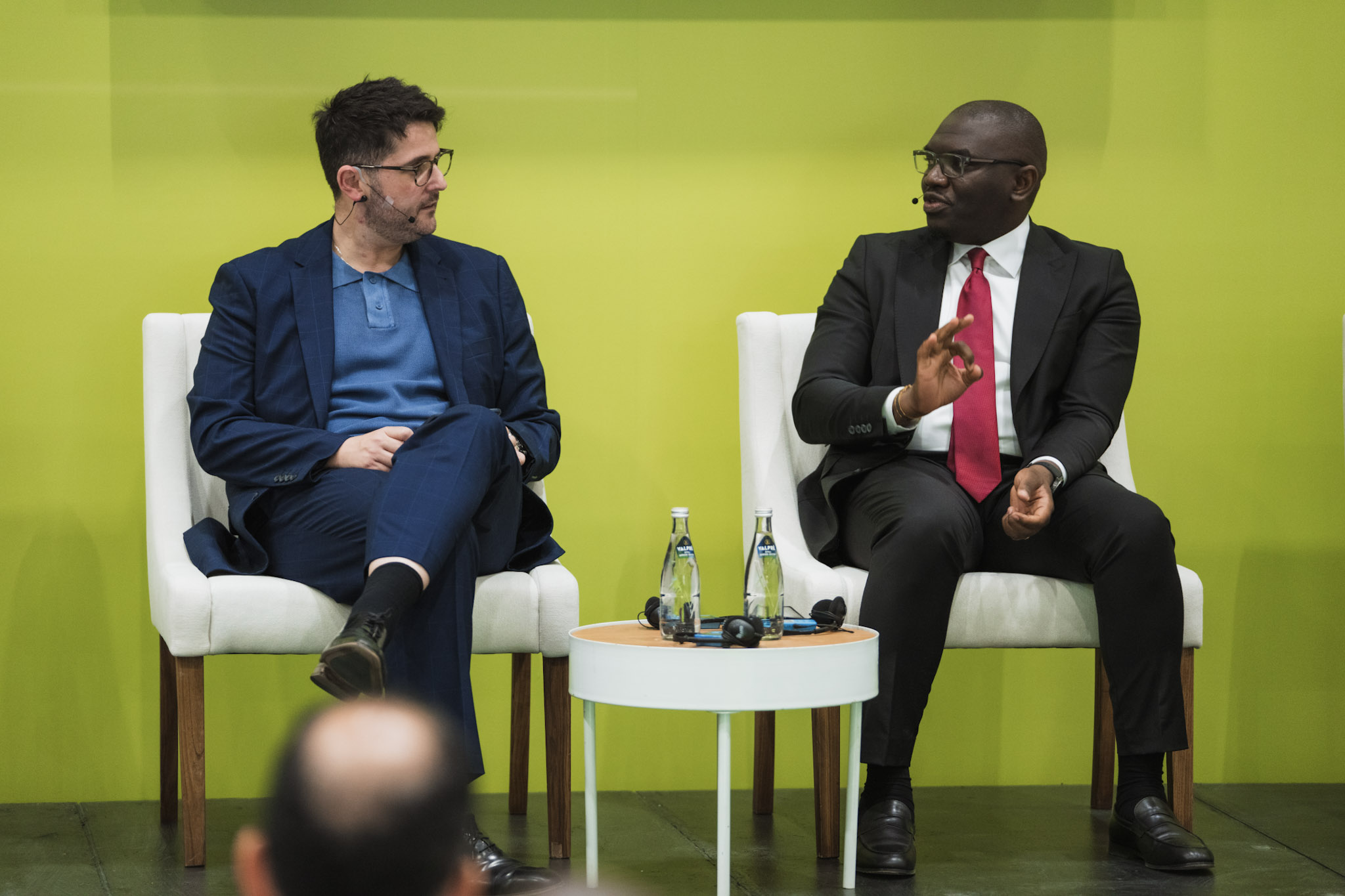
“We need to say, okay, fibre is opportunity and is also the transport to carry all the solution we can bring.”
– Daddy Yogo, Group Vice President, Solutions and Architecture, Airtel Africa
From Data to Decisions: Microsoft on Governing Data and the Agents That Use It
Akim Benamara also moderated “From Data to Decisions: Making Enterprise Data Work as a Competitive Asset” with Siphindokuhle ‘Phindi’ Mazibuko of Bidvest International Logistics and Dean Erasmus, Chief Data Officer for South Africa at Microsoft. Erasmus said most organisations run 20 to 30 data systems, and advised starting with the outcome, identifying which systems hold the data needed, then choosing a platform that is cost-effective, performant and open, matching the cost of moving data to its value.
Governance was his strongest point. Every identity that touches data, whether a person, a bot or an agent, needs one defined by the organisation, and when Microsoft assesses organisations it typically finds 10 to 100 times more agents than they knew they had. He also cautioned that the most revenue-impacting use cases he has found in one organisation is three.
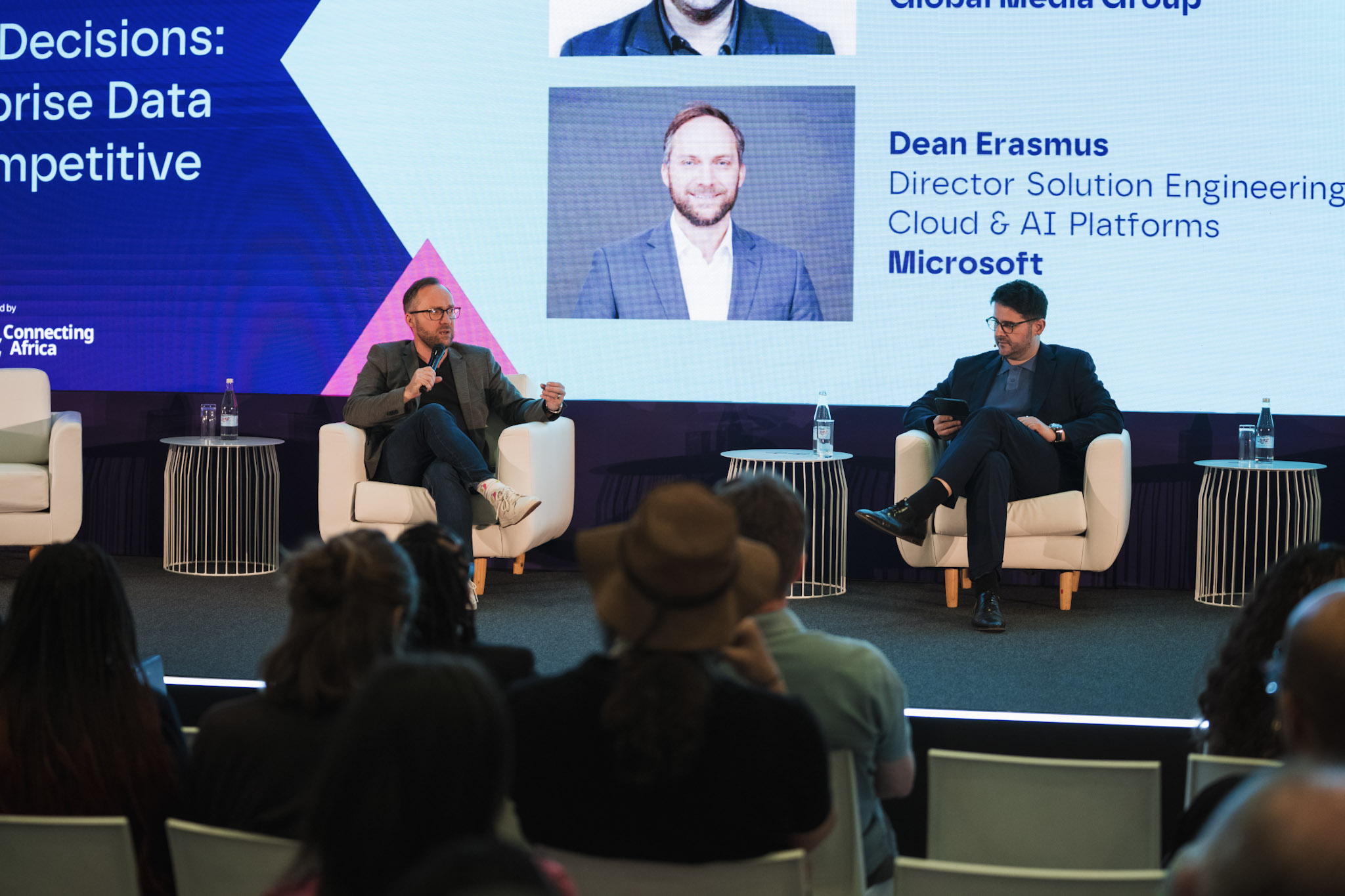
“No agent should be allowed in your environment if it doesn’t have an identity that’s defined by your organization.”
– Dean Erasmus, Chief Data Officer for South Africa, Microsoft
Building AI for Africa: Own the Data, Back the People, Start With Small Business
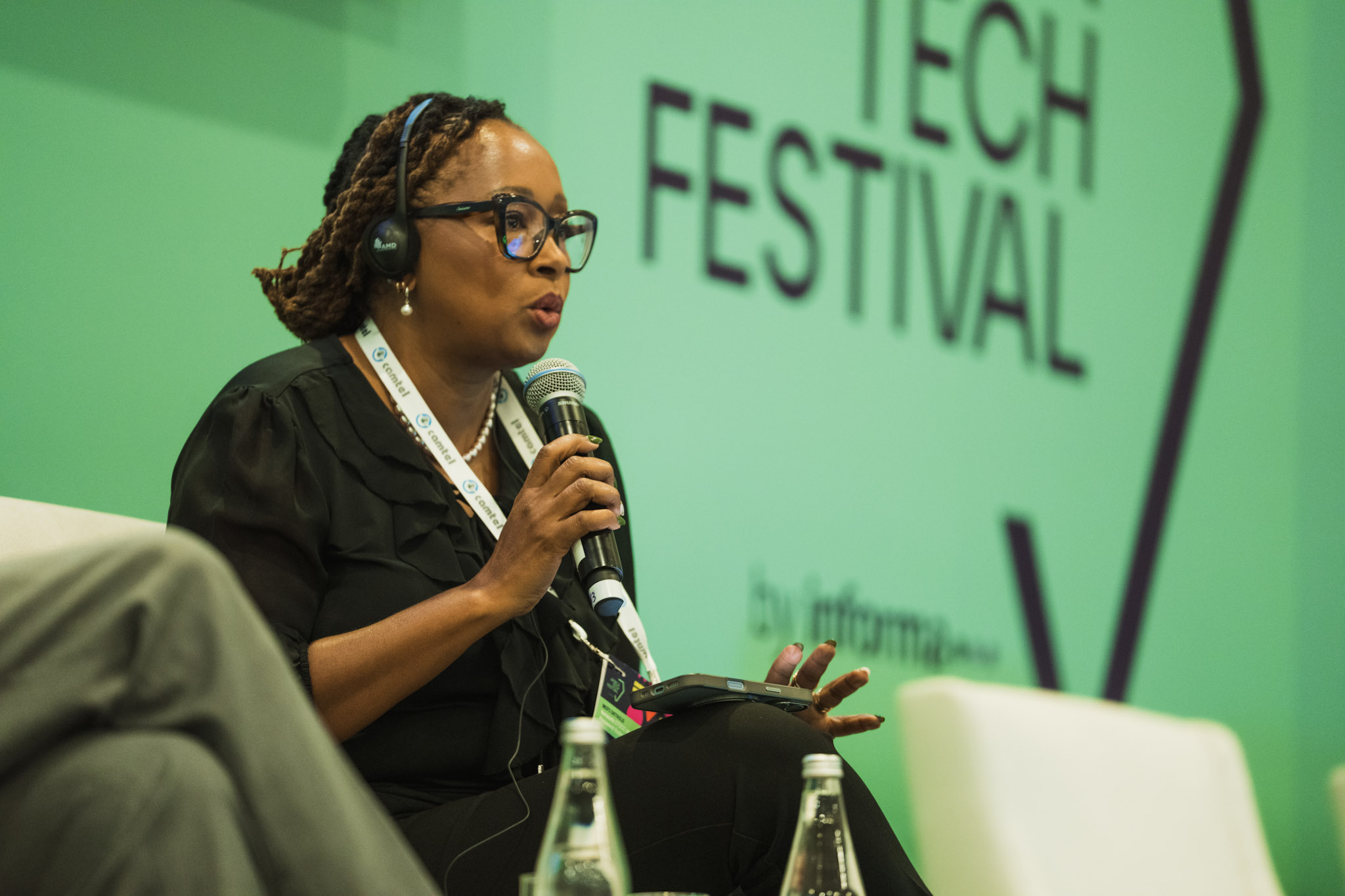
Angela Wamola, Head of Africa at GSMA, moderated the fireside chat “Building AI for Africa: Infrastructure, Governance and the Path to Scale” on Stage 4, with Prince Abudu of Cassava Technologies, H.E. Amb. Marie Rose-Quatre of the African Peer Review Mechanism and Kenfield Griffith of Tappi.
Angela put the ATLAS Umoja AI question to Griffith, framed around African languages at scale, built by Africans in Africa, and asked what makes such technology relevant and sustainable for businesses. He said small businesses lack the marketing, sales and finance teams of large ones, and AI can fill that gap with data already sitting on their phones: who the best customers are, how often they come and what they spend, so owners can bring them back in a slow season. Language models, he added, now let owners talk to that data by voice. The session closed with a call for collective effort on power, infrastructure and connectivity to meet the Agenda 2063 goals.
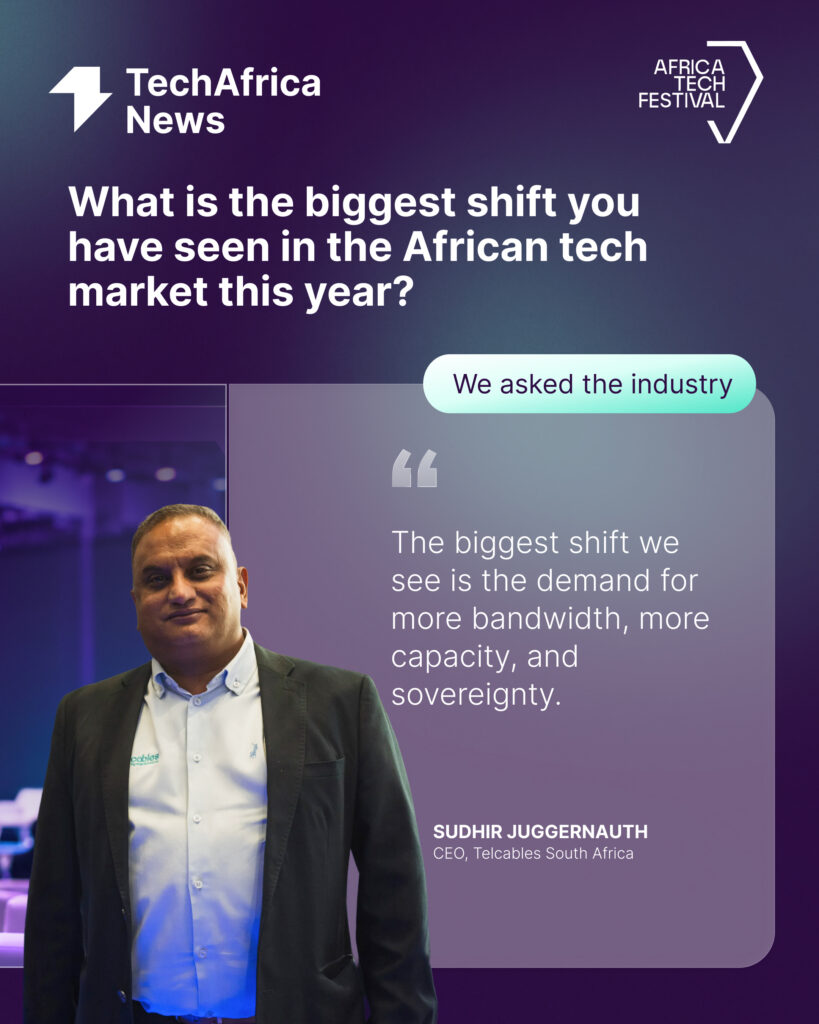
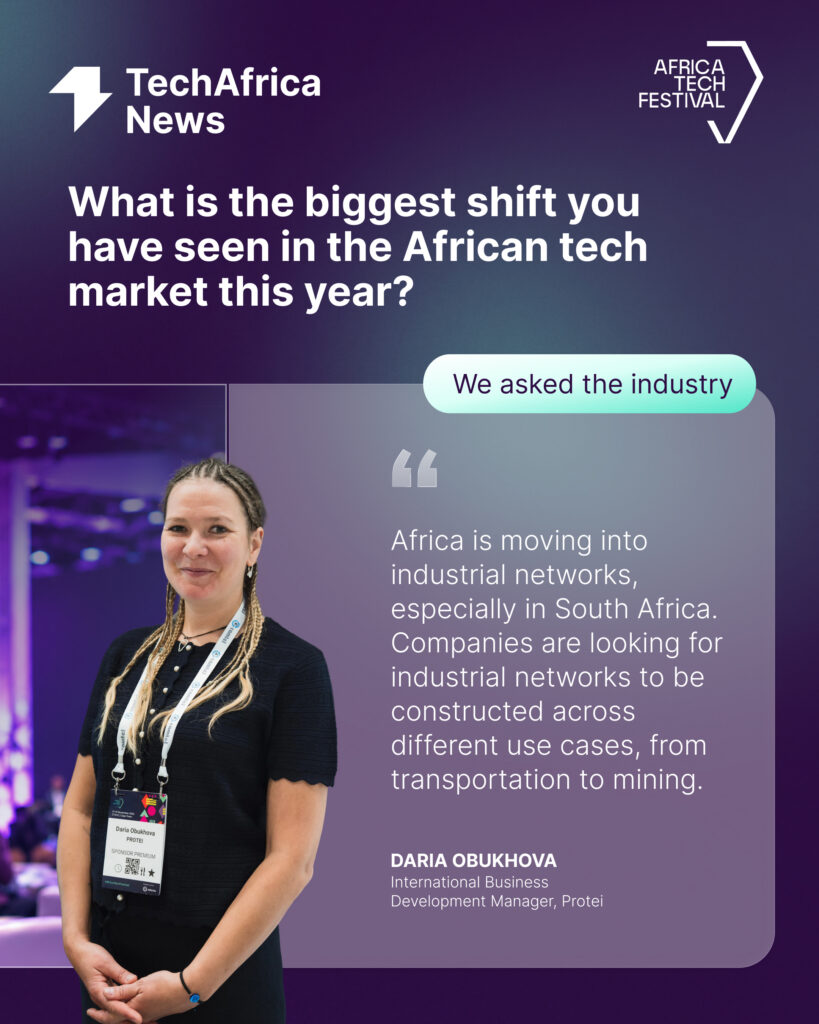
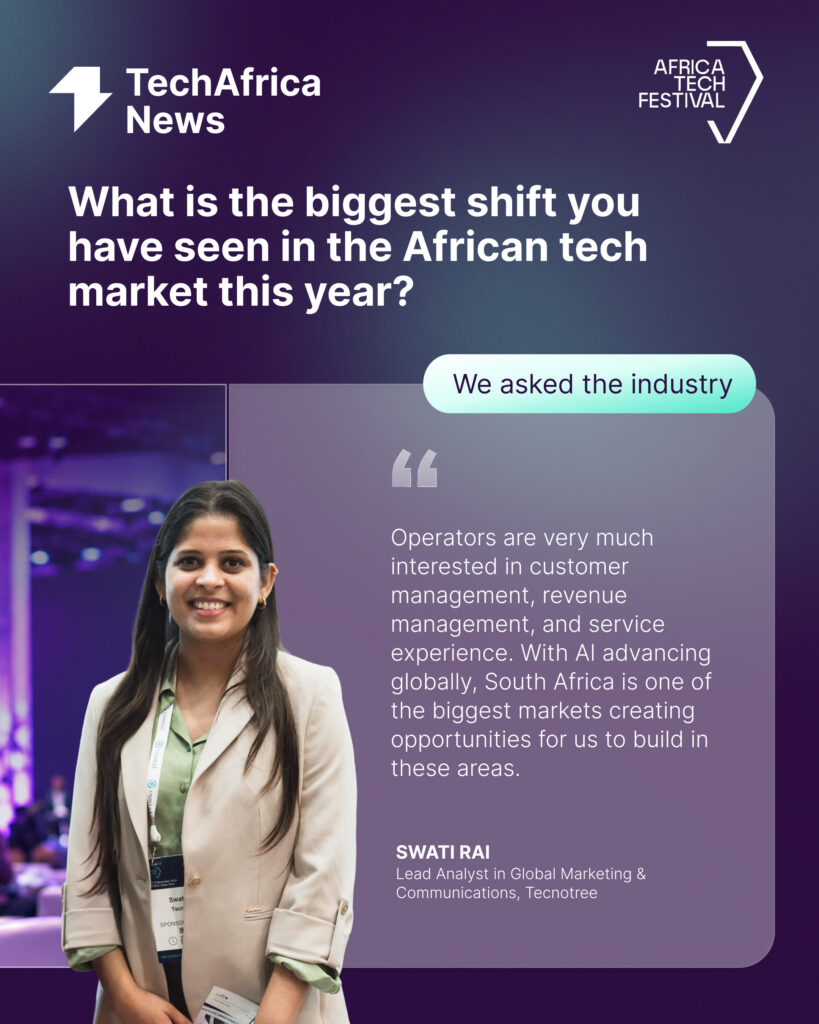
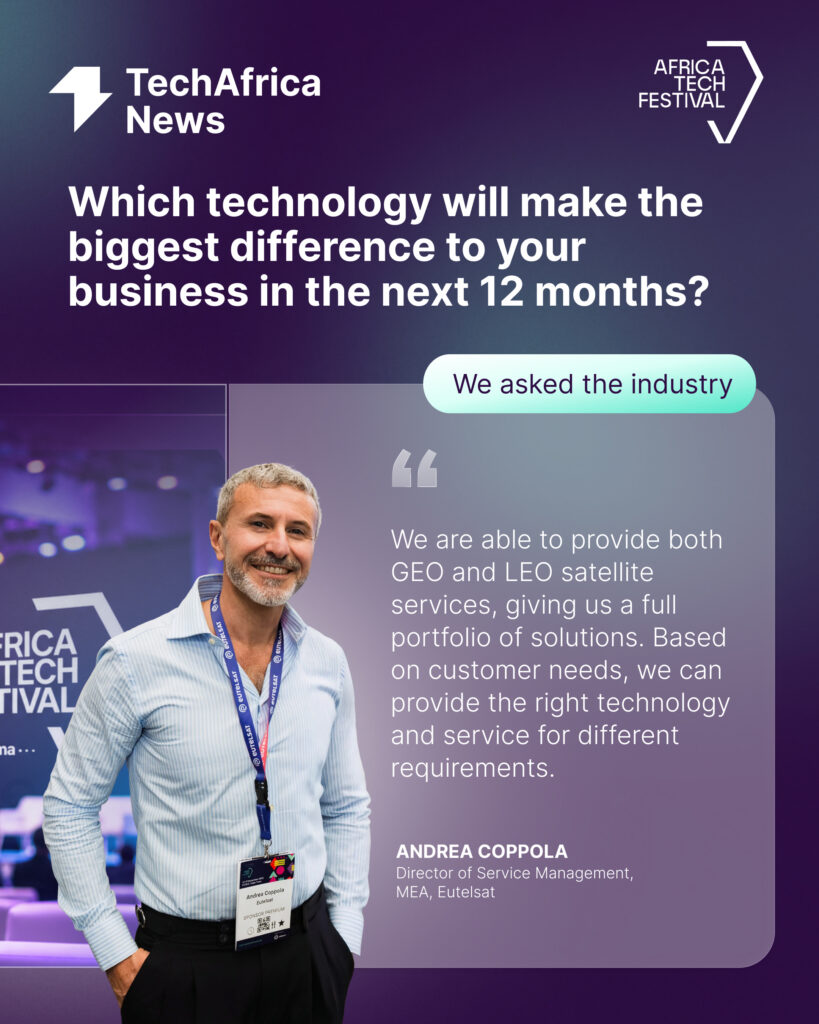
We Asked the Industry
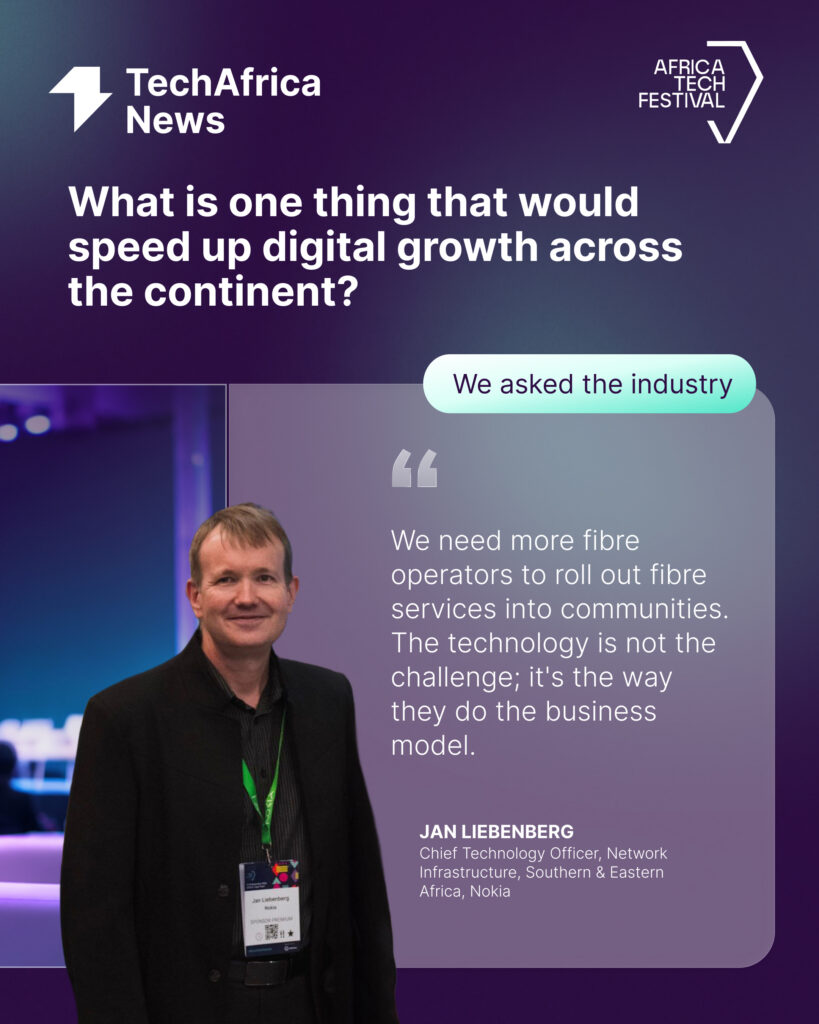
Our editors walked the exhibition floor on Day One and put key industry questions to the people building Africa’s networks, platforms and services. Here are the first voices, and the full set of responses and survey results will feature in our post-show report.
Beyond the Stage: On the Exhibition Floor
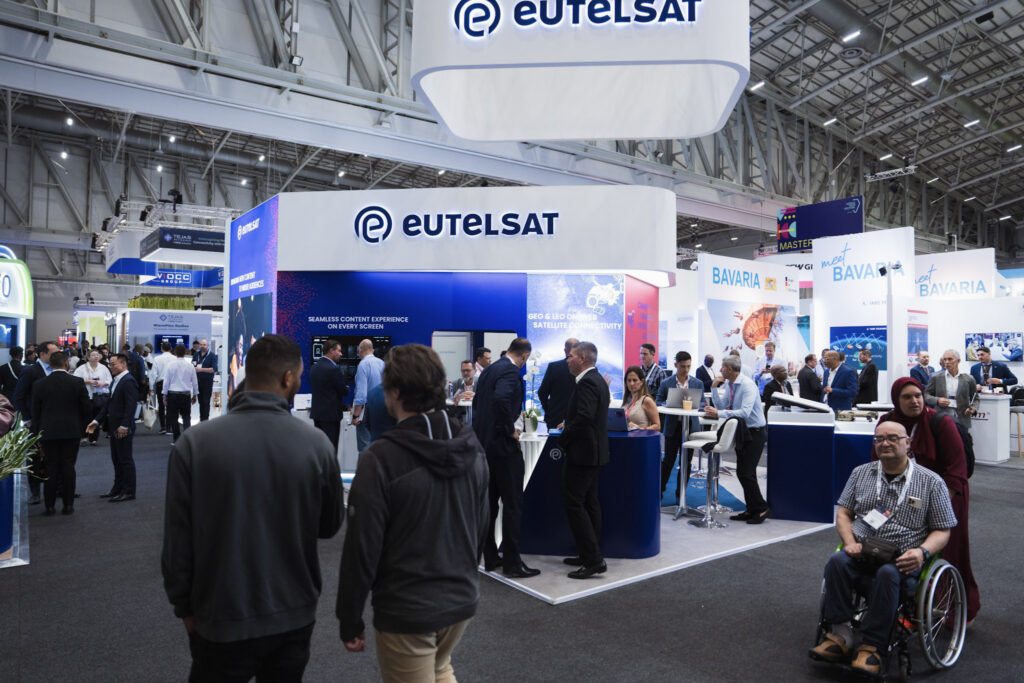
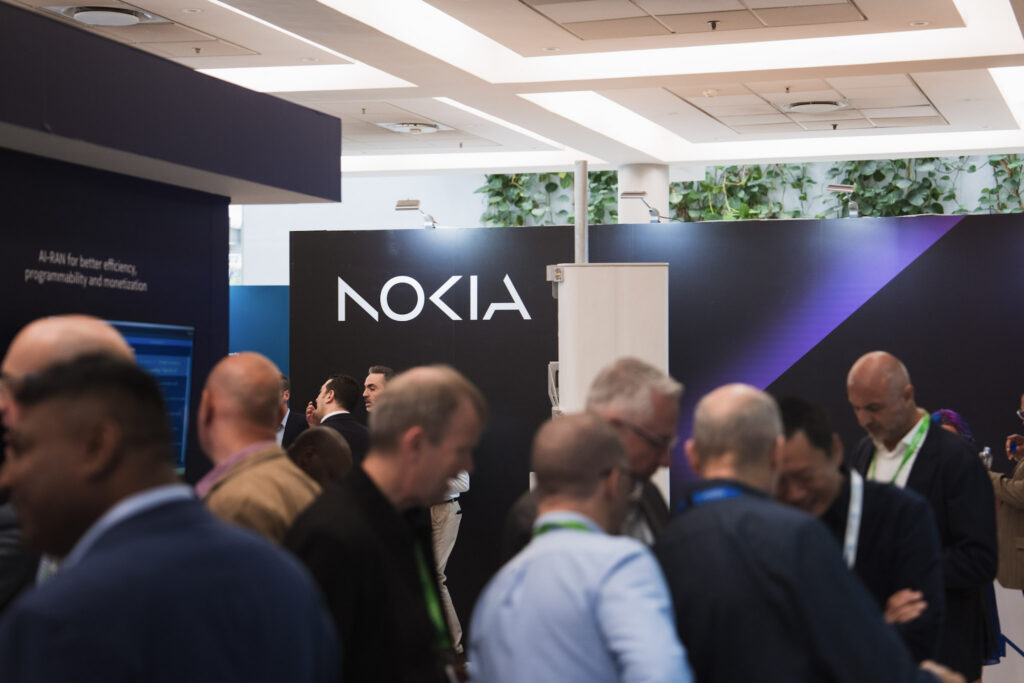
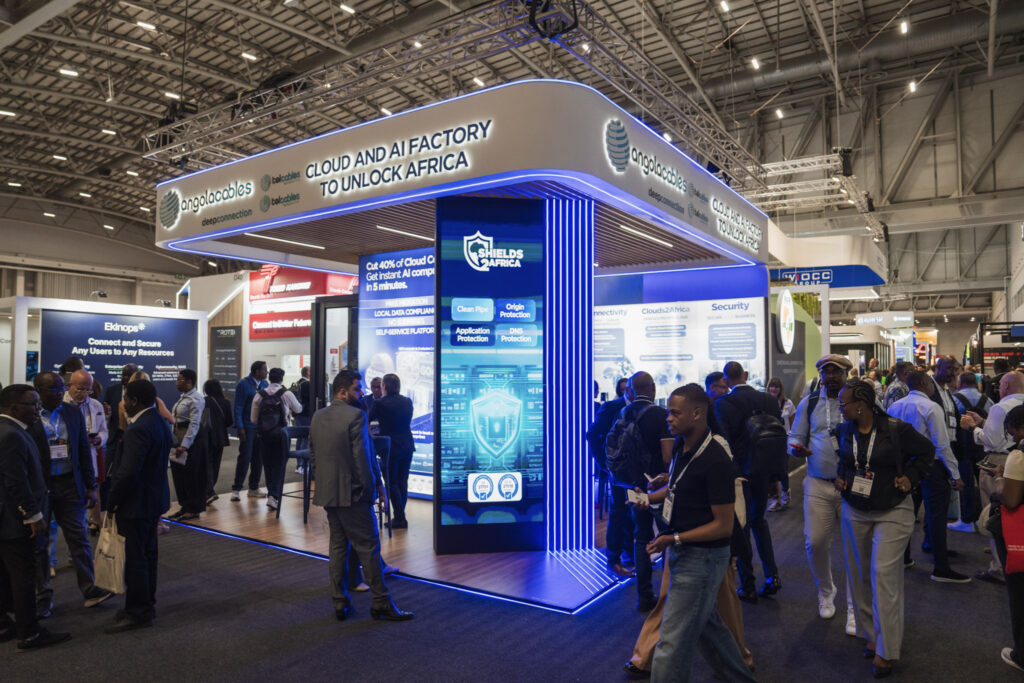
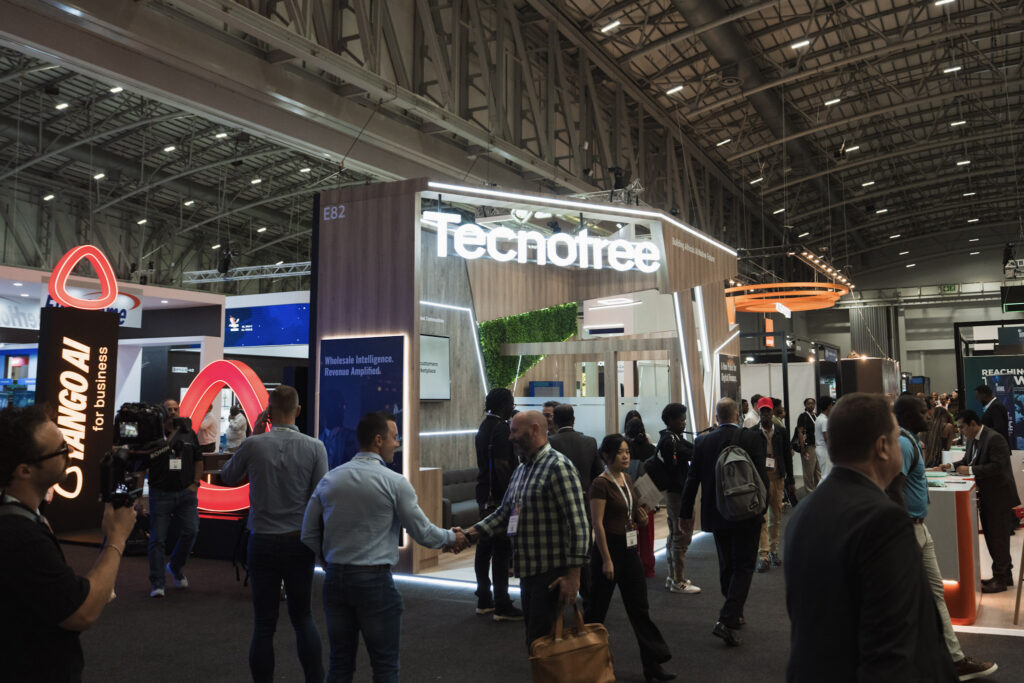
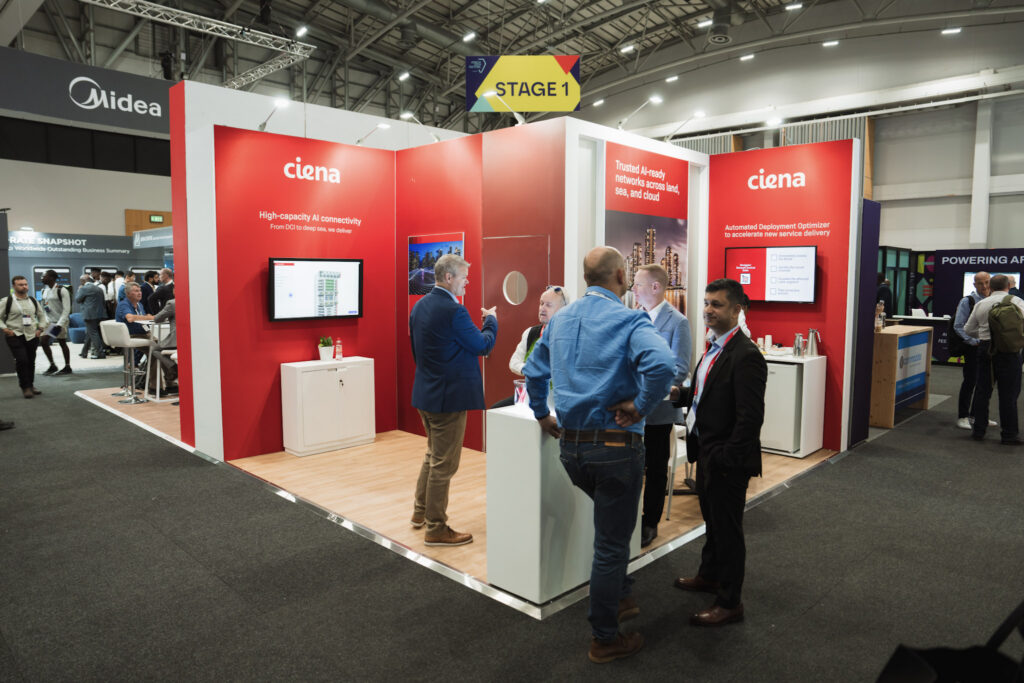
Exhibitors are still on the ground at the CTICC, with the show running until 19 November. Day One brought a product launch from Click Mobile and conversations across fibre, satellite, data centres, telecom software and AI, and we will keep adding to our coverage as the festival continues. See our full exhibitor spotlights.

Click Mobile Launches Its App for Travel eSIMs and International Airtime
The day’s launch came from Click Mobile, the pan-African mobile technology company founded in Malawi in 2010. It introduced the Click Mobile app, which brings travel eSIM data and international airtime into one platform covering more than 200 countries and over 800 networks. Travellers download the app, choose a destination and a data plan, then install the eSIM, and they can set it up before departure and activate it on arrival while keeping their main SIM for calls. The app also lets users top up any mobile number on any network in more than 200 countries.
The launch comes as eSIM adoption grows across Africa, with the technology introduced in recent years in markets including Rwanda, Zambia, South Sudan and Namibia.
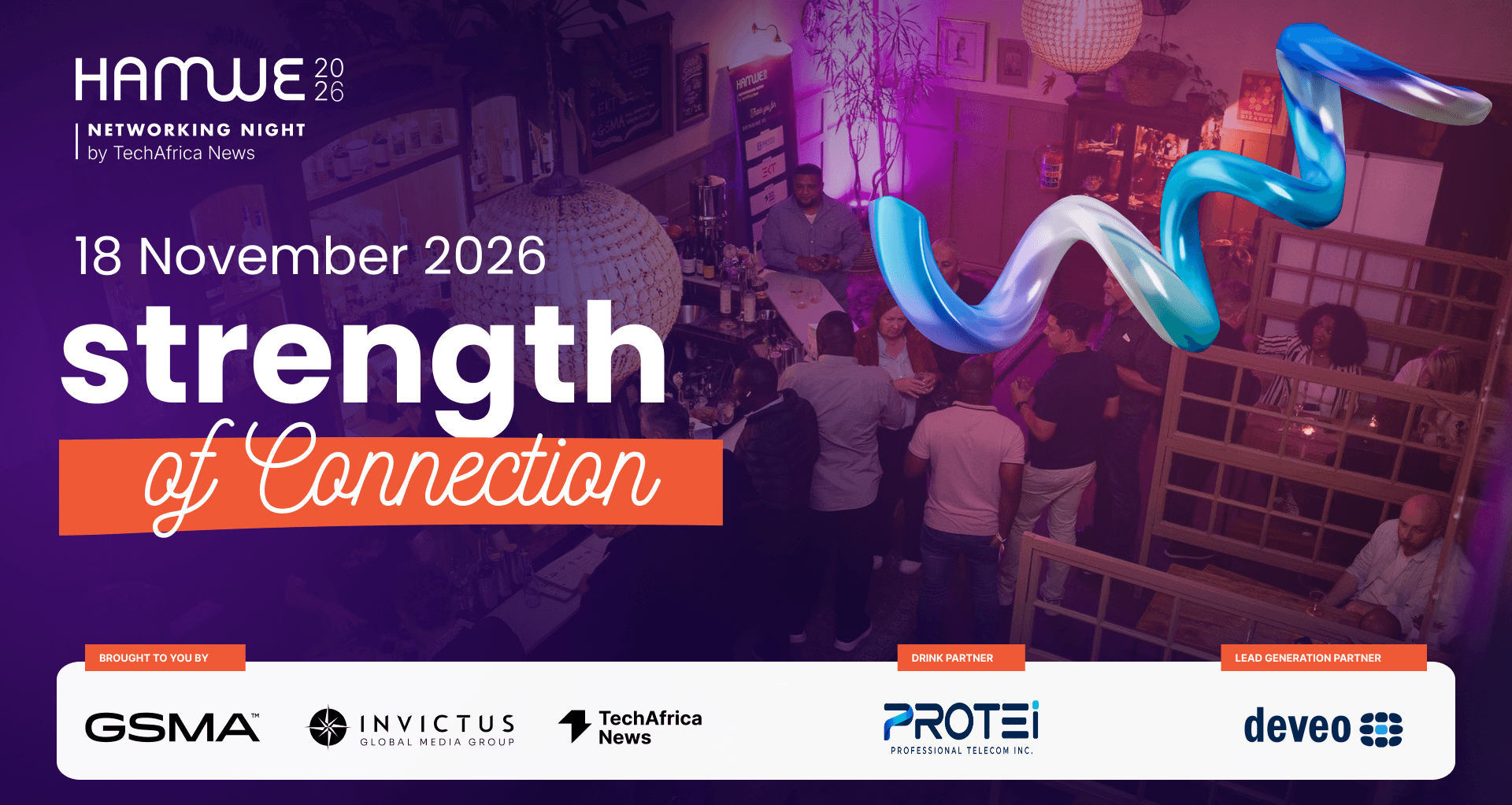
Let’s Say Cheers at Hamwe Networking Night 2026!
Tonight, from 19:00 to midnight, the fifth edition of Hamwe Networking Night takes place at The Gin Bar, 64A Wale Street, hosted by Invictus Global Media Group, GSMA and TechAfrica News, with PROTEI as Drinks Partner and DEVEO as Lead Generation Partner.
Register to join us.
Day Two: Sessions Not to Miss
Day Two of Africa Tech Festival is under way at the CTICC. These are the sessions we recommend:
- Fireside Chat: Governing the AI Economy: Balancing Innovation, Trust and Partnership | 10:05 to 10:25
Governments and technology companies are working out how to encourage AI innovation while keeping it safe, trusted and accountable. This conversation looks at how policymakers and global AI companies can share regulatory experience and build the partnerships that responsible AI adoption at scale needs.
Speakers: Emmanuel Lubanzadio, Africa Lead, OpenAI; Balkissa Idé Siddo, Senior Director, Public Policy, Sub-Saharan Africa, Meta
- From AI Ambition to AI Factories: Building Africa’s Next Growth Engine | 14:40 to 15:00
Building AI capability in Africa depends on infrastructure that supports developing and deploying AI locally. NVIDIA and Vertiv examine how accelerated computing, power, cooling and scalable data centre infrastructure can enable AI factories, strengthen sovereign AI ambitions and open opportunities for local developers, enterprises and investors.
Speaker: Wojtek Piorko, Managing Director Africa, Vertiv
- Regulator Q&A: AI Governance for Customer Data: Building Trust, Compliance and Growth | 16:20 to 16:40
As AI opens new uses for customer data and personalisation, telecom operators must keep up with evolving privacy laws and regulation. Industry and policymakers discuss how data protection frameworks, consent requirements and emerging AI regulation can balance customer trust, innovation and responsible data use across African markets.
Speaker: Siyanda Nkamisa, Executive: Regions and Consumer Affairs, ICASA
Moderator: Akim Benamara, Founder, TechAfrica News and Invictus Global Media Group
Follow the Festival With Us
Day One set the terms for the next two days: AI that is built and governed locally, on infrastructure and data that can carry it. TechAfrica News will be on the ground through 19 November with interviews, session coverage, exhibitor spotlights and more “We Asked the Industry” answers. Exhibiting, launching a product or announcing a partnership? Contact our editorial team at newsroom@techafrica.news.