Microsoft Launches Copilot Fall Release, Redefining AI as a Human-Centered Companion
The update represents Microsoft’s broader vision to make AI serve people, not the other way around.
Microsoft has unveiled its Copilot Fall Release, marking a significant evolution in artificial intelligence focused on personalization, human connection, and real-world usefulness. The update represents Microsoft’s broader vision to make AI serve people, not the other way around.
According to Mustafa Suleyman, CEO of Microsoft AI, the new release embodies a shift toward optimism in the AI space—away from hype and fear, and toward trust and empowerment. He emphasized that Copilot is designed to amplify human creativity and judgment, helping people make better decisions, think more clearly, and connect more meaningfully.
At its core, Microsoft’s Copilot is now envisioned as a true AI companion—one that learns, adapts, and remembers, while respecting user context and control. It is built to “give time back” to users by handling repetitive or complex tasks, enabling them to focus on what matters most.
The release introduces several major innovations, including Copilot Groups, which allow up to 32 users to collaborate in real time through shared brainstorming, planning, and study sessions. The Imagine feature expands creative collaboration, letting users explore and remix AI-generated ideas in a dynamic community setting.
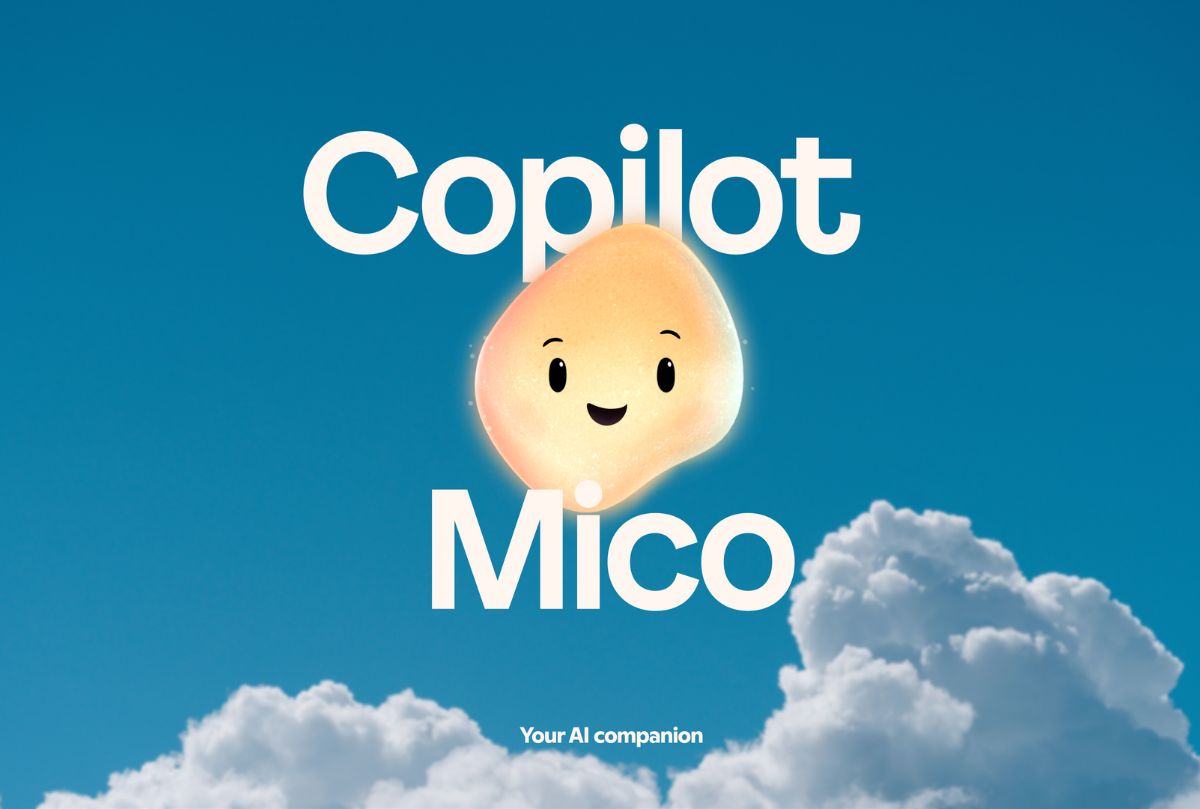
A new visual identity, Mico—short for Microsoft Copilot—adds warmth and personality to interactions. Mico reacts to user cues with animations and expressions, making conversations more natural and engaging. Copilot now also features deeper memory and personalization, allowing it to recall previous interactions, preferences, and important events, all with full user control to edit or delete stored data.
Microsoft has further expanded Copilot’s integration across services like OneDrive, Outlook, Gmail, Google Drive, and Calendar, enabling unified access to files and messages through simple natural-language prompts. New Proactive Actions help users stay organized by surfacing insights and suggesting next steps based on activity history.
The update also extends Copilot’s utility in health and education. With Copilot for Health, users can access information grounded in reliable sources such as Harvard Health and receive guided doctor recommendations based on specialty and preferences. Meanwhile, Learn Live transforms Copilot into an interactive tutor that uses voice, visuals, and a Socratic teaching style to deepen learning experiences.
In addition, Copilot Mode in Edge now allows the browser to reason over open tabs, summarize data, and even perform tasks like bookings and form submissions with user consent. Copilot on Windows 11 transforms every PC into an “AI PC,” offering real-time assistance, file summarization, and voice activation with the command “Hey Copilot.”
Microsoft’s in-house AI models—MAI-Voice-1, MAI-1-Preview, and MAI-Vision-1—power these new features, delivering faster, smarter, and more immersive experiences.
Suleyman summed up the company’s mission succinctly: “Technology should work in service of people—never the other way around.” The Copilot Fall Release, he said, embodies that promise by making AI more personal, collaborative, and trustworthy, setting a new benchmark for how technology can elevate human potential.