Mozambique’s Communications Regulator Marks Major 2025 Milestones in Connectivity and Digital Inclusion
Data presented at the XIX 2025-2026 Balance and Planning Meeting, held in Inhambane from 3 to 5 December under the theme “Promoting Communications for an Inclusive and Sustainable Digital Ecosystem”, underscore the achievements across regulation, connectivity, consumer protection, security, resource management, and international cooperation.
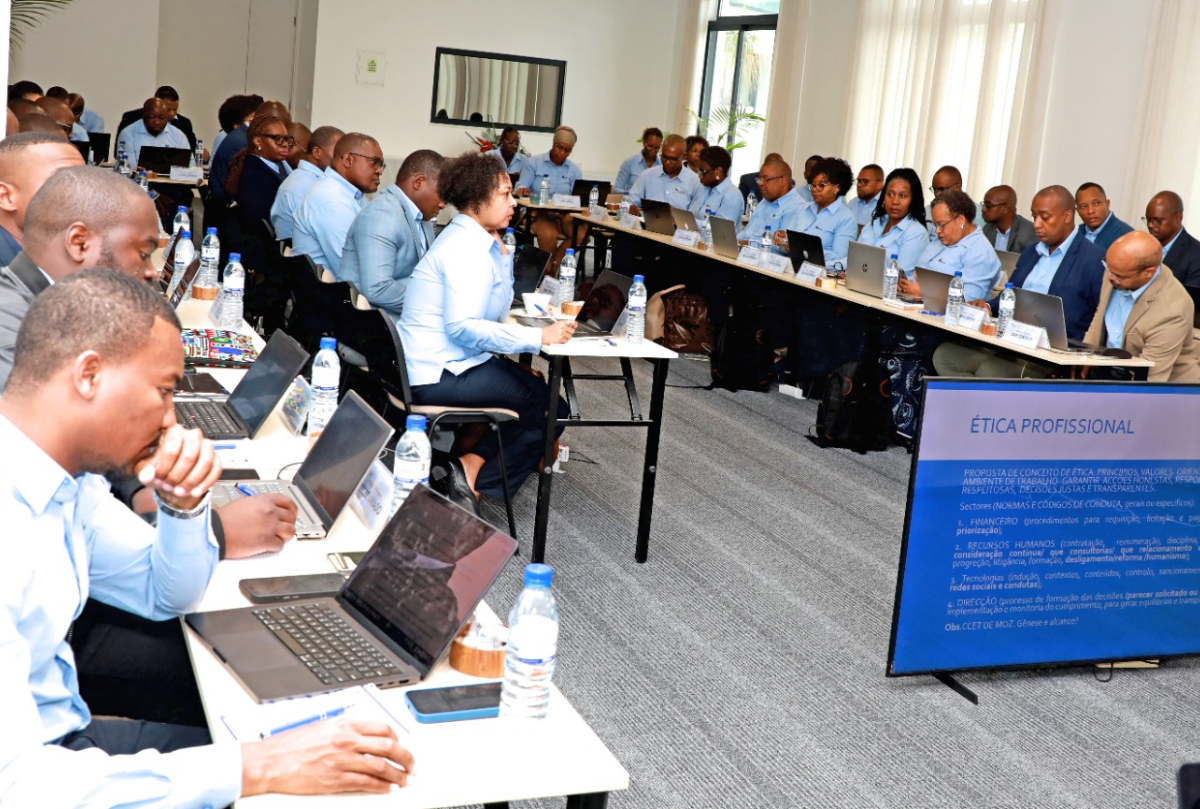
The Communications Regulatory Authority of Mozambique (INCM) reported substantial progress across multiple strategic areas in 2025, highlighting the regulator’s commitment to promoting an inclusive and sustainable digital ecosystem. Data presented at the XIX 2025-2026 Balance and Planning Meeting, held in Inhambane from 3 to 5 December under the theme “Promoting Communications for an Inclusive and Sustainable Digital Ecosystem”, underscore the achievements across regulation, connectivity, consumer protection, security, resource management, and international cooperation.
Strengthening the Regulatory Framework
In 2025, the regulatory landscape was enhanced with the approval of several key measures, including the National Roaming Regulations, the Universal Access Service Fund, the Postal Sector Development Strategy, and the Traffic Control Regulation. Additional provisions on dispute resolution and consumer protection in the communications sector are under consideration, alongside six other regulations nearing finalization.
Connectivity and Digital Inclusion
The INCM prioritized digital inclusion and network expansion, connecting over 200 schools through the Internet in Schools Project and upgrading 12 Digital Squares with modern technology. The regulator also awarded a tender for the installation of 60 telecommunications antennas in previously unconnected locations and launched a new tender for Digital Squares operational management. Notable achievements include the inauguration of the Technological Incubator – ThinkLab – and a cybersecurity laboratory in Nampula province.
Management of Scarce Resources
To advance mobile connectivity, INCM is promoting 5G technology deployment in all provincial capitals and expanding 4G coverage nationwide starting in 2026. This year, the authority replaced the 5G spectrum auction with an administrative consignment model, allowing strategic allocation of frequency bands while ensuring digital inclusion and operator coverage obligations.
Consumer Safety and Security
The newly established Telecommunications Security Incident Response Team (ERIST) began strengthening network security across the country. Work is also underway to study voice, data, and SMS tariffs to inform regulatory measures aimed at protecting consumers and promoting competition.
Inspection and Enforcement
Inspection activities intensified in 2025, with 98 site visits, 45 legal processes, seizure of 25 non-approved devices, and the revocation of 863 licenses, including 25 radio broadcasting stations and 833 radiocommunications stations. Enforcement efforts focused on infrastructure protection, tariff compliance, equipment approval, consumer protection, and resolution of harmful interference.
International and Regional Cooperation
INCM strengthened its international presence by signing a Memorandum of Understanding with Brazil’s ANATEL and hosting regulators from Cape Verde and Eswatini to discuss sector development and regulatory harmonization. Regional collaboration included joint spectrum monitoring with South Africa, Malawi, Eswatini, and Zimbabwe. INCM also played a leading role in the International Telecommunication Union and the African Union, contributing to global telecommunications decision-making and conference preparations.
National Initiatives
On the national front, the INCM implemented the Big Data Project to enable geolocated emergency alerts via SMS and IVR. The authority also advanced educational partnerships, including a memorandum with Eduardo Mondlane University to design and fund Telecommunications Engineering Bachelor’s and Master’s programs starting in 2026.
Planning for 2026
Looking ahead, INCM’s 2026 strategic plan is guided by seven pillars: Connectivity for All, Innovation and Technological Development, Accessibility and Sustainability, Consumer Protection, Security and Resilience, Strengthening the Regulatory Framework, and Institutional Strengthening. These pillars aim to enhance national development, foster social inclusion, and boost the competitiveness of Mozambique’s digital economy.