Burkina Faso Introduces Digital System to Enhance Transparency in Public Spending
The platform also improves financial oversight by ensuring better traceability and rational management of expenditures related to official travel.
Burkina Faso has taken a major step toward modernising its public administration with the launch of the e-Dimaakia digital platform, designed to digitise the management of official missions and improve transparency in public spending.
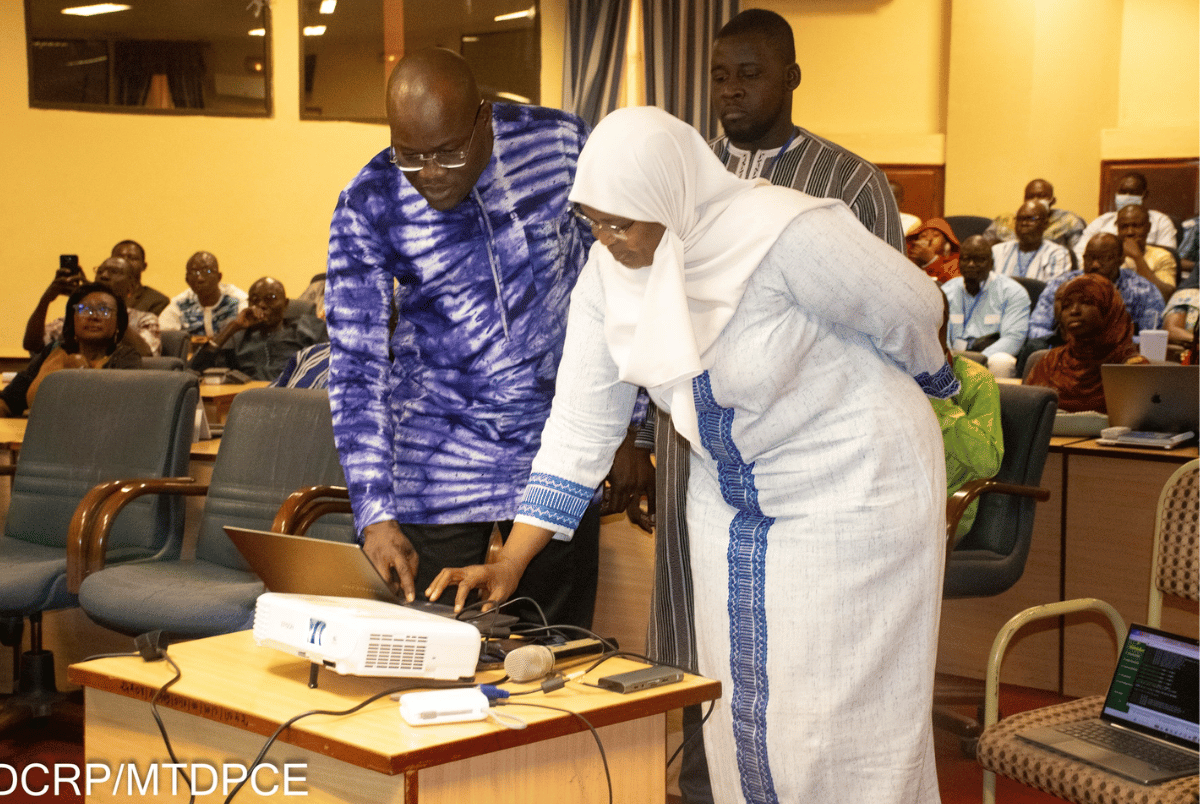
The platform was officially launched on March 24, 2026, in Ouagadougou by the Minister of Economy and Finance, Aboubakar Nacanabo, alongside the Minister of Digital Transition, Postal and Electronic Communications, Aminata Zerbo/Sabane. It represents a significant shift from manual processes to a fully automated system within the public sector.
With the introduction of e-Dimaakia, all official travel bookings, including the purchase of plane tickets at the expense of the state, must now be processed through the platform. The system is intended to streamline procurement procedures and eliminate inefficiencies associated with traditional methods.
According to the Director General of Public Procurement and Financial Commitment Control, Alfred Thiombiano, the platform enhances the selection process by automatically identifying the most competitive offers, while ensuring transparency, fairness, and accountability in public transactions.
The platform also improves financial oversight by ensuring better traceability and rational management of expenditures related to official travel. It is part of broader efforts by the government to ensure that public funds are used efficiently and can be properly tracked.
Officials emphasized that the innovation aligns with national directives aimed at strengthening fiscal discipline and optimising public spending. Public servants have been encouraged to adopt the platform as a daily tool to promote efficient and responsible governance.
Developed locally, e-Dimaakia forms part of Burkina Faso’s broader digital transformation agenda and its priority development initiatives. It reflects the government’s commitment to using technology as a key driver for administrative reform, transparency, and modern governance in the public sector.