Africa’s $76B Network Investment Will Go Further When Risk Comes Down, Says GSMA’s Caroline Mbugua
Operators have already pledged $76 billion for African network infrastructure through 2030. Mobile added $240 billion to the continent’s economy last year, 7.8% of GDP, and GSMA expects that to hit $290 billion by decade’s end. The capital keeps showing up.
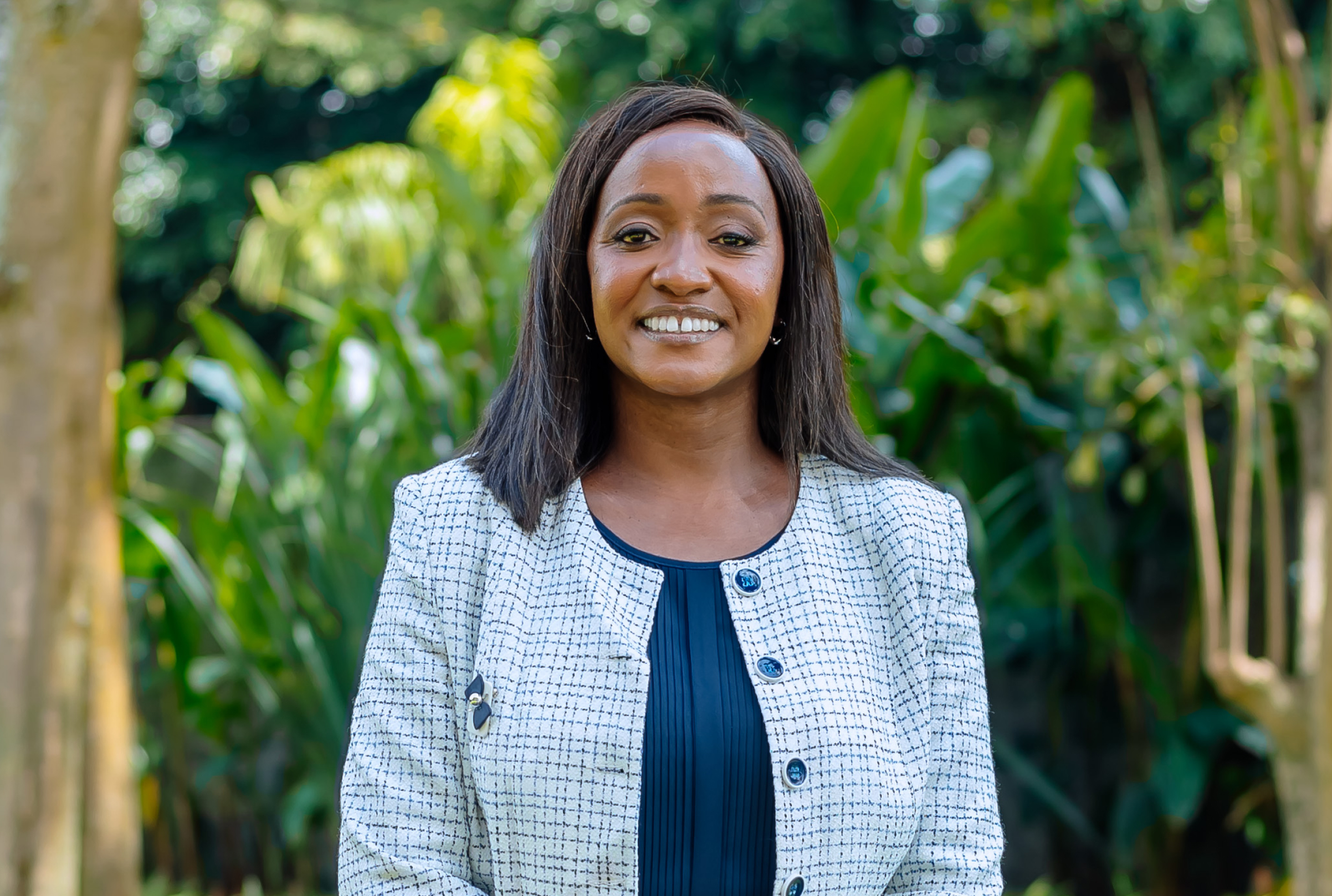
The problem, Caroline Mbugua, GSMA Africa’s Senior Director of Public Policy and Communications, wrote in a recent piece, is what happens after it arrives. Close to a billion Africans live within reach of a signal and stay offline anyway, leaving networks built but underused, and every investor watching that gap prices it as risk on the next round of capital.
That risk, she argues, sits in four places, finance ministries, regulators, operators and the banks that fund them, and most of it is cheap to fix.
Device taxes are the biggest lever nobody pulls. Handsets already eat up to 80% of monthly income for the poorest users, and $20 billion of the $45 billion the sector paid African governments last year came straight from VAT and duties on phones. When South Africa scrapped a 9% excise duty on entry-level smartphones in April 2025, sales jumped 80% in eleven months and feature phone sales fell 87%, adding roughly 1.1 million smartphones onto networks that were already built and paid for. That is the cheapest growth the industry will ever get, and it cost the treasury nothing.
Spectrum pricing tells the same story. Developing markets pay triple what developed ones do for spectrum, once income is factored in, and the gap shows up directly on coverage maps: markets that priced spectrum fairly reach up to 16 percentage points more people. Nigeria proved the fix works, waiving fibre right-of-way fees in eleven states and capping them in seventeen more, unlocking over $1 billion in new rollout commitments in the process.
Even the lenders are part of the problem. Banks will finance a road over twenty years at infrastructure rates without blinking, then hand a tower estate, an asset that outlasts most roads, shorter terms at tech-sector rates. That mismatch, not a shortage of capital, is why second rounds stall.
Tax relief alone will not fix affordability, either. A duty cut helps the household that can already stretch to the new, lower price. It does nothing for the household that cannot pay for a phone in one installment, and at up to 80% of monthly income, that describes a large share of the continent. Mbugua points to Africa’s universal service funds as an underused fix sitting in plain sight: money already levied from operators, meant for exactly this kind of gap, and repeatedly found undisbursed across the continent.
Mbugua’s test for whether any of this is working isn’t a headline pledge. It’s whether the operator that invested three years ago came back and committed more, to harder districts, than the first time. By that measure, she says, a few African markets are quietly ahead of their own press coverage, doing better than the headlines suggest. Others have announcements and little second-round money behind them.
“The test is harder than counting pledges, but it is the one that matches what people actually experience: whether the network reaches them, and whether they can afford to use it. Sustainable investment and connected people are the same outcome, reached by the same decisions.”
— Caroline Mbugua, Senior Director of Public Policy and Communication, GSMA
That distinction, she argues, is the whole story. Sustainable investment and a genuinely connected population are not two separate wins to chase. They come from the same set of decisions, on taxation, on spectrum, on how long a loan can run, made by people who are not always in the same room.
The capital was never the hard part. Making it worth coming back for is.