Visa, M-PESA Africa and Onafriq Launch Stablecoin Pilot in DR Congo
The initiative aims to transform international payments by using blockchain-backed digital currency to facilitate faster and more affordable cross-border settlements.
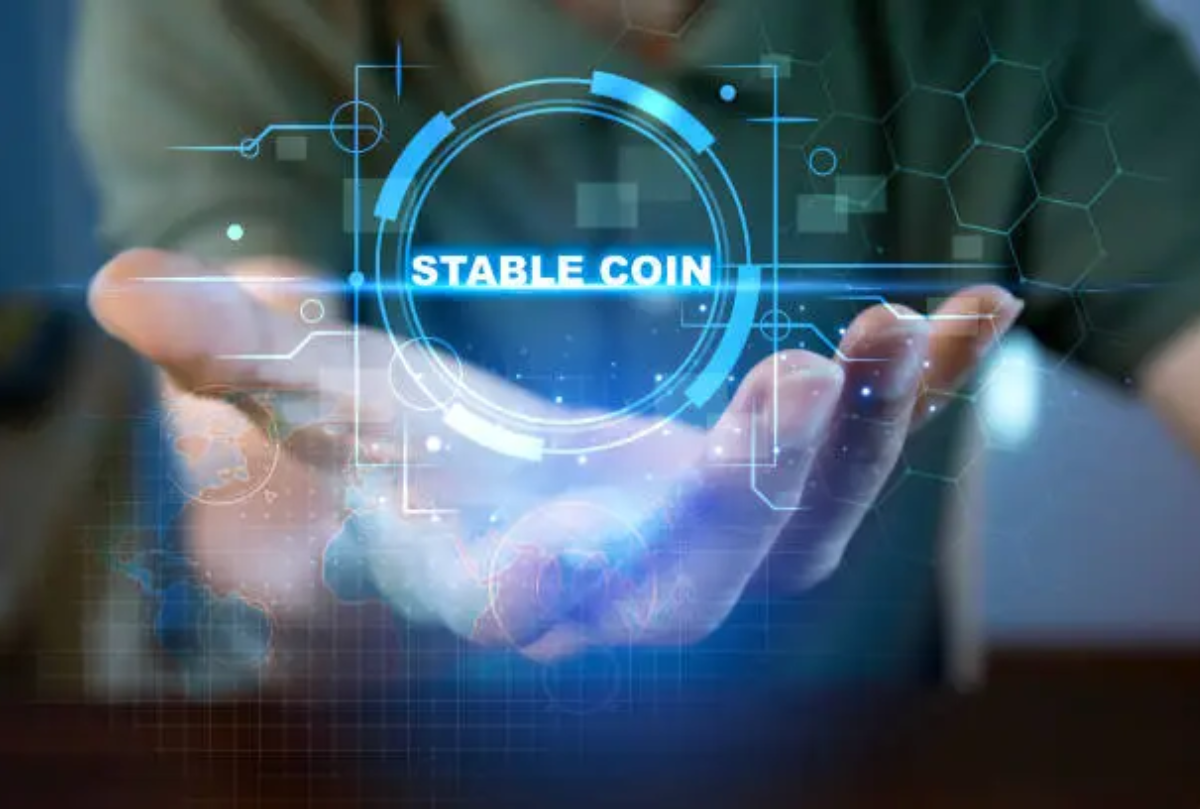
A new partnership involving Visa, M-PESA Africa and Onafriq is set to pilot the use of stablecoins for cross-border mobile money transactions in the Democratic Republic of the Congo. The initiative aims to transform international payments by using blockchain-backed digital currency to facilitate faster and more affordable cross-border settlements.
The pilot is designed to address longstanding challenges associated with traditional banking corridors, which are often characterized by high transaction costs, lengthy processing times and limited accessibility. By leveraging stablecoin technology, the partners intend to enable near-instant international transfers while reducing the cost of sending and receiving money across borders.
The collaboration represents a significant step forward for Africa’s rapidly evolving fintech ecosystem, as financial institutions and payment providers increasingly explore blockchain technology to improve the efficiency of digital payments. The project is also expected to strengthen interoperability between mobile money platforms and the global financial system, making cross-border transactions more seamless for individuals and businesses.
The Democratic Republic of the Congo has been selected as the initial testing ground for the pilot, positioning the country at the forefront of innovation in digital payments. If successful, the initiative could demonstrate the potential of stablecoin-powered remittances to expand financial inclusion, enhance cross-border commerce and accelerate the integration of Africa’s mobile money ecosystem with global payment networks.
The pilot underscores the growing interest among global payment companies and African fintech firms in using blockchain-based solutions to modernize international money transfers. Industry observers see the initiative as a potential model for future digital-dollar remittance services across the continent, where mobile money continues to play a central role in financial inclusion and economic activity.