Ghana Gives MTN 30 Days to Improve Network Services in Adaklu
George disclosed that work was ongoing at approximately 13 locations, while plans were underway to facilitate the deployment of an additional major telecommunications mast by MTN to improve network coverage in the area.
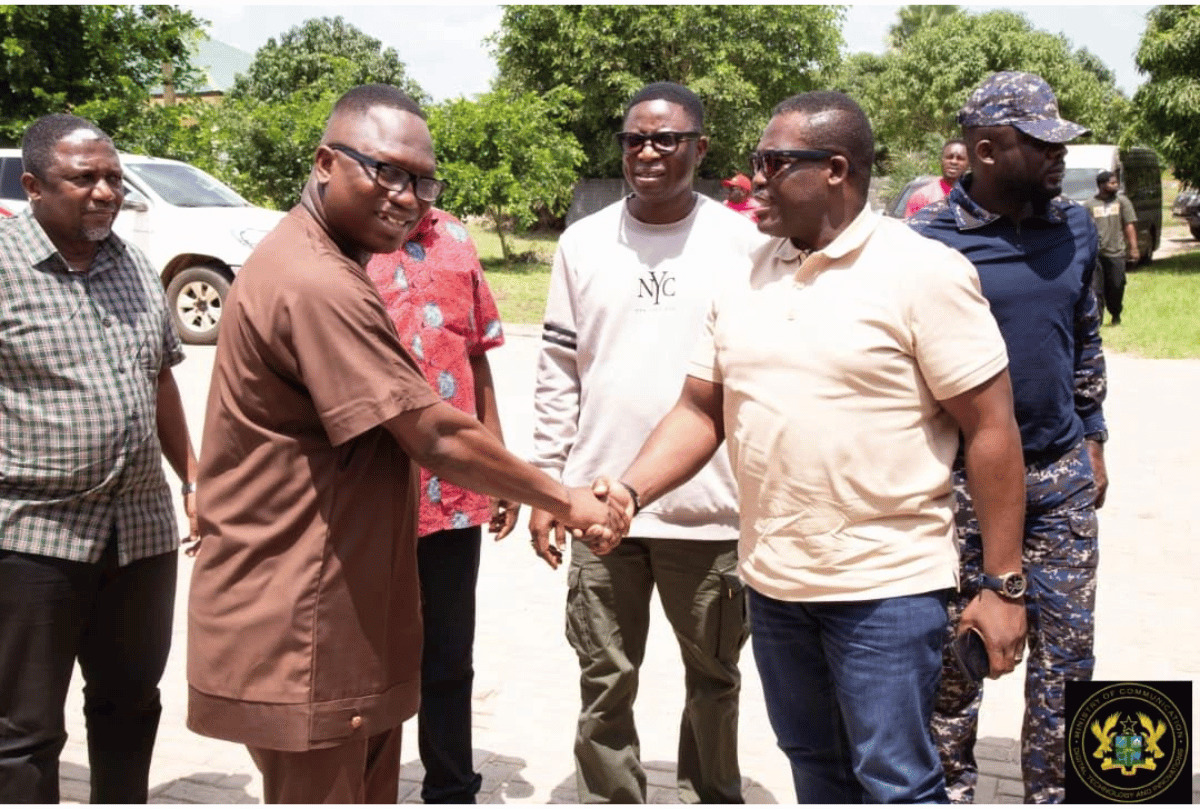
Ghana’s Minister for Communication, Digital Technology and Innovations , Samuel Nartey George, has given a 30-day deadline for improved telecommunications services in Adaklu in the Volta Region, as the government steps up efforts to address persistent network challenges in the area.
The minister gave the assurance on Friday, October 16, 2026, during a visit to the Adaklu Traditional Area alongside District Chief Executive Jerry Yaw Ameko. The visit formed part of the ministry’s nationwide tour of telecommunications facilities and digital skills training centres.
George disclosed that work was ongoing at approximately 13 locations, while plans were underway to facilitate the deployment of an additional major telecommunications mast by MTN to improve network coverage in the area.
During the visit, the minister inspected the former Rural Telephony Project (RTP) site at Adaklu-Blidokope, the One Million Coders Programme (OMCP) centre at Adaklu-Waya, and new RTP sites at Adaklu-Dawanu and Adaklu-Kpetsu.
He said the ministry, working through the Ghana Investment Fund for Electronic Communications (GIFEC) and the National Communications Authority (NCA), would monitor progress to ensure the facilities are completed on schedule and put to effective use.
The Paramount Chief of the Adaklu Traditional Area, Togbega Gbogbi Atsa V, and other traditional leaders welcomed the intervention, highlighting the difficulties residents face due to poor network connectivity. They also called on the government to extend similar interventions to other underserved communities.
George further expressed condolences to the people of Adaklu following the death of one of their prominent sons and assured traditional authorities of the government’s support.
The visit is part of Ghana’s broader efforts to expand rural telecommunications infrastructure, strengthen digital skills development and bridge the country’s digital divide.